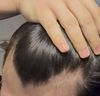
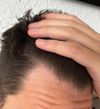
The conversation is about seeking hairline regrowth results using RU58841, dermarolling, and Nizoral. The user cannot tolerate finasteride and finds minoxidil ineffective.
Dr. Bloxham's 9-month update on FUT scar revision with Verteporfin shows promising results. Excitement is high for FUE, which appears highly effective based on Dr. Barghouthi's findings.
Pyrilutamide, a new drug being tested to combat hair loss that has been found to perform comparably or better than finasteride and dutasteride in the initial 6 months of treatment with minimal reported side effects.
The user is using Finasteride gel and considering adding Redensyl to their routine, along with weekly microneedling, but is hesitant to use Minoxidil due to its initial shedding phase. They seek advice on the safety and ideal routine for combining these treatments.
Hair loss is linked to cellular physiology and the IGF-1 to TGF-B1 ratio, not just androgen sensitivity. The theory lacks evidence, while finasteride and minoxidil are effective treatments.
The conversation discusses hair regrowth using dissolvable microneedles loaded with rapamycin and epigallocatechin gallate nanoparticles. Specific treatments mentioned include Minoxidil, finasteride, and RU58841.
Finasteride helped OP recover their hairline, and they did not use minoxidil. OP experienced significant hair regrowth with finasteride, similar to their father's experience.
The conversation is about considering pyrilutamide 1% as an alternative treatment for hair loss due to intolerance to 5-alpha reductase inhibitors. Some users suggest it might be effective, while others view it as a temporary solution.
An 18-year-old is maintaining a stable hairline using Minoxidil, topical finasteride (Fynzur), and Dermastamp, and is considering adding oral finasteride for prevention. They seek advice on whether starting oral finasteride early is necessary given their family history and current regimen.
A user shared their progress using 1.1mg oral finasteride and 3mg oral minoxidil since January 2024, noting significant improvement without side effects. They previously had an allergic reaction to topical treatments.
A 21-year-old male diagnosed with telogen effluvium and male pattern baldness started taking finasteride, which initially slowed hair shedding and slightly thickened hair. The doctor recommended iron and vitamin D supplements, and the user is considering minoxidil but wants to stabilize shedding first.
The user started shedding hair after beginning testosterone replacement therapy (TRT) despite using dutasteride and minoxidil, and added RU58841 to address the shedding. They reduced their TRT dose and hope RU58841 will stop the shedding quickly.
The user is considering adding RU58841 to liquid minoxidil without propylene glycol (PG) due to an allergy and is asking if this combination is effective and if PG is necessary. They have been using finasteride and minoxidil foam, plan to use RU58841 with liquid minoxidil in the evening, and continue finasteride.
Tazarotene's potential to enhance Minoxidil conversion, similar to Tretinoin, is questioned. Users discuss the lack of information and seek further details.
The user is considering starting Minoxidil and is looking for a topical solution to combine with it. They are confused about which product to prioritize among options like RU58841, Pyrilutamide, FinaTopic, and DutaTopic.
Redensyl, which is a topical alternative to Minoxidil for hair loss. It may have advantages such as not making the hair greasy and lasting longer after discontinuing use than minoxidil. There are some positive reports from users, but also some negative ones, so it's unclear how effective this treatment will be in comparison to Minoxidil and other treatments like Finasteride or RU58841.
A user started using RU58841 before finasteride for hair loss and is now considering stopping RU58841 while continuing finasteride. They are asking if others have maintained hair gains from RU58841 after stopping it, but one response suggests it's risky to stop RU58841 if they want to keep their hair gains.
The user transitioned from finasteride to RU58841 and oral minoxidil to maintain hair gains while avoiding systemic DHT suppression. They have not experienced increased shedding or side effects since stopping finasteride and hope RU58841 will preserve their hair.
The user is experiencing hair loss and has been using RU58841 but is considering pyrilutamide and minoxidil, avoiding finasteride due to side effects. Another user suggests finasteride or dutasteride as essential, possibly in topical form, while dismissing saw palmetto as ineffective.
PP405 shows promise in activating dormant hair follicles and increasing hair counts but lacks detailed efficacy data compared to minoxidil and finasteride. Opinions are mixed, with some optimism and skepticism about its effectiveness.
Orient Bio is developing a PLGA formulated version of Cyclosporine A to stimulate hair growth without its immunosuppressant effects. Users discuss various treatments like Clascoterone, PP405, minoxidil, and tacrolimus, expressing hope for new developments and sharing personal experiences with these treatments.
The user switched from finasteride and topical minoxidil to dutasteride and oral minoxidil, questioning the effectiveness and safety of continuing RU58841. They experienced hair loss improvement initially but are now considering stopping RU58841 due to cost and safety concerns.
A user discusses using tazarotene to enhance minoxidil's effectiveness for hair regrowth, believing it will make a significant difference. Others caution about potential risks of retinoids accelerating hair loss in some individuals.
A 25-year-old male experienced significant hair regrowth after one year of using 0.5mg daily finasteride, with plans to add 1.25mg oral minoxidil and microneedling for further improvement. He also uses Nizoral shampoo weekly and reports no current side effects.
PP405 and GT20029 are new hair loss treatments with different mechanisms from traditional options like Minoxidil and Finasteride. PP405 targets hair follicle stem cells to reactivate growth, while GT20029 works as an androgen receptor deleter, both requiring ongoing use for effectiveness.
Finasteride is the most effective treatment for reducing DHT and addressing hair loss compared to fish oil and saw palmetto. Topical treatments like RU58841 and minoxidil are also discussed, but finasteride remains the most effective option.
The post discusses using a topical tincture containing zinc, azelaic acid, and other ingredients to inhibit 5 alpha-reductase activity for treating hair loss. The user plans to try this natural alternative before using finasteride or RU58841.
The user experienced beard loss from finasteride and RU58841 while managing hair loss. They plan to increase RU58841 dose, use a dermaroller, and consider oral minoxidil to improve hair growth without affecting their beard.