User discusses group buy for finerenone, a third-gen mineralocorticoid antagonist for hair loss treatment. Finerenone inhibits TGFb, NOX, and ROS, and improves renal and cardiac function; topical dose should be no more than 10mg per day.
The user has been using various hair loss treatments, including dutasteride, oral minoxidil, finasteride, RU58841, and dermarolling, but feels they may have lost hair and is considering a hair transplant. They are advised to stick to one treatment for 6-12 months to see results, as frequent changes may hinder progress.
This post and conversation are about the molecular mechanisms triggered by microneedling, specifically its effects on inflammation, tissue remodeling, epithelial proliferation, differentiation, and collagen synthesis. The discussion highlights the potential benefits of microneedling for hair loss treatment.
The user discusses their hair loss experience, exploring various hypotheses including thyroid levels, vitamin D, DHEA, nutritional deficiency, diabetes, seborrheic dermatitis, lack of nutrition to hair follicles, chronic inflammation, female pattern hair loss causes, cortisol, and prolactin levels. They are currently using finasteride, beta-sitosterol, and have tried topical dutasteride and microneedling therapy.
A sugar gel called 2-deoxy-D-ribose (2dDR) shows potential for promoting hair regrowth by increasing blood supply to hair follicles, similar to Minoxidil, but its effectiveness in humans is unproven. It may benefit those who don't tolerate Minoxidil, but it is not a replacement for treatments like Finasteride or RU58841.
The user added RU58841 to their finasteride and minoxidil routine, noticing significant improvement in hairline after 52 days. Some users warn about potential side effects of RU58841, while others express curiosity and congratulate the progress.
The user has experienced limited hair regrowth using 1mg oral finasteride, topical minoxidil foam, and occasional dermarolling since August 2023. They are considering switching to dutasteride, adding oral minoxidil 2.5 mg, and RU58841 to improve results.
2-deoxy-d-ribose hair serum is now available in Australia, potentially aiding hair loss by promoting new blood vessel growth. Users are discussing its potential effectiveness compared to other treatments like Minoxidil, finasteride, and RU58841.
Dairy may contain DHT precursors that could affect hair loss and prostate health, with some users noting reduced hair shedding after eliminating dairy. Individual responses to dairy and DHT blockers vary, with some attributing hair health to diet changes and others seeing no impact.
The conclusion of the conversation is that the user, djamezz, has experienced significant regrowth and improved density in their hairline by using treatments such as RU (RU58841), dut (dutasteride), and Inkey's Caffeine Scalp treatment. They are satisfied with their progress and do not plan to cut off their hair.
Rotenone, a natural plant extract, may promote hair growth by increasing LDH activity and blocking MPC in the scalp, but it carries risks due to its toxicity. The suggested formulation includes Barbasco extract, DMSO, propylene glycol or PEG-400, ethanol, and a carrier oil.
Blocking DHT is not a cure for hair loss; instead, altering how scalp follicles respond to DHT might be more effective. Current treatments like topical finasteride and minoxidil are temporary solutions, and future approaches may involve gene therapy and bioengineering to change follicle behavior.
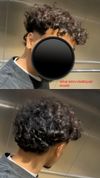
The conversation is about a person's one-year progress using finasteride and minoxidil for hair loss, with intermittent use of RU58841, showing improved hair quality, density, and thickness without side effects. Users complimented the improved appearance and suggested the longer hair also enhanced their look.
The conversation is about finding a reliable Chinese source for pyrilutamide or RU58841, ideally with a third-party Certificate of Analysis from Janoshik Analytical. The user is seeking recommendations for these hair loss treatments.
The conversation discusses the use of RU58841, a non-FDA approved research chemical for hair loss, with mixed opinions on its safety and effectiveness. Some users are willing to try it as a last resort after other treatments like Minoxidil and Finasteride failed, while others express concerns about potential long-term side effects and lack of official research.
The user was using 1mg finasteride daily and oral minoxidil 2.5mg daily for two years, then added RU58841 to their routine two months ago and is asking for opinions on any changes in hair growth. They provided progress pictures without dermarolling and maintained consistent lighting for comparison.
A user ingested RU58841 orally and experienced severe heart and breathing issues, requiring emergency medical assistance. They concluded that MV supplements is a legitimate supplier but warned of the serious side effects.
Minoxidil's effectiveness varies due to differences in sulfotransferase enzyme levels in the scalp, affecting people with conditions like ASD, liver disease, and androgenic alopecia. Treatments like topical tretinoin, microneedling, and using minoxidil sulfate instead of regular minoxidil can improve results for those with low enzyme levels.
The conversation discusses purchasing RU58841 for hair loss treatment, with recommendations for buying from Lyphar Biotech and Carolina Chemicals. It suggests storing RU58841 in the fridge.
The user achieved impressive hair regrowth using 1mg finasteride and topical minoxidil, and is now adding dutasteride due to recent diffuse thinning. They experienced initial side effects with finasteride but no longer have issues.
The conversation is about a female's difficulty in obtaining a prescription for a DHT blocker other than Spironolactone for hair loss. She is seeking advice on the severity of her condition and discussing specific treatments like Minoxidil, Finasteride, and RU58841.
PP405 is a safer alternative to JXL069 for hair loss treatment because it penetrates the skin effectively and degrades in the blood, avoiding systemic toxicity. JXL069, when forced into the body, can cause dangerous side effects like lactic acidosis due to its inability to degrade safely.
The user has been using dutasteride, RU58841, and minoxidil for hair loss, experiencing some side effects and mixed results, with RU58841 notably reducing scalp itch. Despite extensive treatment, the user has maintained hair but struggles with hairline thickening.
White rice may lower DHT and potentially cause symptoms similar to post-finasteride syndrome. The user experienced muscle wasting, depression, and other symptoms after consuming large amounts of white rice.