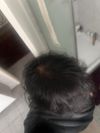
OP experienced significant hair regrowth after recovering from iron deficiency anemia and starting minoxidil. They suspect anemia contributed more to their hair loss than androgenetic alopecia (AGA).
Topical Minoxidil and RU58841 can make hair look brittle and thin, possibly due to the propylene glycol in their solutions. Some users experience side effects like heart palpitations with RU58841, while others have no issues.
Hair loss causing distress during physical interaction; treatment for a year not effective. Options discussed: accept new normal or explore other treatments.
A female experienced hair loss due to low iron and an undiagnosed thyroid issue, specifically Hashimoto's, and saw improvement after starting thyroid medication, iron supplements, and making lifestyle changes. She emphasizes the importance of addressing the root cause and shares her journey to regrowth and emotional recovery.
The user has been on finasteride for 8 years to treat hair loss and is experiencing obsessive thoughts about balding. They discuss the psychological impact of hair loss and the different ways people on hair loss forums cope, either by shaving their heads or seeking treatments.
A female with male-pattern hair loss (AGA) is seeking help after unsuccessful treatments with spironolactone and supplements, and is considering oral minoxidil and finasteride despite concerns about medication side effects. She has ruled out hormonal birth control and PRP/PRFM, and is looking into further medical advice due to abnormal lab results.
A 20-year-old is experiencing hair loss and is using finasteride, ketoconazole, and topical minoxidil. They suspect retrograde alopecia due to hair loss on the sides and nape, despite noticing some hair thickening on top.
Scalp sunburns can cause permanent hair loss, so wearing UPF hats is essential. Tretinoin and Tacrolimus users should be cautious of increased photosensitivity and potential scalp issues.
The clinic diagnosed the user with NW3 and AGA, noting thinning hair despite using finasteride for 3 years, and suggested PRP and Mesotherapy before considering a transplant. The user questions the necessity of these treatments without confirming retrograde alopecia and its treatability.
A user (seblt) who has had side effects from finasteride, minoxidil and RU58841 but is now trying pyrilutamide as a last resort, with other users providing advice and support. They have already seen some baby hairs growing after 10-14 days of treatment and will provide updates in 1-2 weeks.
Stopping RU58841 may result in losing only the hair gained from it, unlike stopping Minoxidil, which can lead to losing more hair. The discussion compares the dependency effects of RU58841 and Minoxidil on hair.
The user experienced side effects from various hair loss treatments, including RU58841, finasteride, and dutasteride. They are uncertain about what treatment to try next.
A 17-year-old is frustrated with hair thinning and receding temples, seeking advice after a dermatologist dismissed concerns. Suggestions include starting Minoxidil for regrowth and considering Finasteride if androgenetic alopecia is suspected.
The user is expressing an obsession with hair loss and spends all their time researching and discussing it. Other users suggest seeking therapy and focusing on other aspects of life.
The individual is experiencing hair thinning primarily at the front/middle of their scalp and is seeking to identify the type of hair loss they have. They already use treatments like oral Minoxidil, topical Finasteride, Tretinoin gel, dermarolling, and various oils and shampoos.
The user experienced significant hair loss after using RU58841 for a week and is seeking advice on recovery. They previously had side effects from finasteride and dutasteride.
A humorous discussion about a newborn's hair loss, jokingly suggesting treatments like Minoxidil, finasteride, and various other hair loss remedies. Participants humorously debate extreme measures, including shaving or using a "nuclear stack" of treatments.
Social media spreads misinformation about hair loss, often promoting unproven treatments like diet changes. Effective treatments like Minoxidil, finasteride, and RU58841 are overlooked.
A 25-year-old woman has been losing hair for 10 years despite normal thyroid, hormone levels, and B12 supplementation. She has used Minoxidil with limited success and is considering hair transplants, Propecia, or shaving her head and wearing wigs.
A female user discusses hair loss possibly caused by wearing a hijab, considering treatments like derma stamping, hair serum, Nizoral shampoo, rosemary/castor oil, and possibly a hair transplant. Others suggest traction alopecia from hijab use and recommend consulting a dermatologist, with treatments like spironolactone and minoxidil.
Prolactin and cortisol are identified as key factors in hair loss, with stress hormones impacting hair shedding. Finasteride and minoxidil are effective treatments, while DHT's role and individual sensitivity are significant factors.
A 21-year-old male diagnosed with telogen effluvium and male pattern baldness started oral finasteride, which initially slowed hair loss and slightly thickened hair, but experienced increased shedding after surgery. The doctor recommended iron and vitamin D supplements, and the user is seeking additional advice.
User experienced hair loss and tried various treatments, including Minoxidil, Finasteride, and Spironolactone. They face a dilemma between continuing treatments for hair regrowth and having a therapy cat, as Minoxidil is toxic to cats.
The emotional impact of hair loss and the risks associated with common treatments such as finasteride, dutasteride, minoxidil, RU58841, and Fluridil. People discussed their personal experiences with these treatments, including potential side effects and lowered fertility. Hair transplants were also mentioned as a possible solution.
A 25-year-old male experienced significant hair loss due to telogen effluvium and androgenetic alopecia. He began using finasteride, minoxidil, and vitamins, seeing some regrowth but remains worried about hair density.
A user is struggling with hair loss at 17 and has been using finasteride for 5 months and minoxidil for 11 months without seeing regrowth. Other users encourage continuing treatment, sharing their own experiences with finasteride, minoxidil, and dermarolling, and emphasizing patience and acceptance.
A 24-year-old noticed hair thinning over 4-6 years and is seeking advice on whether it can be salvaged. Treatments mentioned include Minoxidil, finasteride, and RU58841.
A 19-year-old is experiencing hair thinning and considering using RU58841 alongside minoxidil, which initially worked but lost effectiveness. Others advise caution, suggesting safer alternatives like topical finasteride and consulting a doctor before using unapproved treatments like RU58841.