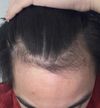
The user shared progress after two months of using finasteride, serioxyl, and NOOANCE casque Pro for alopecia. They are documenting their hair loss treatment journey.
Hair loss is causing distress and self-esteem issues, with discussions on treatments like finasteride, minoxidil, and hair transplants. Some suggest topical treatments or lifestyle changes, while others stress the importance of confidence and self-acceptance.
The user is allergic to minoxidil and plans to try Redensyl hair serum and derma rolling for hair regrowth. They cannot start finasteride until age 18.
A user experienced sleep paralysis after starting finasteride and is seeking others' experiences. Another user suggests finasteride might affect neurosteroids, potentially altering sleep patterns.
A 35-year-old male experiences rapid hair loss on his head and body despite normal test results for testosterone, thyroid, and vitamins. He previously used topical minoxidil and retinol, and doctors have been consulted without finding a clear cause.
Hair loss treatments discussed include microneedling, minoxidil, tretinoin, finasteride, dutasteride, pumpkin seeds, saw palmetto, and scalp massage. The consensus is that finasteride or dutasteride is necessary for significant regrowth, while other methods may only slow hair loss.
A 78-year-old man regrew hair after suffering burns, suggesting that injury-induced healing processes might trigger hair growth. Microneedling and other treatments like minoxidil and finasteride are discussed as potential methods to stimulate similar regrowth.
Stopping oral minoxidil after five days due to heart issues likely won't cause noticeable shedding or permanent hair loss. The user is concerned and seeks reassurance.
Red light therapy for hair loss is controversial, with mixed results reported. Its effectiveness may depend on device quality and proper wavelength, and it is often used with minoxidil and finasteride.
The user experienced severe scalp itching after using RU58841 and ketoconazole shampoo, despite trying moisturizing treatments. They suspect the issue is related to the propylene glycol in the vehicle and are seeking alternatives.
Hypoxia may enhance hair growth by stimulating stem cells, but it could also risk fibrosis. Some users humorously discuss extreme methods like choking while using minoxidil, highlighting the need for new treatments.
Lichen Planopilaris (LPP) is an autoimmune condition causing permanent hair loss and fibrosis, often misdiagnosed. Treatments include pioglitazone, topical corticosteroids, anti-inflammatory medication, and Jak inhibitors.
Microneedling for hair regrowth, using a 1.0 dermastamp, is discussed with a focus on achieving slight redness without bleeding. Minoxidil is mentioned as an effective treatment when used after dermastamping.
The user is experiencing increased hair loss 9 months into a treatment with topical finasteride and minoxidil, along with supplements, and is questioning if this is a temporary phase or if the treatment is ineffective. Opinions vary, with some suggesting shedding is normal, while others debate the effectiveness of topical treatments and the impact of supplements.
A user with mild psoriasis on the scalp is using finasteride, topical minoxidil, and dermarolling for hair loss but plans to stop minoxidil on the crown due to psoriasis aggravation. Suggestions include switching to a lipid-based minoxidil, using Ketoconazole shampoo, or trying oral minoxidil.
Redensyl is being compared to Minoxidil for hair loss treatment. Users discuss the effectiveness of Redensyl versus Minoxidil, with no clear consensus on which is better.
Exploring the effectiveness of redensyl, a hair loss treatment, compared to minoxidil and finasteride. People shared experiences using redensyl and products containing it, such as The Ordinary Hair Serum.
The user is experiencing one-sided diffuse thinning and has been using finasteride and liquid minoxidil for 4-5 years with minimal results. They are considering whether to save for a hair transplant or address scalp sensitivity and irritation first.
The user shared progress pictures of hair growth after switching to oral minoxidil and finasteride, noting improved lighting in the photos. They experienced a faster heart rate for a few weeks and a slight decrease in libido as side effects.
A 17-year-old is experiencing rapid hair loss from NW1.5 to NW3 in six months and feels dermatologists are unhelpful. They are using Minoxidil (Rogaine) and seeking advice on application.
The person is experiencing sudden hair loss for six months and treatments like dutasteride, minoxidil, and vitamins are not working. Another person suggests the hair loss might not be androgenetic alopecia but could be telogen effluvium or an inflammatory condition.
Managing blood pressure can help with hair loss, as seen with the use of medications like Cialis and oral minoxidil, which improved hairline and blood pressure. Lifestyle changes, such as reducing stimulant use and adjusting testosterone replacement therapy (TRT) doses, also play a role in addressing hair loss and overall health.
The conversation is about someone experiencing a lot of bleeding from using a 1.0mm microneedling device for hair loss treatment and asking if it's normal. Various users suggest that the bleeding is excessive and recommend using shorter needles or less pressure, while others share their own microneedling practices with different needle lengths and no bleeding.
The user experienced a sudden decrease in hair density after starting alfatradiol while already using finasteride. Another user mentioned that initial shedding can occur with hair loss treatments, but it may not last long.
A 20-year-old male experienced mental fog after resuming topical minoxidil for hair loss, questioning if it's due to interactions with antidepressants. Suggestions included trying a lower concentration of minoxidil or alternatives like copper peptides.
The user is experiencing hair loss, initially diagnosed as Telogen Effluvium due to stress, but is concerned it might be Androgenetic Alopecia (AGA). A suggestion was made to consider using Minoxidil or Finasteride if the condition worsens.
A 39-year-old woman noticed hair thinning and found she has an iron deficiency, which may be linked to hair loss. Suggestions included seeing a dermatologist, using spironolactone, and minoxidil.
Topical minoxidil can cause increased body hair due to systemic absorption, varying by individual skin sensitivity. The user seeks experiences and solutions to prevent this side effect.
The conversation discusses the use of topical finasteride and minoxidil for hair loss and inquires about the effectiveness of adding RU58841. Participants share experiences and opinions on the potential benefits of including RU58841 in their treatment regimen.
The user is using RU58841, dutasteride, and minoxidil for hair loss, storing RU58841 in the fridge and applying it nightly. They report more baby hairs on the temples but are unsure if it's due to new growth or miniaturization, and seek advice on mixing and results from RU58841.