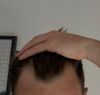
The user has been using finasteride, minoxidil, and a dermastamp for over four months and is asking if there is noticeable hair regrowth. They are seeking opinions on whether their hair will look good when grown out.
After one month of treatment with finasteride, minoxidil, dermarolling, ketoconazole shampoo, hair vitamins, and vitamin D3, the user reports minimal visual progress and increased shedding, but notes stronger body hair and light fuzz on eyebrows. The user is inquiring about potential hair regrowth.
Prolonged use of topical minoxidil and finasteride can lead to neuroendocrine and autonomic dysfunction, causing severe sensitivity and side effects. Recovery involves avoiding these treatments, supporting neurosteroid recovery, calming the sympathetic system, and rebuilding scalp health naturally.
A user shared progress pictures showing significant hair regrowth after 134 days on oral finasteride and 59 days on topical minoxidil foam. They reported mild side effects initially but are now satisfied with the results.
A 21-year-old man shared his 2.5-year experience with hair loss treatments, including 1mg Propecia (finasteride) nightly, 12.5% Minoxidil once daily, 2% Nizoral shampoo 2-4 times a week, and later 5% Minoxidil once daily. He experienced minor side effects like watery semen and itchy scalp, and while he's seen fluctuations in hair growth, he's generally happy with the results and is considering experimental treatments like CB-03-01 and RU58841.
A 25-year-old is experiencing hair loss since 2022, possibly linked to post-COVID effects, and is hesitant to use minoxidil or finasteride due to side effects. They have tried shampoos, vitamins, and scalp massages with limited success and are seeking natural solutions.
The conversation discusses hair regrowth efforts using minoxidil, microneedling, ketoconazole shampoo, and saw palmetto shampoo, with suggestions to add finasteride or dutasteride for better results. Some users notice slight improvement, but many recommend starting finasteride or considering a hair transplant for significant progress.
A 22-year-old male experiencing diffuse thinning and frizzy hair has been using finasteride for nine months and is seeking advice on improving hair quality. Suggestions include using conditioners, biotin, rosemary oil, and addressing scalp conditions like seborrheic dermatitis or psoriasis, while finasteride may help reverse miniaturization and improve hair health.
A 41-year-old man experienced significant hair regrowth using topical finasteride (0.025%), minoxidil, microneedling every two weeks, and occasional Nizoral 2% shampoo. He advises against using creatine due to personal experience with increased hair shedding.
Diffuse thinning is worse than a receding hairline as it affects the entire scalp, complicating styling and hair transplants. Treatments like finasteride, minoxidil, dutasteride, and RU58841 are mentioned, with some users noting improved hair density.
The user has been using a regimen including finasteride, minoxidil, various oils, and supplements for hair regrowth over 9–10 months. They observed fine hairs returning and a change in scalp texture after adding cinnamon oil, questioning if this change is a positive sign.
A user claimed significant hair regrowth over 18 months using minoxidil, finasteride, ketoconazole shampoo, dermastamping, and supplements without a transplant. Commenters were skeptical, suspecting a hair system might be involved.
A new hair loss treatment theory beyond minoxidil and finasteride is proposed, causing mixed reactions in the community, with some members eager to explore and support it, while others call for more research and evidence.
The user has been using finasteride and topical minoxidil for 15 months but is experiencing constant hair shedding, similar to telogen effluvium, despite stable widow peaks. They have checked for vitamin and mineral deficiencies, consulted specialists, and are considering further investigation like a scalp biopsy.
A 19-year-old is experiencing hair thinning and considering using RU58841 alongside minoxidil, which initially worked but lost effectiveness. Others advise caution, suggesting safer alternatives like topical finasteride and consulting a doctor before using unapproved treatments like RU58841.
A 38-year-old male is experiencing temple hair loss and is considering treatments like topical Finasteride and Minoxidil, despite concerns about side effects and shedding. He is also contemplating a hair transplant and seeking advice on additional shampoos or supplements.
The conversation discusses hair regrowth treatments, including stem cell exosomes, PRP, and PP405. Users question the effectiveness of the treatments and mention finasteride and minoxidil.
An 18-year-old is using topical minoxidil 5% and derma rolling weekly for hair regrowth after shaving their head, while also addressing vitamin D deficiency and thyroid imbalance. They are questioning if the changes observed are signs of regrowth.
The conversation is about a 29-year-old experiencing crown balding who has seen positive results after 2.5 months of using finasteride and once daily minoxidil. The community members agree that the treatment shows promising results.
A 60-year-old man experienced significant hair regrowth over four months using a topical solution with finasteride 0.3% and minoxidil 6%. The progress is impressive, especially given his 20-year history of a bald spot.
A user experienced hair thinning due to traction alopecia from using Murray's Beeswax and is considering treatments like minoxidil and finasteride to reverse the damage. Another user suggests consulting a hair specialist, as the hair may not regrow if scar tissue has formed.
A 39-year-old male has been using oral finasteride for 2 months and topical minoxidil 5% for 5 months, along with dermastamping and keto shampoo weekly, to address hair loss. He feels his hair is thicker overall but is concerned about a persistent bald spot.
Switching from finasteride to dutasteride led to significant hair thinning and receding for the user, despite using topical minoxidil daily. Many users suggest that shedding is common with dutasteride, but some recommend returning to finasteride if no improvement is seen after a year.
The user is considering a hair transplant but has started using finasteride and minoxidil, noticing initial improvements. They are unsure about the dosage and seek advice, while others suggest understanding treatments before opting for surgery.
The user is concerned about hair loss and is using treatments like dutasteride, microneedling, and topical finasteride, while considering adding RU58841. They are also using Minoxidil on the temples and are worried about testosterone-related hair loss.
A 27-year-old is experiencing hair thinning and receding, currently using finasteride and planning to start minoxidil. They seek advice on hairline treatment options, including styling, PRP, peptides, and micro-needling.
The conversation discusses the emotional impact of early hair loss in men, with many feeling isolated and self-conscious. Some users also mention the lack of awareness about potential treatments like Minoxidil and Finasteride.
The conversation is about personal routines to combat hair loss, including treatments like Minoxidil, Finasteride, RU58841, vitamins, and dermastamping. Specific methods vary, with some using daily topical applications, oral medications, and weekly procedures like dermarolling and special shampoos.