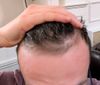
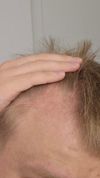
Hair loss treatments like finasteride, dutasteride, minoxidil, and RU58841. Users discuss "DHT itch" at receding hairlines and suggest using dutasteride or ketoconazole shampoo for relief.
The user switched from finasteride to dutasteride in January and noticed increased crown thinning, despite using minoxidil with rosemary, biotin, and castor oil. They are concerned about hair loss and considering visiting a clinic for further advice.
Diffuse thinning is worse than a receding hairline as it affects the entire scalp, complicating styling and hair transplants. Treatments like finasteride, minoxidil, dutasteride, and RU58841 are mentioned, with some users noting improved hair density.
A 43-year-old man regrets not starting finasteride earlier for his receding hairline, which has now progressed to NW3 with diffuse thinning. Other users share their experiences, highlighting the effectiveness of finasteride and hair transplants in managing hair loss, even in their 30s and 40s.
A user shared their positive experience using keratin hair thickening fibers to conceal a balding crown after six months on finasteride. Other users discussed various hair loss solutions, including minoxidil, dermarolling, and scalp micropigmentation.
A user is concerned about receding hairlines and considers using finasteride and minoxidil but is hesitant due to potential side effects. Others advise starting treatment early to prevent further hair loss, emphasizing that finasteride is generally safe and effective for prevention.
The user experienced worsening hair loss despite using oral minoxidil, finasteride, and topical minoxidil for nine months. They are considering switching to dutasteride and reducing ketoconazole shampoo due to its drying effects.
A user regrets not starting finasteride earlier for hair loss, noticing significant crown thinning by age 30. They have started using finasteride and are considering minoxidil for better hair regrowth.
The conversation humorously suggests using religious headwear to hide hair loss, mentioning Sikh turbans and Jewish kippahs. It also touches on cultural practices like circumcision and includes various jokes and comments about hair loss solutions.
The user has been on dutasteride for three years but is still experiencing hair recession and is considering adding finasteride. Suggestions include trying minoxidil, microneedling, or a hair transplant for further improvement.
The user is experiencing continued hair loss despite using minoxidil, finasteride, tretinoin, and microneedling. They are considering a hair transplant due to lack of response to current treatments.
The user has been on finasteride for 9 months and is unsure if it's effective, considering adding minoxidil or dutasteride. Other users suggest adding minoxidil for regrowth and discuss the pros and cons of oral versus topical treatments.
The user is seeking opinions on their hair loss, specifically the receding of their right temple. They are considering switching to Dutasteride but are unsure if it will help. Other users suggest that their hairline has improved with the use of Finasteride and Minoxidil. One user mentions using RU58841 to thicken their hairline.
Black individuals may embrace baldness better due to less contrast between hair and skin. Finasteride is suggested for hair loss management, and natural styles like buzz cuts are recommended.
Hair loss treatments, particularly using finasteride and minoxidil. The user has experienced positive results from taking finasteride with no side effects and suggests listening to the podcast of Spencer Kobren for more information on such treatments.
Minoxidil is applied beyond the crown, including the hairline and other areas, despite labels suggesting crown use only. Users report success with broader application, and some prefer oral minoxidil for convenience.
The user noticed receding hair at the temples and is considering starting finasteride and minoxidil to thicken the hairline. They plan to consult a doctor and begin treatment soon.
A 27-year-old is experiencing hair thinning and receding, currently using finasteride and planning to start minoxidil. They seek advice on hairline treatment options, including styling, PRP, peptides, and micro-needling.
Younger generations now view receding hairlines as baldness, increasing the use of treatments like minoxidil and finasteride. Social media and changing beauty standards have intensified focus on hairlines, altering perceptions of baldness.
A user is documenting their natural approach to treating a receding hairline using a dermastamp, essential oils (rosemary oil at 3% dilution with pumpkin seed oil), a multivitamin with vitamin D, and daily collagen shakes. They acknowledge the common recommendations of minoxidil and finasteride but prefer to test natural methods and share their results.
A user's success in treating his diffuse and crown hair loss with finasteride and minoxidil; other users sharing their experiences, both successful and unsuccessful, and the importance of research and listening to one's body when deciding on treatments.
A 30-year-old male is experiencing hair loss and is concerned about his receding hairline, seeking advice on his Norwood scale classification. He is apprehensive about using Minoxidil and finasteride as treatments.
The user is experiencing a receding hairline and is considering treatments. They are seeking advice on whether to use finasteride, minoxidil, or both for hair preservation and potential regrowth.
A 17-year-old is considering finasteride for a receding hairline and seeks advice. Suggestions include starting with low-dose finasteride, trying dermarolling and Minoxidil, and consulting a physician.
Switching from finasteride to dutasteride led to significant hair thinning and receding for the user, despite using topical minoxidil daily. Many users suggest that shedding is common with dutasteride, but some recommend returning to finasteride if no improvement is seen after a year.
A 33-year-old is considering switching from topical finasteride to oral finasteride due to application difficulties with long hair. They are concerned about potential shedding with oral finasteride and are seeking advice on dosage and whether their crown shows signs of thinning.
Users discussed using 0.5mg finasteride daily for hair loss, with some reporting reduced hair fall and regrowth, particularly in the crown area. One user noted significant improvement after eight months of use.
An 18-year-old started taking 1mg of finasteride daily to address receding temples and is concerned about whether they will need to increase the dose or switch to dutasteride in the future. Users discuss that finasteride can slow hair loss for many years, but it is not a permanent solution, and individual responses vary.
A user shared their 4.5-month progress using oral finasteride and topical minoxidil for hair loss, noting some perceived improvement in the crown area. Other users encouraged them to continue the treatment.