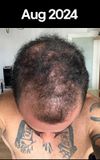
User with diffused thinning hair prefers receding temples, as hair transplant could fix it. Finasteride and minoxidil suggested to improve hair density.
The user experienced hair shedding after using finasteride and topical minoxidil since August 2024, and briefly adding oral minoxidil in early 2025. They suspect the shedding might be due to the oral minoxidil, a bad batch of finasteride, or a normal shedding cycle, and are also experiencing an itchy scalp and acne.
The user is trying alternative hair loss treatments like caffeine shampoo and dermarolling before considering minoxidil or other advanced treatments, and has noticed an increase in vellus hairs and some strong terminal hairs after two months of daily caffeine shampoo use. They plan to continue the treatment and document progress.
The user's hairline is receding despite using finasteride for 7-8 years and minoxidil for 1 year, with inconsistent usage. They are considering other treatments like microneedling.
The user is concerned about a recedinghairline and is seeking advice on whether it can be saved. Treatments like Minoxidil, finasteride, and RU58841 are discussed as potential options.
The user is experiencing hair loss with a recedinghairline and has started using minoxidil. They are concerned about increased hair shedding after discontinuing a previous lotion.
A 37-year-old with a recedinghairline started using finasteride and plans to add minoxidil, concerned that creatine and whey protein might accelerate hair loss. Another user suggests these supplements likely don't increase testosterone or cause hair loss, advising to monitor personal experience.
Female with PCOS experiences receding and thinning hair, wants dutasteride instead of spironolactone. Discusses desire to reduce DHT without losing libido.
A 19-year-old noticed hair thinning and mild recedinghairline, opting for a treatment regime excluding finasteride and minoxidil. The regime includes derma rolling, rosemary and coconut oil, a massage comb, a DHT-blocker shampoo, and vitamins B12 and Biotin.
A 28-year-old male is experiencing hairline recession despite his family having full heads of hair. Suggested treatments include finasteride, minoxidil, and ketoconazole 2% shampoo.
The user has been using dutasteride for 2 years and minoxidil for 1 year, but their hairline is still receding. Some users think the hairline has maintained or gained density, while others notice minor recession.
A user is concerned about recedinghairlines and considers using finasteride and minoxidil but is hesitant due to potential side effects. Others advise starting treatment early to prevent further hair loss, emphasizing that finasteride is generally safe and effective for prevention.
The user is experiencing hair loss with symptoms of recedinghairline, extreme shedding, and low density, possibly due to androgenic alopecia, diffuse thinning, retrograde alopecia, or telogen effluvium. They have used minoxidil and noticed changes in shedding patterns related to different water qualities and seborrheic dermatitis.
A 17-year-old is experiencing hair shedding and is concerned about a recedinghairline, using hair products like powder and sea salt spray. Advice given includes maintaining good nutrition, ensuring hair products don't build up, and considering further resources if worried.
The user's experience with hair loss in their twenties and thirties, how to fix a recedinghairline, treatments such as DHT, stress, bad sleep, Minoxidil, finasteride, and RU58841, and diet.
A user experiencing excessive hair shedding and a recedinghairline is questioning if low vitamin D levels could be the cause, despite levels being within the normal range. Replies suggest that while vitamin D deficiency can cause hair loss, it might not be the issue in this case.
Switching from finasteride to dutasteride led to significant hair thinning and receding for the user, despite using topical minoxidil daily. Many users suggest that shedding is common with dutasteride, but some recommend returning to finasteride if no improvement is seen after a year.
A 19-year-old is unsure if their hair is receding or just maturing and is seeking opinions before starting treatments like Minoxidil, finasteride, or RU58841. They shared recent and past photos to compare changes over a few months.
The user is considering starting minoxidil and finasteride for hair loss at Norwood 2 or 2.5. Another user suggests consulting a dermatologist and possibly using finasteride to prevent progression and minoxidil for regrowth, with dutasteride as an alternative.
A 22-year-old is using minoxidil for hair loss but is hesitant to start finasteride due to mixed advice and fear of side effects. They seek guidance on whether to begin finasteride despite concerns about potential permanent side effects.
Ronaldo's hairline remains sharp, while his brother's is receding. Opinions vary on whether Ronaldo uses treatments like finasteride or has had hair transplants, with some attributing his hairline to genetics and others to possible medical interventions.
A user is considering using Amazon Clinics for a hair loss treatment consultation to get finasteride for a recedinghairline, noting it's cheaper than other options. Another user confirms that finasteride is not too expensive and suggests going for the cheapest option since it's a lifelong treatment.
A female user is experiencing heavy hair shedding and receding temples, possibly due to low ferritin levels. She is using oral minoxidil, iron supplements, and ketoconazole shampoo, and is hesitant to start spironolactone.
An 18-year-old male is experiencing significant hair shedding, particularly from the back of his head, despite normal blood test results except for slightly low vitamin D. A dermatologist prescribed minoxidil for receding temples, but the cause of the shedding remains unclear.
A user's progress with their hair loss treatment, which includes finasteride and nizoral, as well as the potential for using minoxidil; other users providing advice based on their own experiences; and others discussing how buzz cuts can make diffuse thinning look worse than it is.
A 24-year-old male started using finasteride and minoxidil for hair loss, noticing reduced hair fall but continued temple and frontal recession. He uses both oral and topical minoxidil, biotin, vitamin D, and coal tar shampoo, and experiences rare heart palpitations.
A 30-year-old with a family history of recedinghairlines is considering starting finasteride due to gradual hairline recession. They are seeking advice on whether to begin treatment or if they are worrying unnecessarily.
A 22-year-old is concerned about a recedinghairline and has been using minoxidil for 5 months without seeing new growth. Suggestions include continuing minoxidil for up to a year, considering finasteride, and possibly a hair transplant.
A 26-year-old African American male is experiencing hairline recession and thinning despite using 0.5mg finasteride daily and topical minoxidil. He is considering increasing finasteride dosage, returning to twice-daily minoxidil, or switching to dutasteride for better results.
The user has been using oral finasteride, oral minoxidil, topical minoxidil, and microneedling to address hair loss but continues to experience recession after 8 months. Suggestions include being patient as treatments can take 12-18 months to show effects, considering a switch to dutasteride, and consulting a dermatologist for potential underlying scalp conditions.