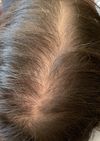
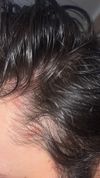
Hair regrowth after 13 weeks using topical minoxidil, oral finasteride, peptide shampoo, serum, and a red light hat. Some growth is attributed to a recent hair transplant.
Concerns about finasteride affecting sperm quality and embryo abnormalities during IVF. The user plans to stop finasteride for 6 months and use minoxidil, microneedling, a red light cap, and saw palmetto shampoo to manage hair loss.
A user shared their boyfriend's hair progress after using topical minoxidil 5%, oral finasteride 1 mg, supplements, rosemary scalp pre-wash, ketoconazole shampoo, red light therapy, and PRP sessions. The user plans to start dermarolling in January and has noticed significant improvement in hair density.
The user did not respond to minoxidil and is considering using tretinoin to improve results. They also explored finasteride, microneedling, adapalene, red light therapy, and oral minoxidil as potential treatments.
Significant hair regrowth was achieved using a topical combination of 0.3% finasteride and 6% minoxidil, with weekly dermastamping and ketoconazole shampoo, without side effects. Others suggested additional treatments like red light therapy and PRP.
Using a dermaroller can enhance hair regrowth, especially when combined with minoxidil, and is recommended at depths of 0.75-1.5mm weekly. Microneedling boosts absorption and blood flow, and red light therapy is also being considered for hair growth.
A 23-year-old male experienced significant hair improvement over 9 months using dutasteride, minoxidil, finasteride, PRP, and red light therapy, with no side effects. He plans to continue treatment for 6 more months before deciding on a hair transplant.
The user regained hair and reduced forehead size using a routine of 1mg finasteride, 5mg minoxidil, topical minoxidil twice daily, tretinoin before minoxidil, derma stamping weekly, red light therapy daily, and ketoconazole shampoo thrice weekly. They experienced initial side effects with finasteride but adjusted the dosage over time.
The user has been dealing with hair loss since middle school and has tried various treatments like mesotherapy, PRP, and red light therapy without success. Currently, they use minoxidil, finasteride, and dutasteride but are considering a hair transplant due to limited improvement.
The user is seeking alternatives to Minoxidil for hair growth, currently using 0.1% topical finasteride and 2% ketoconazole shampoo. Suggestions include microneedling, red light therapy, rosemary oil, and other topical treatments like cetirizine, Stemoxydine, and Latanoprost.
The user is experiencing scalp irritation and hair thinning, possibly due to stress, with red patches on the face and dry skin. They are considering seeing a dermatologist and have used tea tree and rosemary oil.
The user has been using finasteride, topical minoxidil, microneedling, red light therapy, ketoconazole shampoo, vitamin supplements, and scalp massages for hair loss since February 2025. They report stronger, thicker hair but are experiencing shedding and are considering increasing finasteride dosage or adding oral minoxidil.
The user has been using finasteride, minoxidil, a dermastamp, and red light therapy for six months with no visible improvement since the three-month mark. Other users noted improvement, particularly in the left temple area, and encouraged the user to continue.
The conversation is about long-term finasteride use for hair loss, with users discussing periods of improvement and worsening, and considering switching to dutasteride. Other treatments mentioned include minoxidil, red light therapy, microneedling, and scalp massaging.
A 31-year-old male experiencing hair thinning since age 25-26 uses minoxidil, finasteride, a red laser cap, and microneedling to promote hair growth. Users suggest reducing microneedling frequency to once a week to avoid damaging hair follicles.
The user has been using a Hims 4-in-1 spray with finasteride and minoxidil daily for 9 months, along with microneedling and red light therapy, and is considering trying new hair serums. Progress is slow, but there is hope for hair regrowth.
The user has been using dutasteride, minoxidil, and RU58841 for two years but continues to experience excessive hair shedding, despite also taking various supplements and trying other treatments like red light therapy. They are seeking advice and sharing experiences with others facing similar hair loss challenges.
Finasteride and minoxidil are discussed as hair loss treatments, with warnings about minoxidil's toxicity to cats. Suggestions include hair transplants, dutasteride, and humorous alternatives like red light therapy and rosemary oil.
A user shared their positive experience with a no shave FUE hair transplant by Dr. Ko in Seoul, including aftercare with oxygen therapy, red light therapy, and prescribed dutasteride and oral minoxidil (2.5mg daily). The procedure cost over $5,000 USD, and the user is satisfied with the results.
A user shared their hair regrowth progress using a regimen of finasteride, minoxidil, derma stamping, red light therapy, and supplements like biotin and vitamin D. They also use keto shampoo and Alpecin C1 shampoo, exercise regularly, and follow a keto diet.
A user proposed an alternative hair loss treatment stack using topical caffeine, copper, microneedling, and red light as a natural option for those experiencing side effects from finasteride or minoxidil. Other users expressed skepticism, emphasizing that finasteride and minoxidil remain the most effective treatments, while the proposed alternatives are unlikely to provide long-term results.
A user shared their positive experience 12 months after a hair transplant with 4052 grafts and 10130 hairs, using finasteride, red light therapy, B12, biotin, and rosemary oil. They are satisfied with the results and recommend these treatments.
A 40+ year-old male is experiencing tiny new hair growth after 2 months using topical Minoxidil, 0.5 Finasteride, red light therapy, derma rolling, Biotin, Vitamin D, and Fish oil. Another user advises waiting 6 months to a year for noticeable regrowth, noting that medications mainly maintain hair.
The user is experiencing erectile dysfunction and decreased sperm quality from using Dutasteride for hair loss and is considering stopping it to improve fertility. They are exploring other treatments like Viviscal Men, Minoxidil, Revlan Red System, Fluridil, Nizoral, Stemoxydine, and Eucapil.
Nizoral is commonly used for hair loss and dandruff, but it can cause dryness; users often pair it with conditioners or alternative shampoos. Some also use finasteride, minoxidil, and red light therapy for hair care.
A user shared their positive experience with a 5% minoxidil and 0.1% finasteride topical serum for hair loss, noting improvements in hair density and new growth within 2.5 months. They also mentioned using red light therapy, vitamin D+K2 supplements, and an all-natural shampoo.
The conversation humorously discusses various methods of applying minoxidil for hair loss, with some users suggesting oral minoxidil as a more convenient option despite potential side effects. The original poster jokes about using a red light helmet with mesotherapy needles for continuous minoxidil application.
Hair density and color improved with 1mg oral finasteride, 3mg oral minoxidil, red light therapy, biotin, and microneedling. Visible results seen in 3 months.
The user shared their hair loss treatment routine, which includes caffeine shampoo, The Ordinary Hair Serum, red light therapy, topical finasteride, topical minoxidil, Nizoral shampoo, and dermarolling. They previously used oral finasteride but stopped due to travel, resulting in rapid hair loss.
The user reports promising hair regrowth without using finasteride, focusing instead on microneedling, dermarolling, minoxidil, tretinoin, scalp massages, and red light therapy. They emphasize consistency and a healthier, side-effect-free approach.