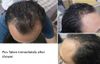
The user shared a 3-month update on using a 5% minoxidil and finasteride topical solution enriched with redensyl and procapil for hair regrowth. They mentioned inconsistency in using the treatment and initially starting it without consulting a dermatologist.
A user is considering adding crushed finasteride pills to a serum containing redensyl, procapil, and anagain to treat hair loss. Another user shared their experience, noting some improvement in hair health but no significant reduction in hair loss, and plans to continue the treatment for six months.
A user shared progress pictures showing significant hair regrowth after using a topical solution containing 5% Minoxidil, Finasteride, Redensyl, and Procapyl. The user reported no side effects and applies the solution twice daily.
The conversation discusses the effectiveness of adding RCP (redensyl, capixyl, procapil) to a hair loss treatment regimen that includes minoxidil and finasteride. Users share experiences, suggesting RCP may not be as effective as minoxidil, but could be useful for creating topical solutions.
The conversation discusses the use of topical finasteride for hair loss, with the user considering whether oral finasteride might be more effective in reducing DHT levels. Other users suggest alternatives like dutasteride, RU58841, saw palmetto, and a combination of Redensyl, Procapil, and Capixyl, while debating the effectiveness and side effects of these treatments.
The user has been using minoxidil, trioxidil, procapil, redensyl, and ashwagandha lotion for hair loss but can't find more procapil redensyl lotion. They are seeking advice on where to find it or alternative solutions.
User tried finasteride, minoxidil, redensylsolution, PRP sessions, essential oils, diet, exercise, and microneedling for hair loss. Experienced slight regrowth, reduced hair fall, and stopped hairline receding; advises realistic expectations and considering regrowth as a bonus.
A user experiencing side effects from a 5% minoxidil and 0.1% finasteride topical solution for hair loss reduced their dosage due to numbness and pain in the lower body and is seeking advice on dosage and alternatives like redensyl. They are concerned about the side effects of both medications and are considering adjusting the dose or switching treatments.
The user is using Minoxidil 5% foam in the morning and a Minoxidil 5% + Finasteride 1% solution in the evening for hair loss. They are seeking advice on additional topical treatments to use midday, such as caffeine serums, peptides, Redensyl, or natural anti-inflammatories.
The new formulation includes minoxidil, finasteride, redensyl, caffeine, and propacil, and removes alcohol. The user is concerned about potential hair shedding due to the change in ingredients.
Redensyl, a hair loss treatment that has been claimed to be 80% more effective than minoxidil, but users have not experienced any results from using it.
The conversation discusses hair loss treatments, specifically comparing rosemary and Redensyl, with the original poster already using finasteride and minoxidil. Users also mention using topical melatonin, caffeine, geranium, rosemary oil, jojoba, coconut, and argan oil for hair and scalp care.
A user's hair growth progress over 5 months using Fin 2.5mg gel and Redensyl serum, with the user noticing baby hairs and an improvement in thickness. Another user asked what redensyl serum was and the response was appreciation for noticing the hair loss early on.
A user shared their 3-month hair regrowth progress using finasteride, minoxidil, Redensyl, and a derma roller, along with vitamin and biotin supplements. They have seen significant improvement and regained confidence, despite initially losing hair due to seborrheic dermatitis and male pattern baldness.
The conversation discusses hair regrowth progress from Norwood scale 4 to 2.5 over a year using daily 8.5-9% RU58841, topical Dutasteride 0.1%, RU58841 5% 1.5 times a week, and daily caffeine redensyl scalp treatment.
Treatments for hair loss, including topical dutasteride minoxidil, tretonin, dermarolling, serioxyl, and redensyl over a period of 3 months; switching from RU58841 to pyrilutamide was suggested with potentially less risk of systemic side effects; and encouragement to not give up hope.
A topical solution called "Multi-Peptide Serum for Hair Density" by The Ordinary Company, which contains several ingredients that are used in alternatives to Minoxidil and was found to have better results than 5% Minoxidil in a study. People who have tried it shared their experiences with the serum as well.
The conversation is about a hair loss treatment containing Redensyl, used alongside Minoxidil. Most users found it ineffective, greasy, and not worth the money.
The conversation discusses whether using 0.1% topical finasteride alongside 0.5 mg oral finasteride is excessive, with suggestions to choose either oral or topical treatment. The user also uses 5% minoxidil and mentions concerns about alcohol-based solutions due to seborrheic dermatitis.
GHK-RU58841 is used for hair loss, with positive results when combined with finasteride, stemoxydine, redensyl, and alfatradiol. Users report effectiveness after adding finasteride.
OP seeks advice on alternative hair loss treatments like Redensyl, Capixyl, and Procapil, instead of lifelong Minoxidil and Finasteride. Users suggest hair transplants and discuss the potential future availability of better treatments.
The user is using oral dutasteride, oral minoxidil, topical minoxidil, finasteride solution, tazarotene, calcipotriol, and a peptide serum for hair loss but is concerned about continued hair shedding. They are advised to stop smoking as it may worsen hair loss and to give the treatments more time to work.
The conversation discusses sourcing hair loss treatments from India to reduce costs. The treatments include Morr F Minoxidil + Finasteride solution, Traya Recap Hair Serum, a derma roller, and Man Matters DHT Blocking Shampoo and Conditioner.
A 31-year-old man from India is starting a hair loss treatment routine using finasteride, minoxidil, ketoconazole shampoo, and supplements for vitamin deficiencies. He is considering switching to oral minoxidil and possibly using Redensyl serum, while also exploring the effectiveness of dutasteride compared to finasteride.
The conversation discusses alternatives to minoxidil for hair loss, with suggestions including aminexil, redensyl, stemoxydyne, and topical cetirizine. Users share mixed results with these alternatives and emphasize combining treatments with dermarolling, diet, and exercise.
Minoxidil with alcohol and propylene glycol was more effective than non-alcohol versions, and RU58841 worked best in a non-water-based solution. Oral finasteride showed better results than topical, despite side effects; microneedling and tretinoin worsened hair loss, and PRP was only helpful when younger.
A 22-year-old male is not seeing hair regrowth after using minoxidil and finasteride for a year and additional treatments for three months. Suggestions include improving scalp absorption with sea salt and trying a lipid-based solution, microneedling, and possibly switching to dutasteride if no improvement after 1-2 years.