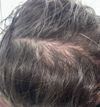
Hair loss discussion involves treatments like Minoxidil, Finasteride, and RU58841. Stemoxydine may be effective, but results may take at least 3 months due to hair cycle.
The conversation is about the effectiveness of Redensyl for hair loss and whether to continue using Minoxidil alone, despite planning for a hair transplant eventually. The user also mentions using dermarolling, PRP therapy, and Nutrafol.
The conversation discusses arranging an interview with the developers of RU58841 to clarify its safety and reasons for halted research, with some users expressing concerns about potential risks and others citing financial reasons for the discontinuation of studies. Specific treatments mentioned include RU58841, minoxidil, and finasteride.
Hair loss and potential treatments, primarily focusing on Finasteride and Minoxidil. Other solutions discussed include PRP, dermarolling, LLP, and scalp tension relief.
Hair loss discussion includes treatments like Minoxidil, Finasteride, and RU58841. User asks about Redensyl's effectiveness, questioning if it's another ineffective remedy.
The user has been using finasteride, minoxidil, retinoid, and occasional microneedling for hair loss with good results. They recently added stemoxydine, which improved their hair further, and suggest trying it, especially in the EU where it's easily available.
The conversation discusses personal experiences with hair loss and highlights the potential impact of anemia and nutrient deficiencies on hair health. Treatments mentioned include changing shampoo/conditioner, taking MSM, collagen, hyaluronic acid, astaxanthin, B12, folate, and bovine blood capsules.
The user checked iron, ferritin, B12, zinc, testosterone, DHT, and estrogens to understand hair loss causes and the effects of dutasteride. They also noted increased heart rate and paleness with oral minoxidil.
The conversation discusses the differences between Minoxidil and Redensyl for hair loss treatment. It also questions why Redensyl isn't as commonly discussed despite claims of its effectiveness.
The user is struggling with hair loss despite using finasteride, minoxidil, and ketoconazole, and addressing vitamin D and ferritin deficiencies. They experienced a temporary improvement but are now shedding hair again and feeling stressed.
A user is considering mixing Stemoxydine, RU-58841, Alfatradiol, and Tretinoin into a single topical solution for hair loss. They are concerned about potential interactions that could reduce the effectiveness of these ingredients.
The conversation is about the effectiveness of Stemoxydine for hair loss. People are discussing its benefits and comparing it to other treatments like Minoxidil, Finasteride, and RU58841.
An 18-year-old woman experiencing hair loss due to stress, possible PCOS, and low vitamin D is concerned about starting 5% minoxidil foam, prescribed by her doctor, due to potential facial hair growth. She is also using a topical steroid for scalp sensitivity and pain.
The user is experiencing sudden hair loss and is considering micro-needling, low-level light therapy, iron supplements, folihair, and Omega 3. They are hesitant to start finasteride, suspecting the hair loss might be due to telogen effluvium from a past COVID-19 infection.
Dr. Muñoz's discovery suggests that targeting potassium channels in fibroblasts could reactivate hair growth, offering new treatment possibilities for alopecia. Potential strategies include using minoxidil, diazoxide, and other potassium channel openers, as well as bioelectric devices and direct growth factor applications.
The conversation discusses hair regrowth using 2-deoxy-d-ribose (2DDR) combined with minoxidil, with some users noting new hair growth. The original poster has been using minoxidil for 12 years and is considering combining 2DDR with finasteride, despite past side effects.
A user is considering exosome therapy from Springs Rejuvenation for hair loss after unsuccessful attempts with PRP, adipose injections, and a laser cap. They are intrigued by the therapy's potential and the clinic's guarantee of 30% improved coverage, despite concerns about FDA approval and high-pressure sales tactics.
RU58841 caused severe side effects like heart palpitations and shortness of breath, leading the user to stop using it. Minoxidil and finasteride were effective without side effects, while RU58841's safety and effectiveness remain uncertain.
The user is concerned about hair loss and wonders if it could be due to product use or stress, despite having family members with full hair. They are considering starting treatment with Minoxidil, finasteride, or RU58841.
Mixing minoxidil and stemoxydine is not recommended due to potential dilution and reduced effectiveness. Applying them separately with a time gap is suggested.
The user is seeking advice on which treatment to add to their current regimen for male pattern baldness. They have previously tried Dutasteride, Nizoral, and oral Minoxidil, but experienced continued hair loss. They are specifically asking for experiences with RU58841, Stemoxydine, or Alfatradiol.
The conversation is about a user trying to fund lab testing for RU58841 to verify its legitimacy, as there are doubts about its effectiveness. Some users express skepticism about RU58841, suggesting alternatives like KX-826.
A 25-year-old male experiencing hair loss suspects stress-related alopecia and is hesitant to use Minoxidil due to potential side effects. Another user suggests it might be androgenic alopecia and recommends starting finasteride.