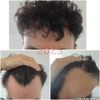
The conversation discusses using rosemary oil, finasteride, and oral minoxidil for hairloss. Rosemary oil's effectiveness is debated, but it may improve scalp blood flow and hair appearance.
Dutasteride at 2.5 mg/day reduces scalp DHT by 80%, while 0.5 mg/day reduces it by 50%, with minimal difference in side effects. Users often combine it with finasteride, RU58841, and minoxidil for better hairloss management, though side effects like dry skin and pimples are noted.
A 28-year-old male with a family history of baldness is deciding whether to start finasteride now or wait for visible hair changes. He is considering starting finasteride immediately to proactively address potential hairloss.
Dutasteride may inhibit androgen receptors in addition to reducing DHT, potentially explaining its effectiveness over finasteride for hairloss. Concerns about its impact on muscle growth are debated, with some suggesting no significant effects.
A satirical post jokes about a user meeting a doctor at the zoo who praises finasteride (Fin) for hairloss treatment, claiming it has a low side-effect profile and is effective. Replies include humorous disbelief, comparisons to other risks, and some personal accounts of side effects from Fin.
The user has been using finasteride for 1.5 years and minoxidil for almost 3 years for hairloss, and has seen some maintenance of hair but not significant regrowth. Suggestions from others include switching to dutasteride, trying oral minoxidil, and considering microneedling or hair fibers for better appearance.
A user shared his experience of having two healthy children while continuously using finasteride (Fin) for hairloss, challenging fears about its potential impact on fetal development. The discussion that followed included various perspectives, with some users sharing similar experiences, others expressing concerns about potential risks, and some emphasizing the need for more substantial evidence before drawing conclusions.
The user has been using 1mg finasteride every other day, 5% minoxidil daily, and microneedling every two weeks for three months to treat hairloss. They are happy with the progress and considering adding ketoconazole shampoo to their routine.
The conversation discusses HMI-115, a potential cure for hairloss. Users share mixed opinions, with some expressing skepticism and others sharing anecdotal evidence of its effectiveness, including photos of significant hair regrowth from a trial participant.
Combining Finasteride with topical Quercetin, Onion/Garlic juice and Peppermint Oil to reduce Wet Prostate Weight in Rats. Luke10191 asked the user LITUATUI to update them on progress after trying this combination of treatments for hairloss.
A user's experience with Pyrilutamide, a topical treatment for hairloss that they used in combination with other treatments such as Minoxidil and Finasteride. The user experienced impressive results in a short amount of time.
This conversation is about a 40 year old male who has been using Dutasteride every other day, Minoxidil once daily, micro needling roughly every other week, Nizoral twice a week and vitamins to help with hairloss. The user experienced a shed at 7 months but noted improvement since then and was looking to fill in the gaps around their temples more. Others discussed potential side effects of Finasteride versus Dutasteride and suggested a hair transplant as well as questioned whether or not micro needling works alone.
The user started using finasteride, minoxidil, and biotin for male pattern baldness (MPB) and is experiencing rapid thinning. They are questioning if low blood flow to the head could be contributing to their hairloss.
A user's progress with using Minoxidil, Finasteride and Dermarolling to treat hairloss; some of the replies included reports of side effects, encouragement and advice on lighting.
The conversation discusses the idea of naturally lowering testosterone levels to potentially reduce DHT and help with hairloss, though it is speculative and not tested by the original poster. Participants suggest using treatments like finasteride, dutasteride, or RU58841 instead, as they directly target DHT without reducing testosterone.
The progress made by someone using finasteride, minoxidil and Nizoral for hairloss over a 2.5 year period, with before and after photos to show the results. Replies included encouragements and questions about the treatments used.
People discussed using finasteride, minoxidil, and dutasteride for hairloss, with mixed results and side effects. Some had positive outcomes, while others experienced issues like libido changes and chose alternatives like hair systems.
Women experienced severe reactions, including Topical Steroid Withdrawal (TSW), from using Winlevi (Clascoterone 1%) on their faces. Concerns were raised about the potential risks of higher concentrations, especially for hairloss treatment.
A 31-year-old woman is using Dutasteride (0.5mg daily) and supplements like a multivitamin, Herbadal, pumpkin seed oil, and vitamin D for genetic hairloss, noticing thicker hair but no new growth after one month. She is considering adding minoxidil and is aware of Dutasteride's risks, especially regarding pregnancy.
Finasteride users have mixed experiences with creatine; some experience increased hairloss, while others do not. Finasteride's DHT-blocking effects might counteract any DHT increase from creatine, but individual responses vary.
The conversation discusses concerns about using cordyceps while on dutasteride due to potential DHT increase, with OP experiencing hairloss after using creatine. OP is advised to stop creatine and give dutasteride more time to evaluate its effectiveness.
Kevin, a YouTuber known for his channel "haircafe," helped many with hairloss through treatments like finasteride. He recently took down his channel and checked into a psych ward due to mental health issues and backlash over old posts.
A 21-year-old has been using finasteride for nearly a year with positive results for hairloss. His parents found his stash, misunderstood the risks, and are forcing him to dispose of it, leading him to seek advice on handling the situation.
This conversation is about a user who has been using topical finasteride and minoxidil to treat their hairloss, with the result being an intense shedding period. Other users have offered advice and encouragement for them to keep going with the treatment, suggesting they may see significant regrowth in 6 months time.
The conversation discusses using 1% cetirizine, an antihistamine, as a potential treatment for androgenetic alopecia (hairloss). One user plans to try cetirizine instead of finasteride, while others are curious or skeptical about its effectiveness, discussing the role of inflammation in hairloss.
The conversation humorously discusses the exaggerated effects of taking a 500mg pill of dutasteride, with users joking about extreme side effects like excessive hair growth and loss of sensation. It also mentions personal experiences with finasteride and the potential high bioavailability of dutasteride in liquid form.
A 25-year-old uses oral minoxidil, dutasteride, and a shampoo with minoxidil and ketoconazole for hairloss, experiencing progress and increased body hair. Users discuss the effectiveness of these treatments, with some suggesting that dutasteride is primarily responsible for hair thickening.
Topical finasteride can effectively reduce scalp DHT by targeting local enzymes, despite less systemic impact compared to oral forms. Combining oral dutasteride with topical finasteride and minoxidil may enhance hairloss prevention, though evidence of its effectiveness is limited.
The user has been on finasteride and minoxidil since 2020 and increased dutasteride and minoxidil doses in June 2024, but still experiences hairloss. Despite trying pyrilutamide without success, opinions vary on whether the hairloss is significant, with some suggesting it might be due to lighting, angles, or a regular shedding cycle.