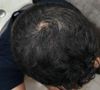
A user's hairline recovery after severe hairloss, which was treated with Dutasteride and Minoxidil; other users offered their opinions on the severity of the hairloss.
Saw Palmetto is not effective for hairloss treatment and is not a recommended alternative to finasteride due to its inability to significantly inhibit DHT.
A user successfully regrew hair over 20 months using oral dutasteride and minoxidil, with no significant side effects. They are satisfied with the results but may consider a hair transplant for more density.
A 24-year-old woman experiencing hairloss due to low ferritin and iron deficiency is advised to correct these deficiencies before considering minoxidil. Minoxidil is not recommended for temporary hairloss caused by iron deficiency.
The conversation discusses a hairloss and scalp care routine involving ciclopirox shampoo, benzoyl peroxide, clindamycin gel, clobetasol propionate, and calcipotriol to manage seborrheic dermatitis, folliculitis, and inflammation. It also touches on the role of diet and other treatments like oral minoxidil and pioglitazone for scalp health.
A 28-year-old woman with genetic hairloss has tried various treatments, including oral minoxidil, finasteride, dutasteride, vitamins, ketoconazole shampoo, exosome needling, and hair extensions. She plans to pause treatments for pregnancy and is concerned about potential hairloss during that time.
The user "OP" is frustrated with hairloss despite using oral minoxidil, topical finasteride, and oral dutasteride. Other users suggest keto shampoo, lifestyle changes, and low light laser therapy.
Dr. Oscar Muñoz's hairloss treatment tier list suggests oral minoxidil and finasteride are highly effective, while topical treatments like RU58841 and microneedling are less effective. Users discuss the effectiveness of various treatments, with some favoring oral options for their practicality and higher response rates.
A user with stage 3 baldness is seeking advice on microneedling for hair growth, including pre and post-care, washing routines, and the use of hair growth serums or oils. They also inquire about the effectiveness and safety of microneedling pens.
An SSRI (paroxetine) reduced hairloss and itching for a user with male-pattern baldness, but liver issues forced discontinuation, leading to increased hairloss and anxiety. The user plans to try other anti-anxiety medications, noting stress and anxiety significantly impact hairloss.
The user is addressing hairloss with scalp botox, scalp massage, nizoral shampoo, various vitamins and supplements, and natural nitric oxide boosters like citrulline malate and beetroot powder. They are also considering a mouthpiece to reduce snoring and improve sleep.
The user has been taking 3.75mg of finasteride weekly for 8 months, which has improved their hairline and hair texture. They shared a humorous encounter with a bald mechanic who complimented their hair, unaware of the finasteride use.
A 23-year-old man with hairloss, despite using dutasteride, oral minoxidil, and RU58841, is considering bicalutamide for regrowth but is concerned about feminization. Alternatives like topical estrogen, JXL069, and spironolactone are discussed, with suggestions to explore thyroid levels and other potential underlying conditions.
Low-dose Dutasteride, used 2-3 times a week, is as effective as daily Finasteride for hairloss with fewer side effects. Users report increased libido and better results with Dutasteride compared to Finasteride.
Creatine does not cause hairloss, despite many users reporting personal experiences of hair shedding. Scientific evidence shows no link between creatine and increased hairloss or hormone changes.
Diet and lifestyle changes can reduce hair shedding but won't regrow hair lost to genetic male pattern baldness. Treatments like finasteride and dutasteride are necessary for significant hair regrowth.
A 23-year-old is using 0.25mg Finasteride for hairloss and experiencing increased shedding after initial reduction. Advice given is to wait longer for results, as hair cycles take time to adjust, and consider increasing the dose if no improvement occurs in a few months.
The conversation is about using topical saw palmetto for hairloss, with some users suggesting it is less effective than finasteride or dutasteride. The original poster is considering saw palmetto with dermarolling and specific shampoos, avoiding finasteride due to concerns about systemic effects.
Hairloss significantly affects men's confidence and mental health. Common treatments include finasteride, dutasteride, and minoxidil, with some considering hair transplants.
Bryan Johnson uses topical dutasteride, minoxidil, and microneedling for hairloss. Users discuss treatment effectiveness and side effects, debating topical versus oral dutasteride efficacy.
Vitamin D deficiency can contribute to hairloss, but it is not the sole cause, and supplementation may not always resolve the issue. Treatments like finasteride and minoxidil are recommended for hair regrowth, with vitamin D and other supplements providing additional support.
A user experienced hair thinning and scalp issues after using a sebum-regulating shampoo and perm treatments. They are advised to consider potential allergies, try a simple shampoo, and research treatments like finasteride for possible male pattern baldness.
Grapefruit juice doesn't significantly affect finasteride or dutasteride. Drinking topical minoxidil is risky; saw palmetto is less effective than finasteride or dutasteride for hairloss.
Dutasteride is unlikely to worsen hairloss; shedding is often temporary. Other factors like inconsistent use, placebo effect, or additional treatments may influence perceived results.
The conversation is about whether low vitamin levels can cause hairloss. The consensus is that the user's vitamin levels are normal and unlikely to affect hairloss or the effectiveness of finasteride and minoxidil treatments.
A user is testing clascoterone (Winlevi) on their scalp for hairloss and has noticed a reduction in scalp sebum after one month. They are also using other unspecified treatments and plan to provide an update after the second month.
Hairloss, DHT and bloodflow with Andrew Huberman; the discussion includes opinions about supplements, finasteride, minoxidil, turmeric, coffee and botox injections for hairloss.
A 29-year-old with hairloss (NW 3) uses microneedling, oral minoxidil, and ketoconazole shampoo. They are considering topical dutasteride after limited success with current treatments and are questioning why it's not more widely discussed.
Hairloss treatments discussed include Minoxidil, Finasteride, RU58841, ass hair transplant, topical Viagra, castration, and transitioning to female. A user mentions an experimental drug called M4U-5 (Mousteride) that turns you into a mouse.
The conversation is about the mental toll of hairloss and seeking alternatives to finasteride. Suggestions include using minoxidil, considering pumpkin seed oil, and possibly seeking counseling for body dysmorphic disorder.