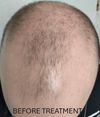
Setipiprant trial for hair loss failed, showing no difference between placebo and treatment. Discussion also noted placebo users reporting side effects.
The user has been using oral minoxidil and finasteride but has seen no regrowth, only stabilization of hair loss. Suggestions include considering a hair transplant or adding topical treatments, with some users sharing similar experiences of stabilization without regrowth.
The user has been using topical minoxidil and finasteride for four months without noticeable regrowth and plans to try tretinoin. Other users suggest patience or switching to oral minoxidil if no results are seen after several months.
The user is concerned about patchy hair regrowth after 5.5 months of treatment. They are questioning if more hair growth can be expected in the upcoming months.
User tried various hair loss treatments with limited success. RU58841 was effective but caused side effects, now trying Eucapil and continuing Finasteride.
The conversation is about hair regrowth progress using topical finasteride and minoxidil twice daily, with occasional microneedling. The user also uses Minoxidilmax and WOW Skin Science Apple Cider Vinegar Shampoo.
The user is concerned about hair regrowth after using 2% minoxidil and keraglow vitamins for three months, noticing shedding but no significant improvement. They plan to switch to 5% minoxidil and consider finasteride for better results, as they have been diagnosed with male pattern baldness.
The potential of using Verteporfin to prevent hair loss scars and possible regrowth, with two doctors currently testing it, although the price of a 15mg bottle is expensive.
The conversation discusses hair regrowth progress using Minoxidil, Biotin, Finasteride, and Ketoconazole, with microneedling stopped after 8 months. The user is questioning the effectiveness on temple areas after 1.7 years of treatment.
User tried Minoxidil and Finasteride for hair loss with no success and considers giving up. Others suggest continuing treatment, trying hair transplant, or embracing baldness.
A user shared their positive hair transplant results after 19 months without using finasteride or minoxidil, only vitamins. Some responses suggest concern over future hair loss without prevention treatments, while others congratulate or express jealousy.
A user started using RU58841 a month ago after using finasteride and minoxidil for nearly three years, hoping for hair regrowth at the temples. Other users suggest vitamin B supplements and microneedling to improve hair thickness, and one mentions the possibility of a hair transplant for the temples.
Finasteride improved hair thickness for someone with diffused thinning after 11 months, with no side effects. Patience and consulting a dermatologist are advised, and minoxidil is suggested for additional support.
The conversation is about using tretinoin cream to improve minoxidil absorption for hair regrowth, specifically in the temple region. The original poster eventually stopped this treatment and switched to oral medication.
A 25-year-old with AGA experienced hair thinning and dandruff, stabilized with topical finasteride and minoxidil but saw minimal regrowth. They seek advice on styling and consider oral minoxidil and microneedling for denser hair.
Stopping minoxidil led to significant hair shedding, prompting a return to its use despite initial side effects like dark circles and dry skin. Finasteride was also used but seemed ineffective, and there's hope for future treatments like trinov and sandalore.
Hair loss treatment with latanoprost, minoxidil, and biotin showed progress. Latanoprost, a glaucoma drug, stimulates anagen phase and increases conversion of vellus hair to terminal hair.
The user shared progress pictures of hair loss treatment using finasteride, minoxidil, and microneedling, expressing hope for recovery after an 8-9 month break. They seek advice on restarting treatment and are optimistic about regaining previous results.
A 27-year-old is experiencing significant hair loss despite using a combination of 0.5mg dutasteride daily, topical minoxidil, nizoral shampoo, and vitamin D optimization, and is now starting zinc supplementation. Suggestions include considering other causes, possibly increasing dutasteride dosage, switching to oral minoxidil, or maintaining the current regimen and reassessing in six months.
The user has been using a topical combination of finasteride and minoxidil for over three years, with added ketoconazole and biotin, and started microneedling six months ago, but sees limited progress mainly in the crown area. Suggestions include trying oral minoxidil, oral dutasteride, and considering a hair transplant if further improvement is not achieved.
A 25-year-old woman with androgenic alopecia has been using minoxidil, spironolactone, and dutasteride but sees little improvement in hair thinning. She is considering switching to oral minoxidil and exploring other treatments like PRP and hair systems.
The conversation is about a user's hair transplant progress using 3000 grafts with DHI technique, foam Minoxidil, Tretinoin, and Dutasteride after 5.5 months. Commenters are impressed with the results, noting significant improvement.
The user has seen positive results after 16 months of using topical Finasteride/Minoxidil, microneedling weekly, and Tretinoin for hair loss. There are no reported side effects, and the user advises that the effectiveness of microneedling depends on the pressure applied.
The user maintained their hair using daily 1mg finasteride, topical minoxidil, vitamins, and a derma roller every 15-20 days. Suggestions included switching to dutasteride and oral minoxidil.
The user is using minoxidil, finasteride, and recently added tretinoin to address hair loss, specifically around a receding hairline. They are seeking advice on application methods and mention experiencing mild skin rashes potentially from tretinoin.
A human trial of verteporfin, a drug that can inhibit wound healing by scarring and promote regeneration of original tissue and hair follicles to provide an unlimited source for hair transplants; people discussed the potential of this drug and how it could be rolled out in mainstream with more doctors getting on board.
The user experienced significant hair regrowth after 2.5 years of using Minoxidil 5% and hormone replacement therapy (HRT) with Lupron, despite initial scalp irritation. Finasteride was ineffective for them.
Concerns about the long-term safety of VDPHL01, an extended-release minoxidil, due to potential risks similar to Cantu syndrome, were raised, highlighting the lack of monitoring for chronic connective tissue changes. The conversation suggests that while the treatment may improve hair growth, it could lead to issues not detected in short-term trials.
A 21-year-old male has been using finasteride and minoxidil for four months with little progress in hair regrowth, despite adding microneedling and rosemary oil to his routine. Users suggest patience, maintaining the current treatment, and possibly simplifying the routine by dropping rosemary and microneedling.
A user asked if anyone who didn't respond to minoxidil saw improvement after adding tretinoin. One person replied they saw hair growth on their hairline after using a combination of minoxidil, finasteride, and tretinoin, suggesting tretinoin may have made them respond to minoxidil.