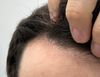
Vitamin D supplementation may have led to slight hair regrowth and density improvement. Other treatments discussed include finasteride, minoxidil, and maintaining optimal vitamin D levels.
User sees hair regrowth progress after 3 months using minoxidil, finasteride, derma rolling, keto shampoo, scalp massaging, and anti-thinning shampoo/conditioner. Others agree there's visible improvement.
The conversation humorously discusses an extensive and exaggerated hair loss treatment regimen, including finasteride, dutasteride, minoxidil, pyrilutamide, RU58841, and various other therapies. Despite the numerous treatments, the effectiveness is questioned, and the user humorously considers adding more minoxidil.
The user experienced good hair regrowth using natural methods and mechanical stimulation but decided to add finasteride to their regimen for better results. They are optimistic about further regrowth and plan to update on the effects of finasteride, noting no significant side effects so far.
Hair loss is linked to the loss of stem cells in hair follicles, and potential treatments include gene editing and microneedling. Discussions also mention using Minoxidil, finasteride, and dermarolling to improve hair growth.
User experienced hair loss after surgery and was diagnosed with TE. The doctor recommended PRP therapy, Finasteride, Anatrix pro Hair Serum, a multivitamin, and a lotion and shampoo containing Zinc Pyrithione.
The user has been using finasteride, minoxidil, and a dermastamp for over four months and is asking if there is noticeable hair regrowth. They are seeking opinions on whether their hair will look good when grown out.
The user has been using 5% Minoxidil and microneedling for 11 months, showing some regrowth, and is considering adding Finasteride to enhance results. Many suggest adding Finasteride, either orally or topically, to address DHT-related hair loss and improve hair growth.
The conversation discusses a user's two-year hair regrowth progress using finasteride, minoxidil, and microneedling. One user asks for a timeline of progress, another comments on hair length, and the original poster mentions using microneedling sporadically.
A user who experienced hair loss and stopped finasteride 4.5 years ago is considering restarting treatment with finasteride and oral minoxidil, questioning if their hair follicles are still recoverable. Responses suggest that hair follicles may not die and can potentially be revived even after many years, with some users sharing personal success stories using treatments like minoxidil, finasteride, microneedling, and RU58841.
User shared successful hair regrowth results using Minoxidil and Microneedling with a Dr. Pen M8 model. Discussed routine, needle depth, and frequency for optimal results.
The user has been treating hair loss with finasteride, minoxidil, microneedling, Nizoral shampoo, and Nutrafol, and is asking for opinions on their progress. Suggestions include continuing current treatments, considering dutasteride or other options, and being cautious with microneedling frequency to avoid scar tissue.
The user reported significant hair regrowth after one month using Cécred edge drops, microneedling, and finasteride, despite skepticism from others. They had previously tried minoxidil, finasteride, PRP, and other treatments with limited success.
A 38-year-old man is using topical and oral Minoxidil, DHT blocker shampoo, and microneedling for hair regrowth, with plans to add Finasteride later. Many users suggest starting Finasteride or Dutasteride immediately to address the root cause of hair loss, while some express concerns about potential side effects.
The conversation discusses impressive hair regrowth results using finasteride, minoxidil, and microneedling over 20 months. Some users suspect a hair transplant or hair system, while others inquire about specific product details and side effects.
The user shared their successful hair regrowth journey using finasteride, dutasteride, minoxidil, microneedling, and tretinoin. They experienced significant improvement, especially in the crown and temple areas.
The user switched from topical to oral finasteride and minoxidil, noticing thicker and longer baby hairs, suggesting potential regrowth at the temples. Other users agree it looks like a sign of success.
A 37-year-old male stopped using finasteride and minoxidil due to side effects and switched to derma rolling, scalp massaging, and Revita shampoo, resulting in thicker, healthier hair with new growth. Users discuss the effectiveness of mechanical scalp stimulation, with some sharing similar positive experiences and others expressing skepticism.
The user experienced improved self-confidence and hair regrowth using finasteride, minoxidil, and dermarolling. Visible results were noted after about three months, with microneedling done once a week.
The user reports promising hair regrowth without using finasteride, focusing instead on microneedling, dermarolling, minoxidil, tretinoin, scalp massages, and red light therapy. They emphasize consistency and a healthier, side-effect-free approach.
The user shared their hair regrowth journey over three months using oral Finasteride, topical Minoxidil, and derma stamping. They reported significant progress and encouraged others to try similar treatments.
Microneedling once a week at 1mm caused bumps, possibly scars, in the treated area. The user is considering cleaning the skin before microneedling to prevent this issue.
A user is documenting their natural approach to treating a receding hairline using a dermastamp, essential oils (rosemary oil at 3% dilution with pumpkin seed oil), a multivitamin with vitamin D, and daily collagen shakes. They acknowledge the common recommendations of minoxidil and finasteride but prefer to test natural methods and share their results.
The user started oral finasteride, switched to oral dutasteride, oral minoxidil, and microneedling, and is seeing potential hair thickening. Others agree there is regrowth and suggest continuing treatment.
The user experienced significant hair regrowth using a regimen of minoxidil 5% twice daily, finasteride 1 mg daily, microneedling, ketoconazole 2% twice a week, and occasional castor and coconut oil, along with daily scalp massages. They are optimistic about reversing their Norwood 5/6 hair loss.
A user successfully regrew their hair over 8 months using topical minoxidil, finasteride, a healthy lifestyle, and derma stamping. They emphasize the results are genuine and not from hair transplants.
The user successfully managed hair regrowth by using a combination of finasteride, dutasteride, minoxidil, and specific shampoos to treat seborrheic dermatitis. They emphasize the importance of maintaining a healthy scalp and are considering food intolerance tests to further address inflammation.
The user had a hair transplant 10 months ago and sees some improvement but still has thin spots. They previously used finasteride pills and now use a topical solution of minoxidil, dutasteride, and tretinoin.
A user shared their successful hair regrowth journey using finasteride, minoxidil, microneedling, and castor oil, highlighting the importance of persistence despite initial shedding. They reported no side effects and encouraged consistency in treatment.
The user shared their hair regrowth routine, which includes Minoxidil, derma rolling, Nizoral shampoo, pumpkin seeds, PRF sessions, and rosemary oil, with plans to add multivitamins, rice water, and exosomes. They hope to avoid using finasteride unless necessary, preferring natural alternatives like pumpkin seeds and saw palmetto for DHT control.