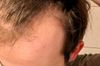
Hair loss treatments include finasteride and spironolactone. Low vitamin D levels may contribute to hair loss, and normalizing levels could potentially help regrowth.
A 22-year-old is experiencing worsening hair loss despite using a doctor-prescribed serum and shampoo. They are seeking advice on additional treatments like Minoxidil, finasteride, or RU58841.
Quitting smoking may improve the effectiveness of finasteride and minoxidil for hair regrowth. Smoking is harmful to hair health, potentially increasing hair loss and reducing regrowth.
The user shared hair regrowth results after 6 months using finasteride, minoxidil, ketoconazole shampoo, and dermastamp, considering adding dutasteride or a hair transplant. They previously had a hair transplant and did not take medications initially, leading to further hair loss.
An 18-year-old with early hair loss is advised to consider minoxidil and finasteride, with a doctor's consultation recommended. Alternatives like a hair system or shaving are suggested due to potential medication side effects and lifelong commitment.
The conversation discusses hair transplants, including the use of techniques like FUE and the importance of a good donor area to avoid visible bald patches. It also touches on alternative treatments like Minoxidil, Finasteride, and Pyrolutimide, and debates the idea of embracing baldness versus seeking treatments.
The user experienced significant hair regrowth after 13 months using oral minoxidil, finasteride, and biotin. The conversation highlights the effectiveness of the treatment and discusses the potential benefits of switching to dutasteride.
User is using topical Minoxidil (100 mg/day) and Finasteride (1 mg/day) but experiencing hair growth everywhere except the top of the scalp. They seek advice on improving scalp hair regrowth.
The user reports positive results from using 1mg oral finasteride, daily minoxidil, and dermarolling twice a week for hair loss over four months. They believe these treatments have been effective.
The conversation discusses the effectiveness of a new hair growth serum called HERBACLE, which claims to be the world's first, but lacks reviews and is doubted by users. One user notes that its ingredients are similar to those in The Ordinary's Multi-Peptide Serum for Hair Density.
The conversation discusses the use of 12.5mg cyproterone every other day for hair loss. There's a concern about reducing testosterone potentially increasing DHT and negatively affecting hair.
The user is experiencing significant hair shedding despite 2 years on finasteride, 1.5 years on RU58841, and 10 months on oral minoxidil, and is frustrated with the ongoing issue. Another user shares a similar experience of losing a lot of hair daily for the last 3 years.
User seeks advice for regrowing temples, currently using Fin, oral Min, and dermarolling. Suggestions include improving scalp environment and considering RU58841 or dutasteride.
A 25-year-old male with DUPA (diffuse thinning including the donor area) has not seen improvement after 14 months on finasteride. He's considering switching to dutasteride (DUT) after advice from a hair loss YouTuber and is also contemplating trying RU58841.
Hair loss discussion mentions ineffective treatments like Nutrafol and low-level laser therapy sold by transplant clinics. Trust in hair restoration doctors questioned due to promoting these treatments.
A user's progress pictures and four month finasteride update showing dramatic hair regrowth, as well as their experiences with other treatments like minoxidil. The conversation also includes advice on diet, testosterone levels, and the importance of avoiding baldness for attraction and confidence.
A 23-year-old is experiencing hair loss, primarily at the top middle of the head, and is considering finasteride but is hesitant due to potential side effects. Other users share their positive experiences with finasteride, suggesting it is worth trying, while also discussing the importance of researching and monitoring for any side effects.
Minoxidil and LLLT are compared for treating hair loss, with LLLT showing higher regrowth rates and fewer side effects. LLLT is less time-consuming and more suitable for those with health issues, while Minoxidil requires daily application.
The user experienced increased hair shedding after adding tretinoin to their regimen of finasteride, minoxidil, and dermarolling, but noticed new vellus hairs appearing. They plan to restart tretinoin more gently, as some users suggest shedding indicates treatment effectiveness, while others warn it may cause severe thinning for a minority.
A 20-year-old is using minoxidil for hair regrowth and considering finasteride despite concerns about side effects. Many suggest adding finasteride to maintain gains, with recommendations to start with a low dose or use a topical form to minimize side effects.
Hair regrowth from treatments like minoxidil, RU58841, and finasteride is not permanent; stopping these treatments typically results in hair loss resuming. Beard hair can become permanent with minoxidil use, unlike scalp hair, which requires ongoing treatment to maintain gains.
A 47-year-old male experienced noticeable hair regrowth and improved hair quality after using Finasteride 1mg daily and Minoxidil 2.5mg tablets once a day for 13 months. He reports no significant side effects, except thicker eyebrows, and is pleased with the progress.
Accepting hair loss, and the use of medications such as finasteride, minoxidil, and microneedling to treat it. The responses provide advice and personal experiences related to coping with hair loss.
A user experiencing excessive hair shedding and a receding hairline is questioning if low vitamin D levels could be the cause, despite levels being within the normal range. Replies suggest that while vitamin D deficiency can cause hair loss, it might not be the issue in this case.
A 19-year-old noticed hair thinning and mild receding hairline, opting for a treatment regime excluding finasteride and minoxidil. The regime includes derma rolling, rosemary and coconut oil, a massage comb, a DHT-blocker shampoo, and vitamins B12 and Biotin.
For hair loss, start with Finasteride, Minoxidil, Ketoconazole shampoo, and Microneedling. For severe cases, consider Dutasteride, oral Minoxidil, or hair transplants.
The conversation discusses potential future hair loss treatments, including SCUBE3, hair follicle cloning, and GT20029, with mentions of past disappointments like CosmeRNA and hopes for treatments like Verteporfin for infinite donor hair.
A 20-year-old male experienced bald spots and used minoxidil, which led to hair regrowth but also premature graying. He seeks advice on reversing graying through diet or supplements like catalase, while another user suggests vitamin D3 and sesame for hair color.