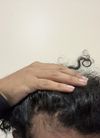
A 21 year old male who has been using finasteride and minoxidil for 3 months to treat hair loss, and others sharing their experiences with the same treatments.
The 24-hour waiting period after dermarolling before applying minoxidil is unnecessary. New research supports the simultaneous application of minoxidil with microneedling for better hair growth results.
Minoxidil may suppress androgen activity in hair follicles, potentially aiding in hair growth and prostate cancer treatment. Users discuss the effectiveness of minoxidil and finasteride for hair maintenance and regrowth, with some preferring topical applications over oral due to safety concerns.
A user shared their successful hair loss treatment using 1.25mg finasteride daily, 2.5mm microneedling every 1-3 weeks, zinc pyrithione shampoo, occasional scalp massages, and 40% glycolic acid on temples. They reported significant progress over 21 months.
A user experienced severe side effects, including erectile dysfunction and testicular pain, after taking finasteride for hair loss. They recommend sticking to minoxidil and biotin and avoiding finasteride due to potential risks.
Microneedling stimulates hair growth through stem cell activation during wound healing, not just increased blood flow. Other methods like showers or supplements don't replicate this effect.
Hair loss is primarily caused by genetic sensitivity to DHT, not lifestyle factors like diet or exercise. Treatments like Minoxidil and Finasteride can help, but it's important to consult a dermatologist to determine the best approach for individual cases.
Caffeine liquid may be as effective as Minoxidil for hair loss and could be used together for added benefits. However, the credibility of the research is questionable due to potential bias, as the study was sponsored by a company that sells caffeine solution and was not double-blind.
The user discusses their experience with diffuse unpatterned alopecia and acquired progressive hair kinkering, noting improvements with treatments including biotin, pantothenic acid, finasteride, ketoconazole, and zinc pyrithione shampoo. They report thicker, healthier hair and improved scalp condition, attributing success mainly to biotin, pantothenic acid, and finasteride.
A 25-year-old is experiencing mild hair loss and is using a regimen including scalp brushing, dermarolling, topical minoxidil, caffeine, melatonin, and a DHT-blocking shampoo. Another person shares their struggle with hair loss due to drug use and plans to start finasteride while trying to quit drugs.
Fish oil may not significantly improve hair health, but it is beneficial for overall health, especially for those who don't consume fish. Some users report better skin and less frizzy hair with omega-3 supplements, but no clear evidence of hair improvement.
The conversation discusses disappointment over only receiving a financial report from Cassiopea instead of trial results for Breezula/CB-03-01, a hair loss treatment. However, there is optimism as the company is advancing Breezula into Phase III trials for men, starting trials for women, and submitting an NDA for their acne product, Winlevi.
Stress can contribute to hair loss. Herbs like Passion Flower, Ginseng, Ashwagandha, and Valerian Root can help reduce stress and potentially improve hair health.
A user shared their experience with wearing a hair system for a year after finasteride affected their libido. They stopped using the hair system and are open to questions about the experience.
A potential non-invasive topical treatment targeting the WNT Signaling Pathway for hair regeneration is being researched, with positive results on human hair follicle cells. Current effective treatments for hair loss include Minoxidil, finasteride, and hair transplantation.
A user reports positive results with finasteride, noticing thicker hair and regrowth at the temples and hairline. Another user shares their experience with minoxidil, noting small hairs that haven't grown, and plans to add finasteride to their regimen.
The user reversed male pattern baldness using a pro-thyroid diet, lifestyle changes, and scalp stimulation exercises, without Minoxidil or Finasteride. They reported reduced dandruff, itchiness, oiliness, and experienced hair regrowth and thickening over 15 months.
A 22-year-old male has been experiencing hair thinning since 18 and was prescribed 50mg oral spironolactone for hair loss and high blood pressure, despite inquiring about finasteride. A reply suggests that spironolactone is less effective than finasteride and minoxidil for hair loss and recommends seeking a second medical opinion.
A 27-year-old male is experiencing hair loss and dandruff, despite trying various treatments like cortisone, diflucan, and natural remedies. He is considering shaving his head and is seeking advice on the "Big 3" treatment, which includes Minoxidil, finasteride, and RU58841.
A 25-year-old is experiencing chronic telogen effluvium (TE) and androgenetic alopecia (AGA) after surgery, using finasteride, red light therapy, and supplements, and considering oral minoxidil despite heart concerns. They are unsure whether to start minoxidil before or after an upcoming surgery, which may trigger another hair shed.
People in the Netherlands are discussing reliable sources to buy Minoxidil, with recommendations for local pharmacies and online pharmacies with NL or neighboring country addresses. Concerns include avoiding fake products, insurance coverage, and the legitimacy of certain online sellers like Foligain and Biovea.
Dutasteride tablets from India are significantly cheaper than those from pharmacies, but there are concerns about authenticity and customs issues. The user is also using oral minoxidil, finasteride, and RU58841 for hair loss treatment.
Results for PP405 are expected next year, with concerns about its pricing and potential black market availability. Some users believe it may be slightly more effective than finasteride and dutasteride, and combining it with treatments like minoxidil and microneedling could be beneficial.
A 25-year-old male shared his hair loss journey, using finasteride and oral minoxidil, which improved his hair density and quality. He also addressed dermatitis with exfoliation and anti-dandruff shampoo, and emphasized the importance of a healthy scalp and lifestyle changes.
2% fucoidan alleviated AGA symptoms, promoted hair growth, and increased hair density in mice. Fucoidan is considered safe for humans as a supplement and topical skincare product, with potential therapeutic effects against AGA.
PP405 is a potential hair loss treatment, but its safety and effectiveness are uncertain. Users advise caution and suggest waiting for more data before purchasing unverified versions.
Ketoconazole shampoo helps with dandruff and may support hair health, but users report mixed results for hair regrowth. Some users find better results with separate prescriptions of minoxidil and finasteride rather than using Hims' combined chews.
DIM is suggested to help with estrogen metabolism for those on finasteride or dutasteride, potentially reversing side effects like fat gain and mood changes. Some users doubt its effectiveness, recommending lifestyle changes or consulting a doctor instead.
An 18-year-old experiencing aggressive hair loss is considering whether to obtain a finasteride prescription through an online consult to save money instead of visiting a dermatologist. The user is seeking advice on the cost-effectiveness of these options.
Counterfeit minoxidil is a concern, with users suggesting buying from reputable sources like Costco to ensure authenticity. A bleach test can help verify genuine minoxidil.