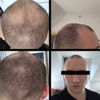
The user experienced significant hair regrowth using finasteride, minoxidil, and a 4,000-graft hair transplant performed by Dr. Nader in Reynosa, Mexico. The results were natural-looking, and the user plans a second transplant for additional density if needed.
The user switched from oral to topical finasteride with minoxidil after a hair transplant and is experiencing increased hair growth in unexpected areas like eyebrows and sideburns. They are seeking feedback from others with similar experiences.
A 44-year-old is experiencing rapid hair thinning after weight loss, despite using finasteride for two years. They have added minoxidil, vitamins, ketoconazole shampoo, derma stamping, and are considering PRP treatment while slowly introducing dutasteride.
The conversation discusses hair thinning potentially linked to gut health issues and suggests biotin as a possible treatment. It also mentions that hair thinning could be due to male pattern baldness (MPB).
The hair transplant has a straight, unnatural-looking hairline that many find unappealing. The person is not using finasteride or minoxidil, which may affect future hair retention.
A user's decision to shave their head after struggling with hair loss for seven years, and the medications and treatments they are using to attempt regrowth. They also discuss potential future treatments that may come out in the near future.
A 25-year-old male using 1mg Finasteride and 5% Minoxidil for hair loss experienced stabilized scalp hair but began noticing beard shedding. Users suggest that Finasteride can slow beard growth, and some recommend using Minoxidil on the beard to counteract thinning.
A user successfully regrew hair using 1mg finasteride, switching to 0.5mg dutasteride, and maintaining 5mg oral minoxidil, with significant improvements noted after switching to dutasteride. The user experienced shedding phases but ultimately achieved regrowth and is now comfortable without wearing a hat.
Minoxidil can be applied to the entire scalp, including the hairline, despite labels suggesting otherwise due to lack of specific testing. For best results in treating hair loss, combining minoxidil with finasteride is recommended, as finasteride addresses the underlying cause of male pattern baldness.
The conversation humorously discusses hair loss treatments, suggesting minoxidil, finasteride, dutasteride, nizoral shampoo, and various unconventional methods. It also includes jokes about hairlines and the effectiveness of these treatments.
Hair loss treatment using 1.25 Finasteride Teva daily, Folcare Minoxidil 5% 2x a day, dermarolling, Nizoral, Hask biotin boost shampoo, and 5000mg biotin pill. User unsure if experiencing regrowth or just growth, especially in crown area.
A 21-year-old male is experiencing hair shedding, possibly due to stress from a breakup, and is using minoxidil and drinking green tea to address it. Others suggest stress as a cause and recommend consulting a dermatologist if it persists.
A 30-year-old with a family history of receding hairlines is considering starting finasteride due to gradual hairline recession. They are seeking advice on whether to begin treatment or if they are worrying unnecessarily.
Oral minoxidil and spironolactone helped restore the hairline but not the scalp behind it. Hairline and temples often respond first to treatment, with mid-scalp and crown following later.
A 24 year old male struggling with the physical and mental effects of balding, being short, and having a micropenis. Suggested treatments include taking medications such as finasteride and minoxidil, lifting weights, and trying not to compare himself to others.
A 48-year-old man has been using minoxidil for 15 years and considered finasteride but stopped due to potential side effects. He is concerned about his mental health and the impact of hair loss on self-image, and he encourages support among men experiencing hair loss.
The conversation is about someone starting treatment for hairline thinning with 1mg finasteride, 5% minoxidil, and vitamin D3 supplements, and asking for advice on dermarolling. Another person reassures them that they still have a lot of hair and could maintain or regrow hair with the treatment.
The user is concerned about hair loss and is considering treatments like finasteride and minoxidil but is unsure about their effectiveness and side effects. They have experienced mixed reactions to shaving their head and are struggling with confidence due to balding.
A 24-year-old with male pattern baldness experienced side effects from oral finasteride and switched to a topical minoxidil/finasteride combination, later incorporating daily shampooing and scalp brushing to manage hair loss and dandruff. After initial shedding, the regimen led to reduced hair loss and new hair growth, with the user now using a densita mf combination (5% minoxidil/0.1% finasteride + redensyl) nightly.
Hair loss and potential treatments, primarily focusing on Finasteride and Minoxidil. Other solutions discussed include PRP, dermarolling, LLP, and scalp tension relief.
The user is treating hair loss with 1mg finasteride every other day, daily topical minoxidil, and weekly derma rolling, and is considering using hair fibers for special occasions. There is a discussion about the initial shedding phase of minoxidil treatment and the importance of consistent photo conditions to track progress.
The user is experiencing thinning at the temporal points and has been using minoxidil, dermarolling, and a mixture of natural oils to improve hair growth. They are considering finasteride as a potential treatment based on shared information.
A 60-year-old man experienced significant hair regrowth over four months using a topical solution with finasteride 0.3% and minoxidil 6%. The progress is impressive, especially given his 20-year history of a bald spot.
People are hopeful for a permanent hair loss solution by the 2030s, considering options like hair cloning and treatments like pp405. Synthetic hair transplants have been attempted but are not effective long-term.
A 15-year-old experiencing severe diffuse thinning plans to use minoxidil, dermarolling, and possibly ketoconazole, with hopes to later incorporate finasteride. Concerns about starting finasteride too young and the need for a dermatologist consultation are discussed.
You cannot donate blood if you are taking finasteride or dutasteride due to potential risks to pregnant women. Finasteride has a shorter wait time to donate blood compared to dutasteride, and both oral and topical forms can disqualify you from donating.
A user is experiencing hair thinning and is using a peptide with oleanic acid as a DHT blocker, along with minoxidil, while waiting for topical finasteride. They plan to use a combination of minoxidil, finasteride, dermastamp, ketoconazole, and scalp massages, but are advised to stick to proven treatments like finasteride and minoxidil.
The user showed a one-year hair regrowth progress using finasteride only, after stopping minoxidil due to its toxicity to cats. They noticed hair growth around six or seven months into treatment.