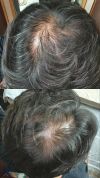
Managing seborrheic dermatitis using ketoconazole shampoo, Nizoral, and oils like MCT and coconut oil. The user considers shaving their head and consulting a dermatologist.
A 26-year-old is considering switching from a regimen of minoxidil, finasteride, and RU58841 to possibly include pyrilutamide due to insufficient results in slowing hair loss. They are seeking advice on whether to add pyrilutamide or replace RU58841 with it, considering cost and effectiveness.
A 25-year-old male is happy with his hair regrowth progress after using Dutasteride (0.5mg), Minoxidil (5mg), Zinc, and Biotin for nearly five months. He reports visible improvement, reduced insecurity, and shares cost details of his treatment in Chile.
Ketoconazole shampoo may help with early-stage hair loss by stopping hair regression and promoting new hair growth, though its effectiveness as a DHT blocker is debated. Users report varying results, with some experiencing dryness and others seeing improvement when used 2-3 times a week.
The user shared their hair loss progress using finasteride, topical minoxidil, dutasteride, and oral minoxidil, reporting no side effects. They noted significant improvement despite a family history of baldness.
A 33-year-old experienced hairline improvement using finasteride and minoxidil, later stopping minoxidil while continuing ketoconazole shampoo. Initial side effects included shedding, reduced libido, and anxiety, but these resolved, leading to a full hairline recovery.
A 25-year-old shared progress pictures after using finasteride 1mg daily for 6 months and dutasteride 1.5mg daily for another 6 months, noting significant hair regrowth, especially in the temporal peaks, with no side effects. The user switched from finasteride to dutasteride for more effective treatment.
A user successfully halted hair loss using finasteride for 17 years and recently switched to dutasteride for stronger DHT suppression. They experienced no major side effects, maintained a full head of hair, and fathered three children without issues.
The conversation humorously discusses the unfairness of hair loss, highlighting various treatments like finasteride, minoxidil, red light therapy, and experimental drugs, while contrasting with people who have great hair despite unhealthy lifestyles. The original poster mentions experiencing side effects from switching to oral finasteride.
The user experienced hair growth using 5% topical Minoxidil foam twice daily from October 2024 to February 2025, without using finasteride due to family history of side effects. The user is considering other treatments like topical finasteride and received positive feedback on their progress.
The user shared a 6-month progress update on hair regrowth using Minoxidil and 5 months of Finasteride, along with a hair transplant of 4,200 grafts. Commenters reacted positively, discussing the effectiveness of these treatments and the impact on self-image.
A user discusses an Iranian hair loss treatment brought by their mom, questioning its effectiveness. Replies mention that Kopexil, an ingredient in the product, is different from Minoxidil and less tested.
User achieved hair regrowth using 1 mg oral finasteride, topical minoxidil twice daily, and occasional microneedling. They are happy with the progress despite still having thin hair on top.
A 17-year-old has been using topical minoxidil and finasteride for hair loss but is advised by a dermatologist to taper off due to age concerns. Other users suggest continuing minoxidil but stopping finasteride until at least 18, and consulting a specialized pediatric dermatologist.
Clascoterone 5% solution (Breezula) is a promising alternative for androgenetic alopecia, showing continued hair growth with consistent use and no significant side effects. It may be suitable for those who cannot tolerate finasteride or dutasteride, especially when trying to conceive.
Finasteride has been effective for maintaining hair density, but due to a slight dip in temple hair, the user switched to dutasteride as an additional measure. Users discuss varying experiences with side effects from finasteride, dutasteride, and minoxidil, highlighting that reactions can differ significantly among individuals.
A 21-year-old is experiencing severe hair loss despite using finasteride and minoxidil, and plans to try dutasteride. Others share similar struggles and suggest various treatments like RU58841, spironolactone, and hair systems, while emphasizing the emotional impact of hair loss.
A 33-year-old attempted hair regrowth after 10 years of baldness using topical finasteride, minoxidil, micro-needling, a laser cap, and later oral dutasteride. They noticed some regrowth, especially vellus hairs, and are considering a hair transplant or other treatments despite side effects.
The conversation suggests that abstaining from ejaculation for a few months may help stop or reverse hair loss by potentially increasing testosterone and reducing DHT levels. It also mentions the use of minoxidil and finasteride as effective treatments for maintaining hair after a hair transplant.
Topical Clascoterone showed a 539% improvement in hair count compared to placebo, but its effectiveness and safety are debated. Users compared it to minoxidil and finasteride, with mixed opinions on its potential release in 2026 or 2027.
The user has experienced significant hair regrowth over 2 years and 3 months using 0.5mg dutasteride and 5mg oral minoxidil, with noticeable improvement in the temples and crown. The user is considering a hair transplant but is encouraged by others to continue with the current treatment due to the impressive results.
PP405's effectiveness in increasing hair density is questioned due to a small sample size, despite investment from Google Ventures. Users express skepticism and suggest waiting for more conclusive results.
Dutasteride is more effective than finasteride for hair loss, especially at the crown and midscalp, but both have similar side-effect profiles with low incidence of sexual adverse events. Improvement is measured visually, and significant results may take over 12 months to appear.
The user is considering stopping finasteride after 1.8 years due to concerns about side effects and is exploring alternatives like minoxidil and topical finasteride. They are also considering microneedling and are advised to wait for new treatments like breezula/clascoterone.
A new hair loss treatment claims a 539% improvement over placebo, but skepticism remains due to lack of substantial evidence and reliance on percentage figures. Users discuss the effectiveness of existing treatments like Minoxidil and Finasteride, expressing doubt about the new solution's impact.
Oral minoxidil may cause temporary facial puffiness, leading to a perception of accelerated aging, but it doesn't cause actual aging. Concerns about hair loss and treatments like minoxidil and finasteride are discussed, with suggestions to use tretinoin and sunscreen to mitigate potential side effects.
The user has been using finasteride for over a year and topical minoxidil since March, noticing small hairs but no significant regrowth. Suggestions include continuing the current treatment, considering microneedling, and possibly trying oral minoxidil for better results.
The user experienced significant hair regrowth using 1mg finasteride every other day, 5% minoxidil twice daily, and ketoconazole shampoo. The progress was noted as impressive, with some users questioning the authenticity of the results.
The user shares their experience with hair loss treatments, including oral finasteride, oral minoxidil, and a topical lotion for dandruff, expressing dissatisfaction with past treatments like PRP and hair transplants. They seek advice on a DNA test to determine suitable medications and express frustration with dermatologists' advice.
The user is experiencing hair regrowth after five months on a treatment regimen including Musely's bloom+ pill (Minoxidil and Dutasteride), Nizoral, and microneedling. They are optimistic about the results and have not experienced any side effects.