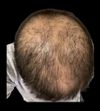
Hair loss affects confidence, with discussions on treatments like finasteride, minoxidil, and RU58841. Emphasis is placed on self-acceptance and building confidence beyond appearance.
Ketoconazole shampoo does not significantly reduce systemic or scalp DHT levels and is mainly used for its anti-fungal and anti-inflammatory effects. It is not a replacement for finasteride, which is recommended by some users despite concerns about side effects.
The user experienced a severe hair shedding phase after switching to a combination pill of finasteride, minoxidil, and B12, but the shedding has now significantly reduced. Other users shared similar experiences, noting that shedding can be a sign of treatment effectiveness.
Using a low dose of topical Tamoxifen effectively reduces gynecomastia caused by finasteride, with minimal side effects. The solution involves mixing Tamoxifen with ethanol and propylene glycol, applied daily to the chest.
The user experienced significant hair regrowth using finasteride for 9 months and minoxidil foam for 2.5 months, with minimal side effects. Hair thickening was noticed after 4-5 months, with no significant shedding.
A user shared their positive experience with hair regrowth using finasteride, minoxidil, dermastamping, and keto shampoo, noting significant improvement in four months without major side effects. They encouraged others to start treatment early and shared tips for application and tracking progress.
A young person is distressed about rapid hair loss despite using finasteride and recently starting oral minoxidil. Many suggest continuing treatment, considering dutasteride, and seeking therapy for mental health support.
Minoxidil is highly toxic to cats, and even small amounts can be fatal. The user decided against using topical minoxidil due to the risk to their cats and considered oral minoxidil and ketoconazole shampoo as alternatives.
The conversation discusses unconventional methods of taking finasteride, with suggestions ranging from crushing it into coffee to using pill boxes or reminders. Users also humorously suggest alternative methods like mixing with food or drinks, but generally advise against altering the pill's form.
The user is experiencing erectile dysfunction and emotional numbness, possibly due to using Dutasteride for hair loss, and is considering switching back to Finasteride. They are seeking advice on whether this change might resolve their symptoms.
The conversation discusses hair regrowth progress using finasteride, with suggestions to add minoxidil and microneedling for better results. The user experienced noticeable improvement and plans to consider a hair transplant.
Nicotine use, especially from vaping, may worsen hair shedding and reduce the effectiveness of finasteride and dutasteride. Quitting nicotine seems to improve hair health.
PP405 is progressing to Phase 2b trials, with results expected in late 2025 or early 2026, and potential Phase 3 trials in 2026. Some users experienced side effects from finasteride and are hopeful for PP405 as an alternative treatment.
A 28-year-old male shares his hair loss journey, starting with a hair transplant in February 2024 and using finasteride, later switching to dutasteride in January 2025. He has not used minoxidil and is satisfied with the results, despite some side effects like temporary nipple pain and a spike in libido.
Dutasteride and finasteride have similar risks of sexual dysfunction for treating androgenetic alopecia. Users experience varying side effects, indicating individual differences in drug reactions.
A 22-year-old male experienced positive hair regrowth after using oral minoxidil and finasteride for over four months, noting slight changes in hair density. He initially used topical minoxidil but switched to oral due to having pets, experiencing minimal shedding and no significant side effects after initial lethargy from finasteride.
A 25-year-old shared progress in hair regrowth after 7 months using dutasteride, minoxidil, and microneedling, noting some baby hair growth on the temples. The user plans to continue this treatment, having found it effective despite some initial shedding and challenges with styling due to topical minoxidil.
Belgium disagrees with the EMA and does not authorize the 1 mg oral form of finasteride for androgenic alopecia, citing a negative benefit-risk ratio. Despite this, some individuals in Belgium can still obtain finasteride through prescriptions, and there is debate over its mental health risks versus its benefits for hair loss and other health issues.
The user experienced significant hair regrowth after 6 months using a regimen of 1mg Finasteride daily, 5% Minoxidil foam twice daily, Nizoral shampoo twice a week, and Moroccanoil Scalp Balance shampoo and conditioner. The user reported no side effects from Finasteride and noted a change in hair texture during treatment.
PP405 is a potential hair loss treatment that may work by blocking signals that cause hair cells to stop growing, requiring daily application for effectiveness. It could serve as an alternative to minoxidil and finasteride, but it is not yet available on the market and may take several years to be released.
A 23-year-old male experienced initial success with finasteride, topical minoxidil, and ketoconazole for hair loss, but persistent shedding and scalp issues led him to switch to dutasteride without improvement. Users suggest stress management, addressing potential seborrheic dermatitis, and patience with the treatment process.
It's not too late to start hair loss treatment at 40. Consider using a combination of finasteride or dutasteride with minoxidil, and be patient for results.
Justin Bieber has had multiple hair transplants, with discussions on the cost and quality in places like Turkey. Despite using treatments like finasteride, his hairline appears unnatural to some.
Kevin Mann avoids dutasteride because it comes in gelatin capsules, which he avoids as a vegan, and he is satisfied with finasteride's results. He prefers finasteride due to more long-term research and follows the principle of "if it ain't broke, don't fix it."
RU58841 may pose cancer risks due to its antiandrogen properties and lack of long-term safety data. Using it is considered a high-risk experiment with unknown potential for harm.
A user proposed an alternative hair loss treatment stack using topical caffeine, copper, microneedling, and red light as a natural option for those experiencing side effects from finasteride or minoxidil. Other users expressed skepticism, emphasizing that finasteride and minoxidil remain the most effective treatments, while the proposed alternatives are unlikely to provide long-term results.
A user shared their experience with a beard-to-scalp hair transplant, noting no visible scars and improved hair density using finasteride and minoxidil. The conversation discusses the differences between beard and scalp hair, potential changes in hair texture, and the use of beard hair for increased scalp coverage.
A user shared their positive experience 12 months after a hair transplant with 4052 grafts and 10130 hairs, using finasteride, red light therapy, B12, biotin, and rosemary oil. They are satisfied with the results and recommend these treatments.
The user experienced significant hair regrowth by using a combination of finasteride, oral minoxidil, and later switching to dutasteride. They initially started with finasteride and topical minoxidil, then moved to oral minoxidil and eventually transitioned from finasteride to dutasteride, which they found more effective.
A user achieved significant hair regrowth from Norwood 3 to a dense Norwood 2 after five months using oral dutasteride, oral minoxidil, and a topical solution with minoxidil, retinoic acid, and hydrocortisone. The user reported no side effects and found the topical treatment especially effective for the hairline.