Current treatments for hair loss include finasteride, minoxidil, and derma rolling. New treatments like Breezula, PP405, and others are not expected until at least 2027 or later.
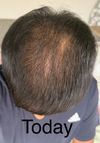
The post discusses a 21-month treatment of hair loss using Finasteride, a 13-month treatment with Minoxidil, and a 2-month treatment with Stemoxydine. Replies suggest enhancing results by adding a micro needling pen and tretinoin to the regimen, and consider Finasteride and Minoxidil as crucial treatments.
The user has been using topical minoxidil, topical finasteride, microneedling, and ketoconazole shampoo for 9 months with positive results but is concerned about recent increased shedding. Another user advises that shedding is normal and suggests continuing the treatments consistently for up to a year to see solid results.
The user is experiencing increased hair shedding and is concerned about regression despite consistent use of finasteride, minoxidil, and other treatments. The consensus is that this is likely a temporary shedding phase, and adjustments to the dermarolling frequency are suggested.
The user has been using dutasteride and oral minoxidil for over three years with good results and is seeking additional treatments to improve hair growth by 10-15%. Suggestions include derma stamping, red light therapy, deep massage, caffeinated shampoos, and biotin supplementation.
The conversation discusses the potential of new hair loss treatments, with a focus on pyrilutamide, gt20029, and topical alfatradiol, and the possibility of improving their effectiveness through methods like increased concentration and microneedling. Dutasteride is also mentioned as a stronger option.
The user has been using finasteride 1.2mg daily, topical minoxidil 1ml daily, tretinoin with topical minoxidil 1ml every other day, and a 1.5mm derma roller every two weeks for 8 months to treat hair loss. The user has posted progress pictures over time.
The conversation is about someone who initially had positive results with Minoxidil for hair loss, lost those gains due to a hospital stay, and is now not seeing the same results upon resuming treatment. They plan to add microneedling and/or tretinoin to their regimen and are seeking success stories from others who did not respond to Minoxidil alone.
Hair regrowth treatments, including stem cell injections, are discussed, with skepticism about their effectiveness compared to Minoxidil and finasteride. Derma stamping is mentioned as effective when used with Minoxidil, finasteride, and dutasteride.
The user has been using 5% minoxidil once daily and microneedling with a 1.5 mm dermaroller weekly for three months, considering increasing minoxidil usage but avoiding finasteride due to libido concerns. Another person suggests considering other treatments like RU58841, alfatradiol, topical finasteride, clascoterone, or saw palmetto since not using a DHT blocker could be less effective.
The user is currently using Minoxidil foam and Dutasteride daily but still experiencing severe hair loss. They are considering adding topical Finasteride, Fluridil, Microneedling, and Tretinoin to their treatment despite the high cost and are seeking suggestions.
New hair loss treatments like PP-405, AMP-303, and SCUBE3 are being discussed, but none are confirmed to fully restore hairlines. Current treatments like Minoxidil, Finasteride, and RU58841 are still widely used, with some hope for future advancements in hair regrowth.
The user plans to resume oral dutasteride, topical minoxidil, and add dermarolling and a laser cap to their hair loss treatment routine. They are seeking advice on optimizing these treatments and are concerned about increased shedding after starting the laser cap.
The conversation discusses the safety and effectiveness of a hair loss drug, GT20029, and the possibility of infrequent application, with users hoping for once-daily use and speculating on the drug's duration of effect on the scalp. Specific treatments mentioned include Minoxidil, finasteride, and RU58841.
There have been no new effective hair loss treatments since finasteride, despite technological advancements. Current treatments include finasteride, minoxidil, and RU58841, with ongoing challenges and potential future solutions in research.
The conversation is about someone considering stopping their hair loss treatment, which includes minoxidil, finasteride, ketoconazole, microneedling, and oral minoxidil, due to lack of visible results. Replies suggest continuing treatment, considering a hair transplant, and trying dutasteride.
Hair loss treatments include finasteride, minoxidil, microneedling, dutasteride, CB-03-01, RU-58841, and experimental options like KY-19382 and stem cell therapy. Some treatments are considered ineffective or risky, such as ketoconazole, PRP, and low-level laser therapy.
A user is worried about hair loss despite using finasteride, oral minoxidil, and keto shampoo for two years and is considering switching to dutasteride. Responses suggest patience, lifestyle changes, or trying additional treatments like microneedling.
Finasteride, minoxidil, and derma rolling are currently the best treatments for hair loss. New treatments like TDM-105795, GT20029, PP405, HMI 115, Tsuji, Scube 3, RU, JW0061, Topilutamide, and verteporfin show promise but have uncertain timelines.
A user shares their experience with hair loss treatments, including oral Dutasteride, topical Minoxidil, and Tretinoin, despite seeing no results after six months. They encourage others to continue treatments and consider options like oral Minoxidil, Nizoral shampoo, and possibly hair transplants.
The user has been using oral finasteride, topical minoxidil, and a dermaroller for hair regrowth, noticing most improvement between months 3 and 4. Other users commented on the positive results and shared their own treatment routines.
Using Tretinoin every other day with daily Minoxidil may help with hair regrowth, and some users find it more effective than daily use. There are concerns about irritation and absorption, but small amounts seem to minimize harm.
The user shared their 6-month progress using 5mg oral minoxidil, 1mg oral finasteride, topical 5% minoxidil, tretinoin, and weekly microneedling, noting improved results after adding these treatments post hair transplant. They hope for continued improvement.
A man used finasteride, minoxidil, and a derma pen for a year to improve hair growth with no significant side effects. He plans to continue the treatment and explore new options.
The conversation discusses exploring new hair loss treatments beyond popular ones like Finasteride, Minoxidil, and Ketoconazole. Specific treatments mentioned include ozone therapy, Dutasteride mesotherapy, RegeneraActiva, microcurrent electrical hair stimulation, Nourkrin, and BioEqua Enercharger.
The user has been using a combination of oral and topical minoxidil, topical finasteride, RU58841, Nizoral, and microneedling for hair loss treatment. They report improvement in hair thickness except for the crown area, which has not changed.
The post discusses frustration over the limited and not always effective treatments for hair loss, mainly Minoxidil and Finasteride. The conversation includes mentions of potential new treatments like GT20029, HMI-115, CosmeRNA, KX-826, and microneedling, but also highlights the challenges of funding and prioritizing research in this area.
Anxious_Bee_67's 4 month progress with a hair loss treatment regimen of 1 mg oral finasteride once a day and topical minoxidil twice a day, which has brought "hope" to others who are fighting the Norwood Reaper. Replies include encouragement for further progress and advice on other treatments that can be used in conjunction with the current ones.
A 21-year-old male has been using finasteride and minoxidil for four months with little progress in hair regrowth, despite adding microneedling and rosemary oil to his routine. Users suggest patience, maintaining the current treatment, and possibly simplifying the routine by dropping rosemary and microneedling.
The user experienced hair regrowth using 0.5mg oral finasteride and the iRestore laser cap every other day, with reduced shedding. They also take collagen peptides and Nutrafol vitamins, though they are unsure of the latter's effectiveness.