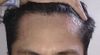
The conversation discusses using minoxidil for hair loss, with one person restarting treatment and combining it with tretinoin, and another person seeing improvement by adding microneedling.
The user is considering using Ruderma to maintain hair and is concerned about potential hair loss acceleration due to starting TRT. They are also inquiring about the use of minoxidil, RU58841, and a derma roller for hair maintenance.
The conversation is about managing a hair loss routine using Minoxidil twice daily, Tretinoin cream once daily at night, and microneedling once daily at night. The user is seeking advice on how to incorporate these treatments effectively without overlapping too much at night.
Exploring different treatments for hair loss, such as cosmeRNA and HMI-115 which are small interference messenger RNA that inhibits the DHT receptor and an antibody that binds to the prolactin (PRL) receptor respectively; and researching mechanism and environment of hyperresponders.
A user is considering a hair transplant in a "mohawk" pattern with scalp micropigmentation (SMP) on the sides and back, questioning its feasibility and appearance. Others discuss donor region quality, potential scarring, and alternative treatments like dutasteride and RU58841.
The conversation is about using tretinoin to improve the response to Minoxidil for hair loss treatment. No specific protocol for tretinoin application is provided.
The efficacy of microneedling for hair regrowth as either a stand-alone therapy or adjunct to Minoxidil, and whether Tretinoin is a safer and more effective option. Replies include personal accounts from users who have had success with microneedling in combination with minoxidil and peptide serums, as well as considerations of technique, depth, and potential scarring.
The user is using dutasteride, oral minoxidil, and topical minoxidil with tretinoin for hair loss. They are considering whether to continue this treatment or opt for a hair transplant for their temples.
Hair cell therapy and follicle cloning are still in experimental stages, with treatments like hair multiplication and regenerative hair therapy being marketed but not yet proven to create unlimited new follicles. There is skepticism about the effectiveness and legitimacy of these treatments, with some considering them scams.
Hair regrowth treatments, including stem cell injections, are discussed, with skepticism about their effectiveness compared to Minoxidil and finasteride. Derma stamping is mentioned as effective when used with Minoxidil, finasteride, and dutasteride.
The user does not respond well to minoxidil and is seeking an alternative to Tretinoin to upregulate sulfurtransferase activity for hair loss treatment. No specific alternative treatments were mentioned.
The user is using a hair loss regimen involving 2ddr applied twice daily, tretinoin weekly, and occasionally micro-needling. They report feeling increased scalp thickness and seeing some hair growth progress.
The user underwent a second hair transplant for the crown and mid-scalp, achieving good density. They are using minoxidil, finasteride, and biotin, and considering PRP treatments to enhance growth.
A 27-year-old male is using a minoxidil and finasteride spray for hairline recession and is considering other treatments like oral minoxidil, exosomes, PRP, or a hair transplant. Suggestions include microneedling, possibly with tretinoin, while another user suggests the hairline is fine and mentions body dysmorphia.
The conversation discusses positive initial trial results for GT20029, a topical compound for hair loss that degrades androgen receptors, potentially requiring only weekly application. Participants express hope for this treatment to be more effective and convenient than current options like Minoxidil, Finasteride, and RU58841.
Combining finasteride with minoxidil and tretinoin is discussed, with concerns about potential overdose. It is suggested that high doses of finasteride do not provide additional benefits beyond 1 mg.
Minoxidil 5% combined with 0.01% tretinoin may be as effective as using minoxidil twice daily. Users discuss switching to oral minoxidil for consistency, with concerns about side effects.
Scalp tension from the occipitalis muscle is theorized to contribute to hair loss, but most believe DHT and genetics are the main causes. Treatments like finasteride and minoxidil are considered more effective than addressing scalp tension.
LLLT (low-level laser therapy) is as effective or better than traditional minoxidil treatment for hair growth, with fewer side effects and improved long-term compliance due to milder adverse effects. Studies show LLLT increases hair density more than minoxidil, but drawbacks include the initial cost and the need for long-term use to see results.
Topical tretinoin can increase the absorption of minoxidil by three times, which may enhance its effectiveness for hair loss treatment. Tretinoin causes increased skin turnover, making the skin more permeable and potentially improving minoxidil's efficacy.
The conversation is about finding the best routine for using microneedling, Minoxidil, and Tretinoin 0.025% for hair loss. The user has been using Minoxidil and microneedling for four months, along with daily finasteride since 2021, but has not noticed any difference.
A user plans to create a DIY topical treatment for hair loss using Rapamycin, possibly combined with alpha-ketoglutaric acid (a-KG). They discuss the concentration and formulation process for Rapamycin, considering safety and skin penetration, and intend to apply it every other day to the scalp.
The conversation is about using tretinoin with minoxidil for hair loss treatment. The user is seeking advice on usage frequency and results after adding tretinoin to their regimen.
The conversation discusses using minoxidil with microneedling and considering tretinoin to enhance hair growth, especially for those who are weak responders to minoxidil. It also explores the potential of using tazarotene, a stronger retinoid, to boost minoxidil's effectiveness and addresses purchasing tretinoin from Germany.
People are discussing using tretinoin gel with minoxidil to improve hair growth, especially for those who didn't respond to minoxidil alone. They apply a mix of tretinoin gel and minoxidil to the scalp, which is said to be more effective than minoxidil by itself.
Using 0.025% tretinoin may enhance minoxidil's effects for hair loss. Users suggest starting with 0.025% and gradually increasing the concentration, and discuss combining treatments like microneedling.