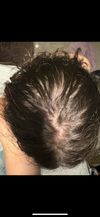
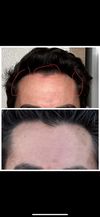
The user is considering using topical finasteride for thinning hair around the middle part, vertex, and crown, and is unsure if the whole scalp is thinning. Another user suggests oral finasteride is more effective than topical, and recommends consulting a dermatologist for proper treatment.
The user reports progress in hair regrowth using a daily routine of 0.5mg Dutasteride, 5% Minoxidil foam, and Olly hair gummies, while discontinuing rosemary water. They are hopeful for continued improvement and have received positive feedback on their progress.
A dermatologist refused to prescribe finasteride due to concerns about recent research linking it to male breast cancer, suggesting a topical alternative with minoxidil instead. The user is advised to seek a second opinion, as the evidence for such risks is inconclusive and the dermatologist's reasoning seems questionable.
The user switched from liquid to foam minoxidil to reduce skin irritation but finds foam harder to apply effectively to the scalp. A suggestion was made to melt the foam into a liquid for easier application.
A 23-year-old woman with androgenetic alopecia (AGA) is using minoxidil, rosemary oil, and dermastamping for hair loss, and is concerned about the effectiveness of minoxidil. She follows a detailed hair care routine and takes supplements like inositol, magnesium, saw palmetto, iron, multivitamins, vitamin D, and B12.
Users discuss their experiences with dutasteride for hair loss, noting varying results such as regrowth, shedding, and side effects. Some users also mention using finasteride, minoxidil, and microneedling, with mixed outcomes on hair quality and side effects.
A dermatologist advised against using minoxidil and finasteride for hair loss, suggesting acceptance instead, but the individual is considering seeking finasteride from a family doctor. The conversation includes suggestions to try online services or pharmacies for obtaining treatments like finasteride, minoxidil, and ketoconazole shampoo.
A 28-year-old male is documenting his early progress with oral finasteride (1mg daily) and oral minoxidil (2.5mg daily) for hair loss, noting some improvement after three months. He also uses supplements, head massages, and a derma roller, with no significant side effects reported.
Stopping finasteride often leads to rapid hair loss, returning to a genetic baseline, as the drug temporarily halts hair loss and promotes regrowth. The discussion explores the complexity of hair loss, suggesting that factors beyond DHT, such as genetics and scalp conditions, may play a role.
The user has been using minoxidil and finasteride for 8 months and is questioning if new baby hairs are growing. Opinions vary, with some suggesting the hairs are signs of regrowth and others suggesting delusion.
A 24-year-old male experienced hair loss and side effects from oral finasteride and minoxidil, but saw progress with a topical solution of minoxidil and finasteride, alongside dermastamping and vitamin supplements. He uses 2% Nizoral and keratin shampoo for hair care.
Microneedling alone may slightly slow hair loss but doesn't promote regrowth or improve hair density. Combining treatments like finasteride or minoxidil with microneedling may yield better results.
The user underwent two hair transplants, started taking finasteride, oral minoxidil, and dutasteride, and began micro-needling to improve hair density and manage hair loss. They also focused on curly hair care techniques, resulting in noticeable improvements in the hairline and overall appearance.
A person has been using 1mg Finasteride for 20 years with no side effects but is now noticing temple thinning and is considering oral Minoxidil, despite concerns about heart health and body hair growth. They are consulting a doctor about possibly taking 1.25 to 2.5 mg of oral Minoxidil.
A 38-year-old user shared their hair loss treatment progress over a year, using dutasteride daily and minoxidil intermittently. They haven't experienced side effects and are considering microneedling.
A user experienced significant hair growth using oral dutasteride and minoxidil but developed severe erectile dysfunction, likely exacerbated by obesity and diabetes. They plan to lose weight and possibly adjust medication to alleviate side effects.
Microneedling at .25 depth may not be as effective as other depths for hair loss treatment. Minoxidil and tretinoin are used, but DHT blockers are also recommended for better results.
The user has been using dutasteride, finasteride, and ketoconazole shampoo for hair loss, recently adding minoxidil and tretinoin, and plans to start microneedling. They advise starting treatments early to maintain hair, as regrowth is more challenging.
The user is documenting their hair loss journey, using oral finasteride since January 2025, and plans to add microneedling and rosemary oil. They have experienced no further hair loss but no gains, and are considering oral minoxidil due to having pets.
A 21-year-old is using finasteride and previously used minoxidil for hairline concerns, considering a hair transplant despite no visible balding. They are advised to continue finasteride as a preventive measure.
The conversation discusses reducing scalp DHT to prevent hair loss, with a focus on using dutasteride, finasteride, and other treatments like RU58841 and minoxidil. It highlights the challenges of managing hair loss while on high testosterone levels, suggesting that dutasteride may be more effective than finasteride in such cases.
Finasteride may be losing effectiveness for the user after 4.5 years, possibly due to intense workouts or a synchronized hair shedding cycle. Suggestions include switching to Dutasteride or continuing with Finasteride while considering a hair transplant for hairline density.
A dermatologist recommended switching from finasteride to dutasteride due to concerns about finasteride's side effects, despite the user not experiencing any. The user is considering transitioning strategies, including stopping finasteride immediately or overlapping both medications.
The user experienced significant hair loss after starting dutasteride, despite improved libido and gym performance. They previously used finasteride but stopped due to side effects and are considering combining treatments or a hair transplant.
Lifestyle factors like diet, stress, and nutrient deficiencies can impact hair regrowth, but their effects vary among individuals. Treatments mentioned include finasteride, dutasteride, and minoxidil.
The user shared their 3-month progress using Minoxidil, Finasteride, rosemary oil, and dermarolling, reporting no side effects and healthier, thicker hair. They recommend these treatments and plan to complete their hairline in 6-9 months.
A user shared progress pictures after one year of using 2.5mg Minoxidil and 1.25mg Finasteride for hair loss. The discussion includes suggestions for additional treatments like dermastamping, dutasteride, and increasing Minoxidil dosage, with mixed opinions on the effectiveness of current treatments.
A 41-year-old has been using finasteride for 16 years with great results but is now experiencing temporal hair loss. Suggestions include switching to dutasteride, adding oral minoxidil, and considering a combination of treatments, while noting that supplements and weightlifting likely don't interfere with finasteride's effectiveness.