The conversation discusses alternatives to Dr. B's hair loss treatments, specifically mentioning Minoxidil, Finasteride, and RU58841. A user notes a price discrepancy on a website.
The conversation discusses the completion of a Phase II trial recruitment for Breezula (CB-03-01), a potential treatment for androgenic alopecia. Specific treatments mentioned include Minoxidil, Finasteride, and RU58841.
High estradiol levels may contribute to erectile dysfunction (ED) and can be addressed with lifestyle changes or medication. It's important to consult a medical professional for treatment options.
Hair cell therapy and follicle cloning are still in experimental stages, with treatments like hair multiplication and regenerative hair therapy being marketed but not yet proven to create unlimited new follicles. There is skepticism about the effectiveness and legitimacy of these treatments, with some considering them scams.
The conversation discusses starting hair loss treatments and concerns about side effects. Treatments mentioned include Minoxidil, finasteride, and RU58841.
The conversation discusses alternative and unorthodox hair loss treatments, including RU58841, nandrolone, and dianabol, as well as theoretical approaches involving high doses of estrogen and selective estrogen receptor modulators. These methods are considered extreme and potentially harmful but are explored for those unable to tolerate traditional 5-alpha reductase inhibitors.
The user is experiencing continued hair loss despite using minoxidil, finasteride, tretinoin, and microneedling. They are considering a hair transplant due to lack of response to current treatments.
The conversation discusses the delay in bringing FAK inhibitors and Stanford's hydrogel to market for hair transplants, with a preference for FAK inhibitors over Verteporfin due to their superior potential in preventing scarring. The user expresses frustration over the slow progress and hopes for faster development by companies like FAKnostics.
A 27-year-old male experienced significant hair shedding after switching from minoxidil to oral finasteride for hair loss treatment. Despite being healthy and using finasteride for nearly 100 days, he noticed increased shedding and is seeking support and success stories from others.
A 20-year-old has seen no improvement in hair loss after 8 months using finasteride, minoxidil, topical solutions, and microneedling. They express frustration and a loss of confidence due to the lack of results.
Hair loss treatments, specifically about the effectiveness of RU58841 compared to Pyrilutamide. Molecular weights and side effects were discussed in terms of efficacy and cost-effectiveness.
The conversation is about seeking hairline regrowth results using RU58841, dermarolling, and Nizoral. The user cannot tolerate finasteride and finds minoxidil ineffective.
Dr. Bloxham's trial is testing verteporfin on hair transplant patients to see if it can improve hair regrowth in treated areas. People are discussing the potential for follicle regeneration, expected results timeline, and concerns about side effects like cancer.
Considering alternative treatments to hair loss, such as platelet-rich plasma (PRP) and exosome therapy, instead of using medications like minoxidil, finasteride/dutasteride.
The conversation discusses hair loss treatments, specifically Rogaine and Finasteride, with concerns about Finasteride's potential sexual side effects. Users share personal experiences, with some switching to Dutasteride for better results, and others reporting hair regrowth without side effects.
Jericho1017 shared their hair regrowth results after nearly 3 years using 1mg finasteride and 10,000mcg biotin daily, with noticeable improvement after 1.5 years and no significant side effects except for watery semen. Some users suggested adding minoxidil and microneedling to improve results, but Jericho1017 is currently content with their progress and not looking to add more treatments.
A 31-year-old with diffuse thinning experienced significant hair regrowth after nearly 5 months on Finasteride 0.75mg MWF. Despite initial side effects like testicle pain and reduced sex drive, these issues resolved, and positive effects included reduced nighttime urination and scalp itching.
A 20-year-old male experiencing hair loss since age 17 has been using 1mg finasteride for four months and inconsistently used 5% topical minoxidil for three months. He is experiencing increased shedding and questions whether it's due to stopping minoxidil or if finasteride is ineffective.
Finasteride has no effect on the user's estradiol levels, and body fat may influence aromatization. The user is on testosterone replacement therapy and uses everyday injections to manage high RBC count, with plans to measure DHT, DHEA-S, and pregnenolone levels.
Kintor Pharmaceutical's KX-826 shows promising results for hair loss treatment. Users discuss the use of anti-androgens like spironolactone and RU58841, noting concerns about concentration and safety.
The user experienced severe hair shedding from RU58841 and recovered by stopping its use and starting treatments including Minoxidil, Rosemary Verbenone, Stemoxydine, Aminexil, copper peptide serum, and specific shampoos. They also consistently used oral Finasteride and plan to try Minoxidil 10%.
The user started finasteride in January 2025 and experienced increased hair shedding by March 2025, despite initial improvements from PRP treatment. They are concerned but have read that this shedding might be a temporary phase of the finasteride treatment.
A 47-year-old used finasteride and minoxidil for a year without results and is concerned about whether it's too late to regrow hair. Another user suggests continuing the treatments and adding microneedling for potentially better results, emphasizing patience.
Epristeride is a selective 5 alpha reductase type 2 inhibitor that may reduce scalp DHT similarly to finasteride, with potentially fewer side effects. It is suggested that combining epristeride with finasteride or dutasteride could enhance hair loss treatment effectiveness.
PP405 shows promise in hair loss treatment, but stem cell therapy using adipose-derived stem cells and ATP also successfully reversed androgenetic alopecia in mice. Stem cell therapy is costly, and some doubt the effectiveness of PP405 based on press releases.
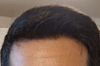
The user has been using finasteride, minoxidil, microneedling, PRP, and ProCell therapy for hair loss but sees no progress after nine months. They are considering switching to dutasteride and possibly a hair transplant, with suggestions to add oral minoxidil.
A user reported worsening hair shedding and thinning after 6 months of daily dutasteride, despite also using minoxidil, bicalutamide, and recently adding RU58841. They are considering stopping dutasteride due to lack of improvement.
Finasteride and dutasteride are discussed for hair loss, with concerns about their effects on neurosteroids and potential side effects like depression. Alternatives like topical estrogen and lifestyle changes are considered, with varying opinions on mental health and hair regrowth.