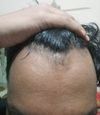
The user regrets stopping finasteride and minoxidil due to increased hair loss. They have resumed these treatments and are considering a hair transplant.
Topical dutasteride with microneedling is effective for androgenetic alopecia, improving hair thickness and density. Further research is needed to confirm long-term efficacy.
OP shares their experience with PCOS-related hair loss, highlighting that addressing vitamin D and ferritin deficiencies, managing hormones with spironolactone, and using gentle hair care products helped improve their condition. They advise against relying on "miracle" hair oils and emphasize the importance of medical evaluation and a combined approach to treatment.
Switching from topical to oral minoxidil and whether to continue microneedling. Users suggest using a derma stamp instead of a roller for better results and safety, and some recommend combining it with oils like rosemary.
A teenager experiencing hair loss is using minoxidil, a derma roller, and plans to add ketoconazole shampoo to their routine. They are advised to continue this regimen consistently for at least six months to see results, with the shedding being a normal part of the process.
A user started using RU58841 for hair loss and experienced anxiety and physical discomfort. Other users suggested avoiding the treatment due to similar side effects and recommended alternative treatments like pyri.
A user who was able to get dutasteride for free with their insurance, and another user mentioning that finasteride is only covered if it is used for medical reasons.
The conversation discusses updates on hair loss treatments, specifically GT20029, PP405, and a rumored injectable peptide from UT. GT20029 is seen as a promising treatment expected within 5-7 years.
A potential non-invasive topical treatment targeting the WNT Signaling Pathway for hair regeneration is being researched, with positive results on human hair follicle cells. Current effective treatments for hair loss include Minoxidil, finasteride, and hair transplantation.
A user is 8 months into treating hair loss with finasteride, minoxidil, ketoconazole, and pyrilutamide, but feels their condition is worsening. They are considering increasing their finasteride dosage due to aggressive hair loss and are experiencing scalp itchiness.
A user shared their positive 3-month experience using finasteride, minoxidil, and vitamin D to treat hair loss, noting significant regrowth and minimal shedding. They also discussed potential side effects and the low likelihood of experiencing them, while being open to answering further questions.
A user shared their one-year progress using finasteride for hair regrowth, noting significant improvement and additional benefits from two months of minoxidil use. They reported no side effects from finasteride and attributed most regrowth to it, with minoxidil darkening their hair.
White rice may lower DHT and potentially cause symptoms similar to post-finasteride syndrome. The user experienced muscle wasting, depression, and other symptoms after consuming large amounts of white rice.
The conversation is about the potential impact of RU58841 on male fertility, specifically regarding sperm concentration, total count, and motility. The user is curious about the likelihood of RU58841 reducing fertility based on its mechanism of action and comparisons to similar substances.
The user stopped finasteride for family planning but plans to restart it and is considering dutasteride. Users discuss the safety of finasteride during family planning, with some sharing experiences of having healthy children while on the medication.
The user is asking about the safety of using RU58841 when trying to conceive and if others have had healthy babies after using it. They are seeking advice on how long to take a break from RU58841 before attempting to have a baby.
A user shared his experience of having two healthy children while continuously using finasteride (Fin) for hair loss, challenging fears about its potential impact on fetal development. The discussion that followed included various perspectives, with some users sharing similar experiences, others expressing concerns about potential risks, and some emphasizing the need for more substantial evidence before drawing conclusions.
Concerns about the impact of hair loss treatments like finasteride on fertility and future children. The user is worried about reduced sperm count and quality due to lowered DHT levels.
Replicel's results were delayed, but Shiseido might share data at BioJapan on October 11. Users are hopeful for new treatments like RCH-01, potentially eliminating the need for finasteride or minoxidil.
People discussed their experiences with hair loss medications like finasteride and minoxidil affecting fertility. Some had successful pregnancies while on these medications, others took breaks from the medications when trying to conceive, and there were mixed opinions on the necessity of stopping treatment for conception and pregnancy.
Pregnancy can temporarily reverse hair loss in women, but attempts to mimic pregnancy hormones with treatments like contraceptive pills, spironolactone, estradiol, progesterone, finasteride, and minoxidil have been ineffective. The discussion highlights the need for research into the hormonal mechanisms of pregnancy that affect hair regrowth.
The conversation discusses concerns about the effectiveness of RU58841 due to high temperatures during delivery. A user reassures that the heat will not affect its efficacy.
A transgender woman experienced significant hair regrowth after 18 months of hormone replacement therapy (HRT) with estrogen and bicalutamide. The discussion notes HRT's effectiveness for hair regrowth but warns against its use for cisgender men due to feminizing effects.
A transwoman shared her 11-month progress using hormone replacement therapy (HRT), finasteride, and minoxidil, reporting significant hair regrowth and satisfaction with the results. The discussion included various perspectives on HRT, its effects on hair and sexual function, and personal experiences with similar treatments.
The conversation is about using finasteride and testosterone replacement therapy (TRT) for hair loss and their role in gender-affirming care. It debates whether these treatments are considered hormone replacement therapy (HRT) and their implications for both cisgender and transgender individuals.
Concerns about the long-term effects of dutasteride and finasteride on fertility, with discussions on cycling these medications to mitigate risks. The conversation highlights skepticism about study methodologies and the importance of weighing treatment risks against potential fertility issues.
Hair loss is distressing, with treatments like finasteride, minoxidil, and spironolactone commonly used despite potential side effects. Emphasis is placed on maintaining mental health and self-worth beyond hair appearance.
RU58841 is being discussed for its effects on hair loss. The user has started using RU58841 with finasteride and is curious about its potential for hair maintenance or regrowth.
The user is considering resuming finasteride after a 6-month break and is debating the necessity of extensive blood work, including hormone and health markers, to establish a baseline. They are unsure if the tests are necessary since they experienced no side effects previously.