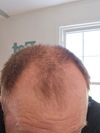
Hair loss treatments discussed include 200mg Spiro, bicalutamide, and finasteride. Endocrinologist advises against bicalutamide and finasteride due to potency and risks.
The conversation is about determining which type of Saw Palmetto, either Chamaerops humilis or Serenoa repens, is effective for inhibiting the 5 alpha reductase enzyme related to hair loss. Specific treatments mentioned are Minoxidil, finasteride, and RU58841.
A user expressed concern about using low-dose topical finasteride while conceiving, but was reassured that the risk of affecting a fetus is negligible. The user stopped using finasteride during pregnancy and switched to minoxidil and ketoconazole, while others shared experiences and advice on using these treatments safely.
A 30-year-old man is considering quitting Finasteride due to sexual side effects, including reduced libido and difficulty reaching orgasm, despite its effectiveness in treating hair loss. He is exploring other factors like relationship issues and potential low testosterone, and is considering getting blood work done.
A user shared their successful hair regrowth journey using 1mg finasteride daily, 1ml minoxidil nightly, and weekly 1.5mm microneedling. They reported some side effects like reduced semen thickness but are satisfied with the results and recommend topical minoxidil over oral.
The user experienced hair thinning and used Minoxidil and Finasteride over 20+ years, with periods of stopping and restarting treatment, and eventually had a hair transplant. They are considering restarting Minoxidil and Finasteride and are curious about the effectiveness and potential shedding after resuming the treatment.
A 27-year-old male experiencing increased hair loss despite using 0.5mg dutasteride daily, minoxidil nightly, and optimizing vitamin D, is considering zinc supplementation and seeking a dermatology referral. Concerns about potential shedding, thyroid levels, and zinc dosage are discussed, with advice to monitor and avoid over-supplementation.
The conversation discusses hair shedding after starting a treatment regimen including topical dutasteride, RU58841, minoxidil, and keto shampoo. Shedding is considered normal, and users suggest adjustments like increasing dutasteride dosage or using oral medications for better results.
A 43-year-old male seeks advice on hair regrowth options, considering treatments like Minoxidil, finasteride, and RU58841, or possibly a hair transplant. He has low testosterone and a family history of balding.
Hair loss discussion includes potential HMI-115 treatment. Topical mucuna pruriens shows good results, blocking prolactin possibly more important than blocking DHT.
The conversation discusses hair loss treatments, including dutasteride, oral minoxidil, finasteride, and potential additions like topical finasteride, minoxidil, micro-needling, and topical anti-androgens such as RU58841. The effectiveness and worth of these treatments, including localized dutasteride mesotherapy, are considered.
The user shared their experience with dutasteride for hair loss prevention, noting side effects like muscle weakness and brain fog, and observed increased testosterone levels. They recommend starting with a low dose and adjusting based on individual needs and blood work results.
The conversation discusses the effectiveness of reducing DHT for hair loss treatment and explores alternative approaches like reducing androgen receptor sensitivity. Specific treatments mentioned include finasteride, dutasteride, pyrilutamide (KX-826), GT20029, and RU58841.
The user experienced significant hair regrowth using finasteride, minoxidil, and other treatments but faced side effects like reduced libido and erectile issues. They are considering switching to Adgain Plus to improve hair health without affecting sexual health.
The conversation discusses the potential use of thermal paper receipts, which contain estrogen, as a treatment for hair loss. Participants humorously debate its effectiveness compared to established treatments like Minoxidil and finasteride.
The user has been using finasteride, minoxidil, and dermastamping, and started HRT 4 months ago but feels discouraged about progress. Other users see significant improvement and offer encouragement.
Low vitamin D levels can negatively impact hair growth, and supplementing with vitamin D, along with treatments like finasteride and minoxidil, may help improve hair health. Quitting smoking and ensuring adequate vitamin B12 and K2 intake are also suggested to support hair regrowth.
The conversation discusses using Tribulus Terrestris and Zinc to boost libido while on finasteride, with some users reporting success in increasing libido despite no testosterone boost. The original poster also considers reducing finasteride dosage and using Cialis for libido and bodybuilding purposes.
A 24-year-old male is experiencing hair loss and considering treatments like finasteride and minoxidil after noticing low levels of Vitamin D, iron, and testosterone. Users discuss the effectiveness of these treatments and the importance of consulting a dermatologist, while also mentioning potential side effects of finasteride.
Trans woman experiencing thinning hair despite low testosterone and finasteride use seeks possible causes and solutions. Current treatments include finasteride, spironolactone, estradiol, vitamins, and microneedling; minoxidil not tried due to concerns about dependence and side effects.
A user's experience with hair loss and their consideration of using finasteride, minoxidil, RU58841, stemoxydine, fluridil, and peptide serum with redensyl as treatment options.
A user is planning to get extensive blood tests before starting Finasteride and is seeking advice on which tests are necessary. They are concerned about the cost and potential redundancy of some tests.
The user is experiencing reduced climax sensation and decreased volume while on Finasteride for hair loss. They are considering whether lifestyle changes or time might improve these side effects.
The conversation discusses hair loss treatments like topical finasteride with minoxidil, oral dutasteride, and essential oils. Oral treatments like dutasteride and finasteride are seen as more effective, though some prefer topicals to avoid side effects.
The conversation discusses the use of spironolactone, cyproterone acetate, and bicalutamide for hair loss, with concerns about side effects like gynecomastia and depression. Topical spironolactone is considered safe for men and effective when combined with regular treatments.
Iron supplementation may be more effective than Minoxidil for hair loss. Checking ferritin levels is important, as both low and high levels can affect health.
A 25-year-old male experiencing hair loss and thinning since age 20 is seeking advice on effective DHT inhibitors. He lists various oral and topical treatments, excluding Minoxidil due to adverse effects.
A user experienced puffy nipples and lumps from finasteride, leading to a dilemma between continuing treatment with potential surgery or accepting hair loss. They restarted finasteride at a lower dose with supplements but still face side effects and are seeking advice on whether to persist or stop.
After switching from finasteride to dutasteride, the user experienced a 25% increase in total testosterone and a 150% increase in free testosterone, with side effects like brain fog and nipple tingling. The user plans to consult a lab for accuracy and adjust the dutasteride dosage to manage side effects.
A 42-year-old experienced significant hair regrowth after 12 weeks on an oral combination of finasteride (1 mg) and minoxidil (2.5 mg), with noticeable improvements and no side effects. The user is considering continuing the treatment for a year due to the unexpected positive results.