Finasteride may cause sleep disturbances, with some users experiencing insomnia. Reducing the dosage, switching brands, or trying Dutasteride might help.
RU58841 is used topically to prevent hair loss by blocking DHT, with suggestions to drink grapefruit juice, take breaks, avoid microneedling, and use lower concentrations to reduce side effects. Users discuss applying it at night to minimize systemic absorption.
The user is three months into using topical finasteride, minoxidil, and tretinoin for hair loss, noticing slight improvement in hair density. They plan to continue treatment and expect more visible results between 6 to 9 months, with the goal of stabilizing hair loss and possibly achieving some regrowth.
Minoxidil is highly toxic to pets, especially cats and dogs, even in small amounts. Many users have switched to oral minoxidil to prevent accidental exposure to their pets.
Concerns about the potential systemic effects and safety of PP405 for hair loss, with discussions on its comparison to existing treatments like finasteride and minoxidil. Users express skepticism about untested research chemicals and emphasize the importance of clinical trials to ensure safety and efficacy.
A 41-year-old man experienced significant hair regrowth using topical finasteride (0.025%), minoxidil, microneedling every two weeks, and occasional Nizoral 2% shampoo. He advises against using creatine due to personal experience with increased hair shedding.
The user is using 0.5 mg Dutasteride and 2.5 mg oral Minoxidil daily, along with weekly derma rolling, to address hair thinning. They have seen some improvement but are advised to wait at least 6 months for significant results.
Higher doses of dutasteride for hair loss are debated, with some users suggesting they are unnecessary and potentially unsafe. The original poster uses a combination of dutasteride, minoxidil, and RU58841 for hair regrowth, despite concerns about high dosages.
Low-dose topical finasteride may reduce scalp DHT with fewer side effects than oral finasteride, though it can still lower blood serum DHT. Users report varying experiences, with some finding topical use effective and side-effect-free, while others note significant DHT suppression.
Finasteride and dutasteride can stop hair loss and improve skin, with some users experiencing increased libido and harder erections. However, some report side effects like softer erections and brain fog.
Excessive use of Nizoral can lead to dry, brittle hair and is not recommended more than 1-2 times a week. Users suggest using conditioner to mitigate dryness and note that Nizoral is more effective for treating fungal issues rather than regrowing hair.
The user experienced hair regrowth using finasteride, oral and topical minoxidil, and RU58841, despite initial shedding. They also transitioned from finasteride to dutasteride and addressed scalp issues with a folliculitis shampoo.
Male pattern baldness (MPB) may be influenced by androgen receptors in scalp hair follicles and potentially poor blood flow. Transplanted hair is not immune to DHT, and factors like inflammation and scalp tension might also contribute to hair loss.
The user experienced hair loss and initially used Finasteride, but switched to Dutasteride after continued shedding. Dutasteride stabilized their hair density with mild side effects, and they did not use Minoxidil.
Minoxidil may improve or worsen skin quality, with topical forms causing dryness and wrinkles, possibly due to alcohol content, while oral forms have fewer side effects. Some users consider using tretinoin to mitigate negative effects.
Hair loss treatments like finasteride, minoxidil, and dutasteride work but have side effects. A permanent cure is still not available due to the complexity of hair loss and limited investment.
The user has been using Essengen 6+ (a mix of low-dose topical finasteride and minoxidil) for three months, seeing positive results, especially on the crown area. They also use Nizoral for dandruff and dermaroll weekly.
Dutasteride users report mixed experiences, with some experiencing significant hair shedding and others seeing improvement after initial shedding. Many users switch from finasteride to dutasteride, hoping for better results, but reactions vary widely, with some facing allergies or worsening hair loss.
Stopping saw palmetto and rosemary oil led to significant hair loss for a long-term finasteride user. Resuming saw palmetto caused side effects, and there is debate about its effectiveness and the potential impact of oxycodone on hair loss.
Melatonin is being considered as a potential treatment for androgenic alopecia, with some users discussing its effects and combining it with other treatments like minoxidil and finasteride. Concerns about melatonin's impact on hormones and side effects from other treatments like ketoconazole were also discussed.
A method for treating androgenic alopecia using minoxidil, antiandrogens, exercise, and cold exposure to promote hair growth. Environmental factors and lifestyle changes, like diet and exercise, can improve treatment effectiveness.
Treating androgenic alopecia with minoxidil, finasteride, and antiandrogens, alongside exercise, cryotherapy, and natural substances to stimulate cold receptors for better hair growth. The method focuses on enhancing treatment effectiveness by considering environmental and behavioral factors and the role of cold receptors and muscle stress.
Dutasteride and oral minoxidil significantly improved hair appearance, with noticeable changes in color and texture. The user experienced minimal side effects and attributes most progress to dutasteride.
There is no consensus on how long to wait after dermarolling before applying Minoxidil, with some applying immediately and others waiting up to 24 hours. Users report varying experiences with side effects, and some also use finasteride or dutasteride in their hair loss treatment routines.
A 27-year-old male experienced hair thickening using a specialized pill containing Dutasteride and Minoxidil, despite taking it irregularly due to being away from home. He plans to resume a more regular dosing schedule for better results, as he noticed side effects like brain fog and decreased libido.
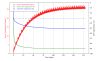
A Dutasteride Simulator predicts serum dutasteride, serum DHT, and scalp DHT levels using models from research papers. It simulates various dosing schedules to determine steady-state effects and visualizes outcomes, including hair growth-related scalp DHT suppression.
A 23-year-old male shares his positive progress using 0.5mg finasteride for hair loss, noting initial side effects like sore nipples that resolved after adjusting the dosage. Other users discuss their experiences with finasteride, including effects on libido and the trade-offs of using the medication.
A dutasteride simulator predicts that daily 0.5 mg dosing results in higher DHT suppression compared to less frequent dosing. Twice-weekly dutasteride may be as effective as finasteride 5 mg, providing a balance between efficacy and ease of use.
The user shared a 3.5-month hair regrowth update using finasteride, 5% topical minoxidil, micro-needling, and keto shampoo, along with lifestyle changes like reducing stress and improving diet. They encourage others to stay committed to their regimen despite initial slow progress.
Topical treatments like minoxidil and finasteride are preferred for hair loss due to ease of use and natural appearance. Hair systems are considered high-maintenance and less genuine.