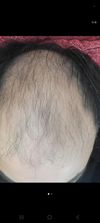
The user is considering using dutasteride 0.5 mg daily for hair loss and is contemplating a hair transplant after a year. They are seeking opinions on progress and potential outcomes.
Concerns about hair loss treatments, specifically finasteride and minoxidil, and doubts about a bald dermatologist prescribing them. Users recommend finding a dermatologist who prescribes effective treatments or exploring online options for finasteride.
Oral minoxidil is discussed, highlighting potential cardiovascular risks at high doses, but users note that lower doses commonly used for hair loss are generally considered safe. Monitoring by doctors is advised, and some users report taking it without issues, comparing its risks to those of common medications like ibuprofen.
The user has been using finasteride for 3 months and minoxidil for over 4 years to treat hair loss, experiencing initial anxiety and a possible nocebo effect but now reports no significant side effects. They also tried micro-needling briefly but stopped, and other users have mixed reactions to their results.
RU58841 is discussed as a treatment that stops scalp itching when used with finasteride or dutasteride. The user is considering trying RU58841 due to persistent itching despite using the "big 3" treatments.
User takes topical finasteride/minoxidil with little results, asks if microneedling helps for temple regions and if 0.5mm is enough. Replies suggest microneedling is effective and 0.5mm works, sharing personal regimens.
A user successfully regrew hair using oral finasteride (1mg daily for 3 years) and topical minoxidil (5% twice daily for 15 years) with no side effects. They highlighted the importance of consistency and patience, crediting finasteride for significant hair improvement.
Shampoos can help with thinning hair by improving scalp health and reducing breakage, but they can't address genetic or hormonal causes. Effective treatments often include using topical minoxidil and finasteride, while the right shampoo varies per individual needs.
A user in their 40s is using finasteride every other day and ketoconazole shampoo for hair loss, considering adding topical minoxidil for further regrowth, including on eyebrows. They are advised to continue with the current regimen for a few more months before reassessing and to be cautious with minoxidil due to its application challenges and potential risks to pets.
The user discovered they had been using fake minoxidil for months, leading to hair thinning, and decided to switch to a trusted brand from Walmart. Another user suggested seeing a dermatologist for prescription minoxidil and recommended Kirkland brand minoxidil and finasteride for effective hair loss treatment.
A user expressed concern that minoxidil might have poisoned their cat, leading to heart and lung issues, but others suggested it was unlikely due to minimal exposure. Some users recommended switching to oral minoxidil or using protective measures like a bonnet to prevent potential contact with pets.
A 20-year-old with diffused thinning is using oral minoxidil for androgenetic alopecia. They plan to switch to topical minoxidil, finasteride, and bimatoprost, and may consider surgery if their condition improves.
A 25-year-old male using 1mg finasteride daily and 5% topical minoxidil twice daily noticed slight hair density improvement on the crown, less shedding, and no serious side effects except occasional mild discomfort. He uses Nizoral shampoo for itching and takes Vitamin D and Magnesium supplements, while maintaining a positive mental outlook and working on improving his sleep schedule.
Using ketoconazole shampoo daily can dry out hair, and most users recommend using it 1-2 times a week with conditioner. Some users combine it with minoxidil and finasteride for better hair growth results.
A user is experimenting with a DIY topical solution combining finasteride and minoxidil for hair loss, applying 0.5 mg of finasteride daily. Concerns include absorption issues, potential side effects, and product loss due to hair density, with some users suggesting oral intake for better results.
The conversation is about using tretinoin to enhance the effectiveness of minoxidil for hair loss. Tretinoin should be applied at night on dry skin, and it can be used daily, either before or after minoxidil, with a starting dose of 0.025%.
Using tretinoin with minoxidil can cause burning and flaky skin due to alcohol in minoxidil and tretinoin's effects. Solutions include using minoxidil foam, starting with low tretinoin doses, moisturizing, and gradually increasing usage.
A user shared their experience using 5% minoxidil twice daily, 1 mg finasteride daily, and weekly derma stamping for hair loss, noting no crown thinning but front diffuse thinning and hairline issues. They experienced fewer side effects on 0.5 mg finasteride but returned to 1 mg, and did not experience shedding after starting treatment.
Minoxidil is toxic to cats, so users should wash hands after application and ensure it dries before pets are near. Some switch to oral minoxidil to avoid risks, while others use topical forms cautiously.
A user ordered RU58841 from a Chinese supplier, found it to be less than 99% pure, and plans to try a different seller next time. Concerns were raised about impurities, but the user believes they are likely inactive fillers rather than harmful substances.
A straightforward hair loss treatment involves using Minoxidil twice daily, microneedling weekly, and using silicone-free shampoo. Shaving the head can simplify the routine, and consistency is crucial for effectiveness.
The user experienced significant hair regrowth using topical dutasteride, finasteride, and minoxidil, despite inconsistent application. The combination appears effective, possibly due to reduced scalp DHT levels, allowing minoxidil to work better.
The user shared their 8-week hair regrowth progress using 0.5mg dutasteride, twice-daily topical minoxidil, and weekly 1.5mm microneedling. They noted visible improvement, though some users suggested reducing microneedling depth to avoid potential scalp damage.
Minoxidil can cause scalp flaking and dryness, often due to its alcohol content. Switching to foam minoxidil or using antifungal shampoos like Ketoconazole may help reduce these side effects.
The conversation discusses experiences with Haircross Hair Growth Serum, which contains Redensyl, Capixyl, Procapil, Anagain, and Baicapil, as an alternative to Minoxidil and Finasteride. Users report mixed results, with some experiencing no regrowth and others noting slight thickening, but concerns about side effects and effectiveness compared to standard treatments remain.
A new topical finasteride has been approved in France, providing an alternative to oral finasteride with potentially fewer side effects. Users discuss the pros and cons of topical versus oral treatments, with some opting to create their own solutions to save money.
The user discovered they had been using fake minoxidil for almost two years, which stopped working, and switched to finasteride, which slowed hair loss. They recently started using real minoxidil and noticed a shedding phase, indicating it might be effective.
A 23-year-old shares progress in hair quality after 4 months using dutasteride, topical minoxidil, and other treatments, noting improved crown thickness but persistent temple thinning. They switched from finasteride to dutasteride due to side effects and started testosterone replacement therapy, which they believe helps mitigate side effects.