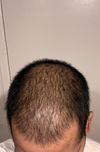
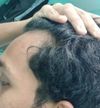
A 27-year-old male experienced rapid hair loss after dengue fever, which activated a balding gene. The doctor suggested platelet-rich plasma treatment for hair regrowth.
The user is experiencing hair loss and has tried topical finasteride without success due to side effects. They are considering using essential oils like rosemary, castor, and peppermint, and have started using 0.5% Pyriltamide.
User started minoxidil, noticed forehead lines and dark circles, and asked for non-invasive skin aging prevention methods. Another user suggested using tretinoin and hyaluronic acid for long-term benefits.
The user started losing hair at 20 and began using minoxidil. After seeing further hair loss, they switched to finasteride, causing more hair shedding. They are now using minoxidil, finasteride (topical and oral), microneedling, and ketoconazole shampoo for recovery.
A young person is distressed about rapid hair loss despite using finasteride and recently starting oral minoxidil. Many suggest continuing treatment, considering dutasteride, and seeking therapy for mental health support.
The user cannot tolerate oral finasteride and is considering topical finasteride, minoxidil, microneedling, and RU58841 as alternative treatments for hair loss. They seek advice on whether these options are worth trying.
Verteporfin may improve hair transplant outcomes and reduce scarring, potentially allowing patients to avoid finasteride. Dr. Barghouthi seeks collaborations, volunteers, and financial support for research on verteporfin.org.
The conversation provides tips to reduce facial skin side effects from Minoxidil, such as changing pillowcases, sleeping on the back, careful application, hydration, and taking breaks. One reply suggests that alcohol in Minoxidil formulations, not Minoxidil itself, may cause skin aging.
A user shared their 3-month hair loss progress using finasteride, minoxidil, low-level light therapy, pumpkin seed oil, and rosemary oil. The user saw a reduction in balding crown size but couldn't determine which treatment was most effective.
Some people may not respond to topical minoxidil due to low SULT1A1 enzyme activity, but oral minoxidil can be effective. Tretinoin may enhance minoxidil's effectiveness, and some users prefer oral minoxidil despite side effects.
Hair loss treatments and the user's progress with taking finasteride and minoxidil orally, which has resulted in full recovery after 5 months. Users commented on this progress and discussed their own experiences or confusion about the treatments used.
The conversation discusses the safety study of PP405, emphasizing that early trials focus on safety rather than efficacy, and that any efficacy data from such a short study should be viewed skeptically. It also highlights that the information released is primarily for securing funding, and that meaningful efficacy results are expected in later phases.
The conversation discusses skepticism about the effectiveness of scalp tension theory and scalp massagers for hair regrowth, contrasting it with treatments like finasteride and minoxidil, which have more user-reported results. Participants question the belief in scalp tension theory, suggesting it may be a marketing tactic, while others argue for a multifactorial approach to hair loss.
The user experienced hair loss due to defective dutasteride and is now using a regimen including dutasteride, oral and topical minoxidil, RU58841, tretinoin, and microneedling to recover hair density. They are optimistic about regaining their hair despite recent setbacks.
A 21-year-old is experiencing hair loss despite using finasteride, minoxidil, derma rolling, vitamins, and keto shampoo. They are contemplating a hair transplant but worry about their age and future hair loss.
Accutane use led to hair loss and seborrheic dermatitis for many, with treatments like dutasteride, minoxidil, and Nutrafol being used to manage symptoms. Some users reported improvement, while others experienced persistent issues or side effects from treatments like finasteride.
A 30-year-old male experienced rapid hair shedding over 6-7 months due to stress, depression, and nicotine/alcohol use, but has since stopped these habits. He seeks advice on remedies, medications, or diet changes to address hair loss.
A woman experienced increased body hair and acne with minimal hair improvement after switching from topical to oral minoxidil. Suggestions included reducing the oral dose, trying spironolactone, returning to topical minoxidil, or considering laser treatment for body hair.
The user is using a hair regrowth protocol including dutasteride, topical and oral minoxidil, dermarolling, ketoconazole shampoo, and tretinoin, but is experiencing slow progress and seeks advice for faster regrowth. Suggestions include quitting smoking, adjusting the regimen, and considering additional treatments like topical finasteride or RU58841.
A user experienced heart palpitations and breathing issues while using oral finasteride and minoxidil for hair loss and plans to switch to generic finasteride and topical minoxidil. They also use Nizoral shampoo and are considering a moisturizing shampoo due to dryness and itchiness.
The conversation discusses hair loss treatments, specifically Minoxidil, finasteride, and RU58841. It highlights the South Korean president's push for public health coverage for hair loss.
The user stopped using Alfatradiol after 4 months due to no hair improvement and side effects like dry scalp and gallbladder pain. They are considering trying topilutamide, which is suggested as an alternative.
Stopping minoxidil can lead to significant hair loss, but resuming it may help regain hair. Users emphasize the importance of continuing minoxidil and finasteride to maintain hair health.
A 23-year-old male is experiencing rapid hair thinning and receding hairline, feeling emotionally drained. He has tried GFC, PRP, ketoconazole shampoo, and supplements without improvement and is considering minoxidil, finasteride, and possibly a hair transplant.
A case study that suggests verteporfin may be able to help regrow donor hairs after FUE extraction, and the potential implications of this result. Treatments discussed include Minoxidil, Finasteride, and RU58841.
The conversation discusses hair loss treatments, specifically using a Dermaroller, Minoxidil, and RU58841 for two months. The user shared progress pictures showing the results of these treatments.
A user experienced worsened hair condition after a PRP session and is considering stopping further sessions. They are using a Dermapen, electric massage, iron, saw palmetto, and plan to start minoxidil, but have had side effects with finasteride and are advised to consider dutasteride under medical supervision.