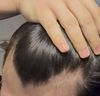
A 29-year-old male is using alcohol-based 5% topical minoxidil, oral minoxidil 2.5 mg daily, and dermarolling to address hair loss, after discontinuing topical finasteride due to sexual side effects. He notices improved hair quality and thickness but is concerned about density and seeks feedback on his progress.
The conversation discusses using Rogaine (minoxidil foam) for hair loss, with questions about enhancing its effectiveness with tretinoin or retinol and incorporating dermarolling. The user has been using finasteride for 7 years and is considering starting minoxidil despite concerns about shedding.
A 28-year-old male has been using topical dutasteride and minoxidil for a year without improvement, experiencing persistent hair shedding. It is suggested that the treatment might not be effective for him, and he should consider other approaches or check for underlying conditions.
Minoxidil is applied beyond the crown, including the hairline and other areas, despite labels suggesting crown use only. Users report success with broader application, and some prefer oral minoxidil for convenience.
Topical roflumilast is effective for reducing inflammation in various scalp conditions like seborrheic dermatitis, psoriasis, and eczema, but not proven to stop scarring alopecia. Alternatives like apremilast and Vtama are also discussed for their anti-inflammatory benefits.
An 18-year-old is maintaining a stable hairline using Minoxidil, topical finasteride (Fynzur), and Dermastamp, and is considering adding oral finasteride for prevention. They seek advice on whether starting oral finasteride early is necessary given their family history and current regimen.
The user experienced initial success with topical finasteride 0.025% and melatonin but noticed rapid hair thinning after three months. They are considering switching to a higher dose of topical finasteride or oral finasteride, as advised by others, while being cautious about potential side effects.
The user shared their 5-year progress using finasteride and topical minoxidil for hair growth, noting initial success but recent thinning and side effects. They plan to switch to dutasteride and oral minoxidil, addressing low iron levels and monitoring potential side effects.
The conversation is about hair regrowth using topical minoxidil, microneedling, and vitamin supplements. The user is hesitant to use DHT blockers like finasteride due to concerns about hormonal side effects.
A user shared progress pictures after almost 3 months of using dutasteride, minoxidil, stemoxydine, and tretinoin for hair loss, reporting positive results and no significant side effects. The user chose dutasteride over finasteride due to early balding and noted benefits like better skin and increased libido.
A 23-year-old male has been using dutasteride (0.5mg daily) and minoxidil with tretinoin for 107 days to address crown hair loss, noticing slight thickening but uncertain progress. He reports no shedding or side effects, experiencing positive effects like improved skin texture and increased energy.
The conversation discusses managing hair loss and scalp issues, with users sharing experiences using treatments like dutasteride, finasteride, ketoconazole, sulfur soap, and topical anti-androgens. Suggestions include trying sulfur soap, scalp massages, spironolactone, and dietary changes to reduce sebum production and dandruff.
Switching from finasteride to dutasteride, with additional treatments like minoxidil and tretinoin, has not improved hair loss and may have worsened it. Users report better results with finasteride, citing fewer side effects and lower cost.
The user stopped finasteride for 26 days and is concerned about losing hair regrowth. Another user suggests they will likely return to their pre-stop baseline but advises consulting a doctor.
The user has been on dutasteride and oral minoxidil for a year with no progress and is considering increasing the dutasteride dose or adding RU58841. Other users suggest consulting a doctor, trying derma needling with topical minoxidil, and note that hair loss treatments can have varying effectiveness.
Bee venom at 0.001% concentration was more effective than 2% minoxidil in promoting hair growth in mice, possibly due to increased growth factors and reduced inflammation. Caution is advised due to potential allergic reactions and the reliance on animal data.
The user experienced significant hair regrowth after 10 months of using Minoxidil and 8 months of Finasteride, despite an initial shedding phase. They reported minor initial side effects but overall positive results, with the crown area completely filled in.
A 28-year-old male experienced significant hair improvement in two months using 2.5mg oral minoxidil daily, 1mg finasteride every other day, weekly dermastamping, daily scalp massages, and rosemary oil. The user reports no side effects and questions if the rapid progress is typical or if they are a hyper responder.
Significant hair regrowth was achieved using oral finasteride 1mg, oral minoxidil 5mg daily, ketoconazole shampoo, and dermarolling. It is advised to continue this regimen for 12-18 months before considering any changes.
Combining minoxidil with tretinoin appears to enhance hair growth for some users, with several reporting better results than using minoxidil alone. Some users also incorporate other treatments like dutasteride, latanoprost, and microneedling for improved outcomes.
Microneedling can be effective for hair growth, but it is more effective when combined with minoxidil. Finasteride or other DHT suppressants are necessary to prevent hair loss due to male pattern baldness.
A 27-year-old experienced significant hair regrowth in six months using 0.5mg Dutasteride and 2.5mg Minoxidil daily, with no side effects. The results were impressive enough to be mistaken for a hair transplant.
The user experienced significant hair loss due to health issues and started using finasteride 40 days ago. They cannot use minoxidil due to an allergy and are seeking advice on whether finasteride will help.
The user experienced significant hair regrowth in 90 days using 1.25 mg finasteride daily and topical 5% minoxidil once a day, with noticeable thickening of eyebrows and eyelashes. Despite the progress, the user plans a hair transplant due to traction alopecia affecting the hairline.
A user shared their 16-year hair loss journey using finasteride and minoxidil, noting slow hair thinning despite a family history of severe balding. They switched from topical to oral minoxidil but stopped for personal reasons, experiencing no significant side effects from finasteride.
A 42-year-old user shared progress after 6 months using 1.25mg finasteride and 5mg oral minoxidil daily, with 5% topical minoxidil twice a day, improved nutrition, and weekly dermarolling. The user noticed some shedding and slower regrowth but remains disciplined, while others commented on the impressive results and potential side effects of high minoxidil doses.
An 18-year-old is considering taking 2.5mg oral minoxidil for 15-20 years alongside dutasteride and finasteride. They are concerned about the long-term safety and effectiveness of minoxidil in maintaining hair stability.
Oral minoxidil can lead to increased body hair growth, especially in areas where hair already exists, but results vary by individual. Some users report noticeable changes within a few months, while others see minimal impact; concerns about excessive hair growth are common, but many prioritize hairline improvement over body hair concerns.
Hair loss is influenced by scalp tension, stress, and environmental factors, not just hormones. Treatments like tretinoin, microneedling, scalp massage, and Botox can reduce tension and improve hair health.