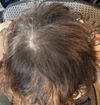
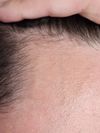
User started balding at 16 and began treatment at 18, using RU58841, minoxidil, derma rolling, and peptides. After 6 months, they experienced significant hair regrowth and are happy with the results.
The conversation discusses Shiseido's RepliCel Hair-01 technology for hair regeneration, which aims to stop hair loss with minimal regrowth. Treatments mentioned include Minoxidil, finasteride, and RU58841.
A user humorously questions if finasteride can cause hair regrowth in just 10 seconds. Responses include jokes about unrealistic expectations, suggestions to try minoxidil and microneedling, and discussions on hair loss treatments.
The user is seeking advice for temple hair recovery, using 2% minoxidil, dermarolling, nutrient patches, and green clay compresses, but is hesitant to use finasteride. Others suggest increasing minoxidil to 5%, using finasteride or RU58841, and incorporating ketoconazole shampoo to address hair loss effectively.
The user has been using minoxidil, dermarolling, and nizoral shampoo for hair regrowth but hasn't fully restored their hairline. They are considering adding finasteride to their regimen.
The user experienced hair shedding after stopping minoxidil and resumed using minoxidil 5% twice daily, topical finasteride 0.1% twice a week, along with dermarolling, head pinching, deep massaging, and inversion techniques. They are seeking suggestions to maximize hair regrowth efforts and have observed some progress.
The user shares a 3-month hair loss treatment progress using finasteride, minoxidil, and ketoconazole shampoo. They plan to add a dermatologist pen to their routine for the next 3-6 months.
The user shared their hair growth journey using minoxidil, finasteride, and ketoconazole shampoo, along with vitamins and serums, reporting significant progress in five months. They emphasized the importance of stress management and plan to add a derma roller, castor oil, and a high-protein diet.
Hair loss and potential treatments, primarily focusing on Finasteride and Minoxidil. Other solutions discussed include PRP, dermarolling, LLP, and scalp tension relief.
The user, SnooDonuts9235, shares their positive experience with a hair transplant and using topical finasteride and minoxidil. They express concern about increased shedding and ask if it is normal. Other users compliment their results and ask about the clinic and procedure details. SnooDonuts9235 encourages others to consider a hair transplant even without taking oral finasteride and shares that the procedure was not as scary as they initially thought.
The user is experiencing continued hair loss despite using minoxidil, finasteride, tretinoin, and microneedling. They are considering a hair transplant due to lack of response to current treatments.
The conversation discusses a user's experiment with using hot water and a dermastamp to reduce hair loss, improve dandruff, and promote new hair growth. The user advises caution and mentions not sharing photos until more progress is visible.
The user is experiencing a second hair shedding phase after 7 months on finasteride, oral minoxidil, and ketoconazole, and is concerned about the sustainability of the treatment. Others encourage continuing the treatment, explaining that shedding is normal and should stabilize over time.
The conversation is about a user's impressive hair recovery over 14 months using 0.5mg dutasteride, 5% topical minoxidil, saw palmetto shampoo, and occasional microneedling. The results are highly praised by others, with many expressing admiration and hope for similar outcomes.
The conversation is about whether stemoxydine can shorten the dormant phase after a hair transplant, known as the ugly duckling phase. There is skepticism about whether it actually works as claimed.
PP405, a topical LDH inhibitor, has shown to stimulate hair follicle stem cell proliferation in humans with moderate hair loss. They are advancing to more detailed trials this year.
Impressive hair regrowth was achieved in 4 months using 1.2mg finasteride, 3mg minoxidil, and Thick Fix shampoo. No side effects were reported, and the user encouraged others to try these treatments.
The user has seen significant hair regrowth using a routine of minoxidil, finasteride, microneedling, scalp massage, and Nizoral. They are considering adding red light therapy and PRP to their regimen.
The user experienced significant hair shedding in the second month of using finasteride, leading them to buzz their hair. They plan to improve their diet, sleep, and stress levels, and start using Nizoral for scalp issues.
A user who got a hair transplant and gave their experience with it, including how the donor area recovered quickly and the potential risks of getting a hair transplant at a young age. Other users discussed bleaching and dyeing transplanted hair, as well as asking about the clinic where the procedure was done.
The user shared hair regrowth results after 6 months using finasteride, minoxidil, ketoconazole shampoo, and dermastamp, considering adding dutasteride or a hair transplant. They previously had a hair transplant and did not take medications initially, leading to further hair loss.
A 44-year-old is experiencing rapid hair thinning after weight loss, despite using finasteride for two years. They have added minoxidil, vitamins, ketoconazole shampoo, derma stamping, and are considering PRP treatment while slowly introducing dutasteride.
A user with diffuse thinning noticed stubble-like hairs on their scalp after using 2% ketoconazole shampoo, dermarolling, castor oil, Vitamin D3, biotin, and iron supplements. They are unsure if this indicates regrowth or miniaturized hairs.
Kintor's GT20029, a treatment for hair loss, has completed Phase 1 successfully, showing promise as an androgen receptor degrader that could potentially regrow hair. It is considered more effective than Pyrilutamide, with infrequent dosing and minimal systemic absorption.
A 50-year-old Black woman with alopecia areata and traction alopecia is seeking a science-based hair loss routine. Current treatments include spearmint tea for DHT levels and considering PRP.
The conversation discusses hair loss treatments, specifically using finasteride, minoxidil, and Nizoral. It also explores the potential impact of whey protein and BCAA on hair shedding, with users considering dietary changes to manage hair loss.
The user reported subtle hair regrowth by focusing on scalp health and lifestyle changes, using Nizoral shampoo and methods to reduce inflammation and cortisol, without using finasteride, minoxidil, or other common treatments. Opinions in the conversation varied, with some skeptical of the results and others acknowledging the potential benefits of addressing scalp health and inflammation.
The user is experiencing significant hair shedding after four months of using topical finasteride and minoxidil, questioning if it's a normal shedding phase or if the treatment isn't working. They are considering switching to oral treatments and have increased their finasteride concentration, while also using keto and caffeine shampoos.
The efficacy of various hair loss treatments, including Finasteride and Dutasteride, with personal anecdotal evidence about potential side effects. It also includes advice to get a male hormone blood panel done before starting treatment, and lifestyle changes to minimize side effects.