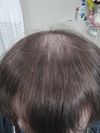
A user from China is participating in a clinical trial for Pyrilutamid, a potential hair loss treatment originally developed for prostate cancer. They've experienced no side effects except initial scalp itchiness, and will share results after the year-long trial.
The conversation is about managing scalp irritation caused by minoxidil use. Suggestions include switching to foam, using fluocinonide topical solution, trying lipogaine for sensitive skin, and considering low-dose oral minoxidil.
A 24-year-old male is experiencing hair thinning and feels hopeless, considering treatments like finasteride and minoxidil but is concerned they might not work. He is also contemplating a dermatologist visit and is unable to afford a hair transplant.
Breezula (clascoterone) is expected to be available by late 2026, showing good long-term results with minimal side effects. KX-826 (pyrilutamide) acts faster but is still in earlier development stages.
The user is experiencing severe hair loss, possibly due to telogen effluvium, after stress, poor nutrition, and hormonal changes. They are using Nizoral and supplements but are considering hormonal treatments like spironolactone despite previous side effects.
The conversation discusses disappointment with the hair loss treatment KX-826 but notes that the company Kintor is still focused on developing and commercializing it, as stated in their 2023 annual report. The user questions the effectiveness of KX-826 in comparison to minoxidil's role in improving hair thickness and appearance.
User experienced side effects from topical finasteride, including penile pain and reduced sexual satisfaction, and is unsure whether to resume or avoid the treatment. They are seeking advice on whether tapering off the drug might help.
An 18-year-old noticed hairline retreat at 17.5 and is seeking advice on whether to accept baldness or try treatments like Minoxidil, finasteride, or RU58841. They are concerned about safety and effectiveness at their age.
Clascoterone phase 3 results show promising improvements in hair count, but concerns about high costs and lack of detailed data remain. Users compare it to existing treatments like Minoxidil and Finasteride, expressing skepticism about its accessibility and effectiveness.
Ashwagandha is used to reduce stress and improve sleep, while finasteride is taken for hair loss. Users report positive effects from ashwagandha and mixed results from finasteride, with some experiencing a slight dip in libido.
A 22-year-old has been using topical finasteride and minoxidil with microneedling for hair loss, considering switching to oral finasteride or dutasteride due to slowed progress. Recent changes in application technique and increased microneedling frequency seem to have led to noticeable hair regrowth, prompting reconsideration of switching treatments.
The conversation discusses a user experiencing short, curly, wiry hair above and behind the ears, linking it to pattern baldness. The user suggests starting treatment early but personally chose not to pursue treatments like Minoxidil, finasteride, or RU58841 due to the hassle.
The user experienced severe side effects from finasteride, including hormonal imbalances and cognitive issues, leading to a recommendation to stop its use. They plan to follow up with tests to rule out a pituitary tumor and are considering topical treatments as alternatives.
A 22-year-old has been using dutasteride (0.5 mg daily) for over a year but is experiencing increased hair shedding, scalp inflammation, and burning, and cannot use minoxidil due to side effects. Suggestions include consulting a dermatologist, trying oral minoxidil, microneedling, rosemary oil, caffeine shampoo, and considering other treatments like PRP or red light therapy.
The user has been using a hair loss treatment regimen including RU58841, minoxidil, and dutasteride, but still experiences hairline recession and fatigue despite high testosterone levels. They are considering adjusting their dutasteride dosage due to concerns about libido and energy levels.
A 19-year-old male is experiencing accelerated hair recession after two months on oral Dutasteride, despite no noticeable shedding, while also using topical Minoxidil and Finasteride. He is unsure if the treatment is effective and is unable to access RU58841.
RU-58642 is a powerful anti-androgen that was not developed further, possibly due to safety concerns or financial reasons. RU58841 is a topical alternative, but it is less effective than finasteride and dutasteride, and its long-term effects are not well-studied.
The user started using finasteride, minoxidil, and biotin for hair loss and believes they are a hyper responder, noticing significant changes in hair thickness. They regret not starting earlier and mention using oral minoxidil.
A user experienced severe side effects, including erectile dysfunction and testicular pain, after taking finasteride for hair loss. They recommend sticking to minoxidil and biotin and avoiding finasteride due to potential risks.
The user discusses using essential oils like peppermint, rosemary, tea tree, and lavender to improve hair thickness and seborrheic dermatitis. They plan to add RU58841 to their routine and seek advice on using it alongside the essential oils without interference.
Dutasteride can stabilize or improve hair loss but may cause side effects like depression and anxiety. Users often switch from finasteride to dutasteride for stronger results, with varied experiences in shedding and regrowth.
The conversation is about a user experiencing a tingling sensation and redness on their scalp, possibly related to hair loss treatments. Suggestions include using Nizoral shampoo and consulting a dermatologist, while the user mentions using oral finasteride.
The conversation discusses a clinical trial for Setipiprant in the US, starting June 29th, with eligibility excluding recent users of minoxidil or finasteride. It encourages informed decision-making before signing up.
The user experienced a slight decrease in hair shedding and scalp itch, and reduced sebum production using Pyrilutamide, but stopped due to chest pain, breathing difficulties, and heart issues. They felt normal a week after discontinuing and doubted FDA approval for the drug.
The user has been on finasteride for 7 years and had a hair transplant, but is experiencing hair thinning and itchiness, particularly on one side, leading to concerns about male pattern baldness or other health issues. Despite having a full head of hair, the user is considering shaving it due to mental health struggles and is advised to consult a therapist and consider other treatments like minoxidil or dutasteride.
The user started shedding hair after beginning testosterone replacement therapy (TRT) despite using dutasteride and minoxidil, and added RU58841 to address the shedding. They reduced their TRT dose and hope RU58841 will stop the shedding quickly.
A 19-year-old with diffuse hair thinning and erectile dysfunction is considering starting Propecia (finasteride) while already using a minoxidil solution with anti-androgens. Concerns are raised about the psychological nature of erectile dysfunction and the potential systemic effects of anti-androgens, with suggestions to address porn addiction and consult a doctor about hormone therapy.
PP405 is a new hair loss treatment advancing quickly in trials, generating excitement and skepticism about its effectiveness and marketing claims. Some see it as a potential alternative to minoxidil and finasteride, but concerns about long-term effects and the need for DHT blockers persist.