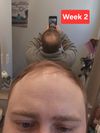
The conversation is about making RU58841 solutions for hair loss treatment and sourcing ingredients for KB solutions. The user mentions using RU58841 powder from Shaanxi Greenyobiotech.
The conversation is about the effectiveness of the Laduora duo massage brush for hair regrowth using vibration and red light, and whether the vitamin gel pods make sense. Specific treatments like Minoxidil, finasteride, and RU58841 are not mentioned.
The conversation discusses the use of 1% ketoconazole shampoo, like Nizoral, for hair loss and scalp issues. Users suggest it may help with early hair loss and scalp conditions but is not as effective as other treatments like minoxidil and finasteride.
Hair follicle stem cells remain in bald individuals, but progenitor cells do not, raising questions about hair regrowth claims by Pelage. PP405 is discussed as a potential treatment, with skepticism about its effectiveness compared to existing treatments like Minoxidil and Finasteride.
PP405, developed by Pelage Pharmaceuticals, can reactivate dormant hair follicle stem cells and increase hair growth by 20% in eight weeks, unlike minoxidil or finasteride. However, skepticism remains about its effectiveness and availability, with concerns about funding and the timeline for broader access.
The conversation is about personal routines to combat hair loss, including treatments like Minoxidil, Finasteride, RU58841, vitamins, and dermastamping. Specific methods vary, with some using daily topical applications, oral medications, and weekly procedures like dermarolling and special shampoos.
A 24-year-old male is using topical minoxidil and Nizoral shampoo to address a receding hairline, along with coconut and rosemary oils. Users discuss the effectiveness of minoxidil, emphasizing early treatment for better results.
The user is frustrated with hair regrowth despite using finasteride, minoxidil, dutasteride, RU58841, ketoconazole shampoo, and dermastamping. Others suggest improvement, advise against overmedication, and recommend consulting a doctor or considering a simpler regimen or hair transplant.
The conversation is about a user's 7-month hair regrowth progress using finasteride/minoxidil gel, minoxidil foam, ketoconazole shampoo, thickening shampoo and conditioner, biotin supplements, and plans to start using a dermaroller. Replies suggest a new haircut and commend the user's progress.
The conversation is about a user's impressive hair recovery over 14 months using 0.5mg dutasteride, 5% topical minoxidil, saw palmetto shampoo, and occasional microneedling. The results are highly praised by others, with many expressing admiration and hope for similar outcomes.
The conversation discusses using natural alternatives like saw palmetto, pumpkin seed oil, pygeum, and nettle extract for hair loss, alongside treatments like nizoral, dermastamp, red light, and rosemary oil. Opinions vary, with some users skeptical about the effectiveness compared to finasteride, and concerns about potential side effects.
The user is experiencing scalp irritation from using tretinoin and alcohol-based hair loss treatments like stemoxydine. They find that Aquaphor helps with the pain but is difficult to apply in hairy areas.
The conversation discusses a user's hair regrowth after two months using finasteride, minoxidil, derma rolling, biotin, and ketoconazole shampoo. Some users express skepticism, while others are impressed with the results.
A user shared their hair recovery progress from ages 25-31, attributing success to quitting smoking, minoxidil, microneedling, and hormone therapy. They also mentioned being transgender and using hormone therapy.
A 25-year-old who started losing hair at 16 and reached almost NW7 by 20 saw hair regrowth using a regimen including dutasteride, minoxidil, nizoral, and a dermaroller, along with supplements like biotin, zinc, and omega-3. After initial success, they experienced shedding, added more supplements and treatments, and sought advice on whether to continue; responses encouraged them to persist as shedding is often part of the hair regrowth cycle.
User experienced hair loss from Norwood 3.5 to Norwood 5 with diffuse thinning after using a hair system for 2 years. Tried Redensyl, Capixyl, Bicapil, Biotin, multivitamins, Fin, and Min without significant improvement, seeking advice for hair recovery.
A user shared their 3-month hair regrowth progress using 1mg finasteride, 5% minoxidil, and ketoconazole shampoo. Commenters noticed improvement and discussed the importance of waiting 6 months for more significant results.
The conversation discusses hair loss treatments, including the use of minoxidil, finasteride, dutasteride, RU58841, and Nizoral. Participants emphasize the importance of finasteride and minoxidil, while also considering factors like diet, stress, and scalp health.
A 23-year-old achieved significant hairline regrowth using minoxidil, saw palmetto, collagen peptides, biotin, omega-3, iron, ketoconazole shampoo, and scalp care techniques, without finasteride or dutasteride. The user attributes success to this combination but is unsure which element is most effective.
A 19-year-old is using hair tonic capsules, Minoxidil 5% lotion, an unidentified hair lotion, and Nizoral shampoo for male pattern hair loss. Commenters suggest focusing on known treatments like Minoxidil and Finasteride and advise knowing the contents of the products used.
The user is 6 months post-hair transplant and uses finasteride, oral and topical minoxidil, along with supplements like omega-3, vitamin D3, and zinc. They are experiencing significant shedding and seek advice on whether the medications are effective and if the shedding will settle.
The user has been using finasteride for 7 months and is inquiring about Thrive's hair serum, which contains redensyl, procapil, and anagain, seeking feedback from others who have used it.
The conversation discusses a hair loss regimen using natural oils like pumpkin seed, rosemary, peppermint, evening primrose, and sea buckthorn, along with microneedling, niacin, vitamin B complex, and astaxanthin. Some users criticize the effectiveness of this approach compared to treatments like finasteride and minoxidil, while others suggest adding saw palmetto and other supplements.
The user stopped using topical finasteride and minoxidil, leading to hair thinning and shedding, and has since restarted the treatment. They are experiencing significant shedding and are seeking advice on whether this is normal and when improvement might occur, while using a regimen that includes Nutrafol, microneedling, Nioxin, and Nizoral.
A user is seeking a sodium lauryl sulfate-free ketoconazole shampoo for hair loss treatment. They are unable to find one and are asking for recommendations.
The user is documenting their hair regrowth journey using oral finasteride, topical minoxidil, ketoconazole, dermarolling, biotin shampoo, and rosemary oil. They are committed to maintaining this regimen to track progress.
A 29-year-old male shares progress pictures after 4 months using finasteride and 2% ketoconazole shampoo, noting initial shedding but overall improvement. He avoids minoxidil and microneedling, and reports thicker hair in balding areas while maintaining high water intake.
The user experienced hair regrowth using finasteride and topical minoxidil, with consistent application and lifestyle changes like using cold water and exercising. They noted initial shedding when restarting minoxidil but saw positive results over six months.
Ketoconazole shampoo is primarily used to reduce scalp fungus and inflammation, not to block DHT or androgen receptors. It may help with seborrheic dermatitis and improve scalp health, but its effects on hair loss are minimal compared to treatments like finasteride.
A user shared their experience with telogen effluvium triggered by a keratin treatment, leading to significant hair loss. They found improvement using aloe vera with rosemary, a protein and iron-rich diet, and patience.