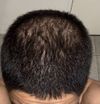
The conversation discusses hair loss treatments, specifically Minoxidil, finasteride, and RU58841. The user seeks input from medical professionals and scientists on these treatments.
The user experienced significant hair regrowth with finasteride but noticed recent hair thinning, possibly due to nutrient deficiencies and weight loss. They plan to add microneedling and consider switching to dutasteride.
Finasteride can cause sexual side effects like reduced libido and weaker erections, but experiences vary. Some users switch to dutasteride or topical treatments, while others stop finasteride to restore normal sexual function.
A user shared their 7-month hairline recovery using 1 mg finasteride and 5 mg minoxidil daily. They experienced significant hair growth, including unwanted facial hair, and discussed potential side effects and dosage adjustments with others.
A 34-year-old man has been using oral minoxidil and finasteride for three months with noticeable hair regrowth and no side effects. He is considering a hair transplant but is currently satisfied with the progress and prefers not to switch to more aggressive treatments.
Tazarotene's potential to enhance Minoxidil conversion, similar to Tretinoin, is questioned. Users discuss the lack of information and seek further details.
The user is using 2.5mg oral minoxidil and Nizoral shampoo for hair regrowth, noticing some improvement. They are considering increasing the dosage and exploring alternatives to topical minoxidil/finasteride due to concerns about toxicity to cats.
Higher doses of dutasteride, like 2.5 mg, may offer more hair growth than 0.5 mg, but the difference is not significant for most people. Many users find 0.5 mg effective, and increasing the dose is often unnecessary unless experiencing severe hair loss.
The user is disappointed with their hair loss treatment results using Minoxidil, dermastamping, and ketoconazole shampoo. They are advised to add Finasteride or Dutasteride to block DHT for better results.
A user shared their positive experience with hair regrowth using topical finasteride and minoxidil, despite initial side effects. They are transitioning to oral finasteride and minoxidil for convenience and are optimistic about continued progress.
A user is experiencing facial bloating from low-dose topical finasteride due to high estradiol levels and is seeking advice on using DIM to manage this issue, including dosage and brand recommendations.
People discuss the high cost of brand name finasteride and dutasteride, suggesting generics as cheaper alternatives. They share prices from various regions, highlighting significant cost differences.
Tretinoin may increase minoxidil absorption but could potentially worsen hair loss over time. Users discuss applying 0.5% tretinoin gel to the hairline/scalp with minoxidil.
A user suggests that deeper microneedling with Verteporfin injections might help regrow hair in areas with scar tissue, alongside a DHT blocker. Another user explains that hair loss might be due to reduced Wnt/β-Catenin signaling and suggests that treatments like Minoxidil, Finasteride, and microneedling could potentially reverse it.
The user underwent a biopsy two years ago and was diagnosed with keratosis pilaris, leading to hair issues. They tried treatments including Minoxidil, betamethasone, lymecycline, topical Accutane, and dutasteride, as well as diet changes, without improvement in hair thickness or skin dryness.
People are discussing if Serioxyl / Stemoxydine sold on eBay is authentic and questioning how sellers have it if L'Oreal may not be producing it anymore. They are sharing experiences and seeking insight on the legitimacy of the product and its availability.
The user experienced side effects from RU58841, including dry eyes and potential eyesight issues, and decided to stop using it. They confirmed the product's legitimacy but advised caution due to its experimental status and lack of safety data.
A 30-year-old started hair loss treatment in September 2022 with oral Minoxidil and Finasteride, then switched to a spray version in June 2023. They also improved their diet, exercised, used biotin shampoo daily, and micro needled weekly, resulting in noticeable hair regrowth.
The user experienced severe hair shedding from RU58841 and recovered by stopping its use and starting treatments including Minoxidil, Rosemary Verbenone, Stemoxydine, Aminexil, copper peptide serum, and specific shampoos. They also consistently used oral Finasteride and plan to try Minoxidil 10%.
The conversation discusses a user's positive experience with hair regrowth using topical finasteride, minoxidil, and microneedling after 2.5 months, noting initial shedding but improved hair density, especially at the temples, possibly eliminating the need for a hair transplant. The user is satisfied with the current treatment and is hesitant to try the experimental drug RU58841, hoping the current routine will suffice for further improvements.
Osteopontin, a protein involved in hair growth on moles, may help with hair loss. However, it is also linked to Alzheimer's, cancer, and bone development, so caution is advised.
Oral minoxidil can cause serious heart issues like cardiac hypertrophy and arrhythmias, prompting some users to reduce dosage or switch to topical treatments. Despite significant hair regrowth, side effects such as shortness of breath and chest pains are common concerns.
A user switched from RU58841 to Pyrilutamide for hair loss treatment after experiencing side effects and continued hair shedding with RU. They are now losing hair faster with Pyrilutamide and questioning if they should revert to RU58841.
User experienced significant body hair loss from Finasteride and started oral Minoxidil to address crown thinning. Their current regimen includes 1mg Finasteride, 2.5mg Minoxidil, Biotin, Vitamin D, Zinc, Iron, and ketoconazole shampoo.
The conversation is about experimenting with topical Viagra or Cialis for hair loss, including methods for dissolving the tablets. The user is also using herbal oil massages and considering using Ethanol/Propylene Glycol for better dissolution.
The user shared their experience with hair loss treatments, including finasteride, minoxidil, and a detailed hair care routine involving conditioners, oils, and micro-needling. They reported significant improvement in hair thickness and reduced shedding after adopting these practices.
This conversation discusses the potential benefits of using oral minoxidil and finasteride to treat hair loss, with some users sharing their own experiences in taking the medications. Others express concerns about the safety of these treatments.
A 24-year-old man shared his 4-month hair regrowth progress using 5% Minoxidil once daily, 1mg Finasteride every other day, weekly 0.5mm microneedling, Biotin, and multivitamins. Commenters suggest adding Tretinoin could enhance results, while others express happiness for his improvement.