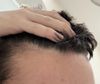
Minoxidil and finasteride have not improved the user's hairline after a year. Suggestions include trying dutasteride, microneedling, or considering a hair transplant for better results.
The user is considering taking ashwagandha while on finasteride to manage side effects, noting it reduces stress but may cause hair thinning. They are unsure if the thinning is due to ashwagandha or normal shedding from finasteride.
The conversation discusses using dutasteride once a week to boost finasteride's effectiveness in treating hair loss, with some users reporting fewer side effects and cost savings. Others share experiences with different dosages and combinations, including minoxidil and topical treatments, to find a balance between effectiveness and side effects.
A 24-year-old male shared his 5.5-year progress using minoxidil and nearly 5 years on finasteride/dutasteride for hair loss, reporting no side effects and successful results. He uses 0.5 mg dutasteride daily, oral minoxidil 2.5 mg daily, and topical minoxidil daily, with costs around $4 monthly.
Using tretinoin or tazarotene with minoxidil may eliminate the need for microneedling or dermastamping. Microneedling can enhance minoxidil's effects but may cause long-term scalp issues.
Minoxidil 5% is no longer effective for the user, who is considering stronger minoxidil or oral options despite availability issues. Suggestions include trying minoxidil 15%, oral minoxidil, microneedling, and exploring other treatments like finasteride and dutasteride.
Finasteride can effectively slow or halt hair loss, even for those genetically predisposed to significant balding, like Norwood 6 or 7. Many users report long-term maintenance or improvement, often combining it with other treatments like Dutasteride or Minoxidil for better results.
PP405 is a promising hair loss treatment that may outperform minoxidil and finasteride by reviving dormant follicles and promoting significant regrowth. Results from ongoing trials are awaited, with a potential market release between 2028-2030.
A 30-year-old man experienced significant hair regrowth and improved libido after using finasteride and dutasteride for androgenetic alopecia, with no adverse effects. He plans to reduce dutasteride dosage when trying to conceive and has been using topical minoxidil since 2015.
The conversation is about finding online pharmacies to obtain tretinoin for hairline improvement, with suggestions including Amazon and nurx.com. Alternatives like adapalene are also mentioned.
Finasteride did not improve hair loss and seemed to accelerate it, particularly on the forehead. The user is considering stopping the medication due to these negative effects.
Stopping Minoxidil may lead to losing any hair gained from its use, potentially resulting in less hair than before starting. Continuing Dutasteride may help maintain some hair.
After switching from finasteride to dutasteride, the user experienced a 25% increase in total testosterone and a 150% increase in free testosterone, with side effects like brain fog and nipple tingling. The user plans to consult a lab for accuracy and adjust the dutasteride dosage to manage side effects.
The user tried LLLT laser treatment for hair loss, noticing less hair shedding and thicker hair after six months, emphasizing consistency and gentle scalp care. Other users questioned the authenticity of the post and inquired about the frequency and type of device used.
A 25-year-old user shared progress pictures after using oral finasteride and oral minoxidil for nearly four months, reporting significant crown gains and slight temple progress without side effects. The user chews a Hims 3-in-1 tablet and has not experienced any shedding due to starting with a shaved head.
A 30-year-old male experienced hair loss despite using Minoxidil for two years, switching to Regaine foam, and adding other topical products and vitamins. He is seeking advice as his hair continues to fall despite these treatments.
Tretinoin may enhance minoxidil absorption, potentially improving hair regrowth when combined with microneedling. Users discuss various treatments like minoxidil, finasteride, dutasteride, and microneedling, with mixed results and concerns about side effects and scarring.
Creatine can cause increased hair loss in some people, particularly those with a predisposition to androgenic alopecia, but hair loss often stops after discontinuing its use. Some users experience no hair loss while using creatine.
Taking dutasteride daily with finasteride is more effective in reducing hair loss and itching than taking dutasteride four times a week. The combination reduces shedding and anxiety.
A 34-year-old male, already on finasteride, is hesitant to continue minoxidil due to side effects like headaches and concerns about facial bloating and skin aging. Another user shares their experience with minoxidil causing facial bloating but hopes for hair growth benefits.
White spots on a bald scalp, likely tinea versicolor, can be treated with ketoconazole or selenium sulfide shampoos like Selsun Blue. Consulting a dermatologist is recommended for proper diagnosis and treatment.
The conversation discusses using a blend of coconut, argan, and rosemary oils for hair growth, along with microneedling and supplements like biotin and collagen. The user is hesitant to use Minoxidil or finasteride and is exploring natural alternatives for thinning hair.
Stopping finasteride and dutasteride led to significant hair shedding, but restarting finasteride may help regain previous hair thickness. The shedding is likely temporary and may stabilize in a few months.
PP405 is criticized for overhyped claims and cherry-picked data, with doubts about its effectiveness compared to minoxidil and finasteride. Many users express skepticism, emphasizing the need for more comprehensive trial results.
A 25-year-old male has been using finasteride since October 2022 to combat diffuse thinning and hairline recession, experiencing initial shedding but later stabilization. He plans to add oral minoxidil to improve hair density and is open to trying dutasteride if necessary, with minimal side effects reported.
A private clinic suggests starting with topical Minoxidil only, raising concerns about DHT blocking and potential side effects of Finasteride. The user is considering whether to follow this plan or use a combination of Minoxidil and Finasteride for hair thinning.
The user halted hair loss using 0.01% topical liposomal finasteride daily, with no side effects or regrowth, and recently added 5% minoxidil and low-level laser therapy. They recommend this conservative approach for those hesitant about finasteride.
Some actors are believed to use treatments like finasteride, minoxidil, or hair transplants to maintain their hair, while others are thought to have naturally good genetics. Opinions vary on whether celebrities like Brad Pitt have natural hair or use enhancements.
The user started using topical minoxidil 5% and ketoconazole shampoo for hair loss, noticing minimal progress after three months, with fine hairs appearing. They experienced a setback when reducing the application to once a day but resumed twice daily applications.
A 27-year-old male is experiencing a recurring pattern of hair loss after 5 months of using oral minoxidil and finasteride, despite initial success. He is considering using topical androgen receptor blockers like RU58841, pyrilutamide, or clascoterone to address potential androgen receptor hypersensitivity.