The conversation discusses a patent for using topical resveratrol and melatonin to treat androgenetic alopecia (AGA) and also mentions interest in topical sulforaphane as a treatment.
The hair transplant has a straight, unnatural-looking hairline that many find unappealing. The person is not using finasteride or minoxidil, which may affect future hair retention.
New hair loss treatments like VDPHL01, PP405, Gt20029, and Breezula are anticipated, with VDPHL01 possibly releasing in 2027/28. Current treatments include finasteride, dutasteride, and minoxidil, but new options are eagerly awaited.
The conversation discusses the potential for Verteporfin to reduce scarring, making hairline lowering surgeries more viable for men with mild hair loss. The user suggests that if scarring can be minimized, men might opt for hairline lowering instead of using grafts for other areas.
The conversation discusses the potential market release of a hair loss treatment called GT20029 by Anageninc, with users expressing interest and discussing the importance of safety and effectiveness. Some users plan to contact Anageninc to show demand for the product.
Rhamnose may promote hair growth and pigmentation, suggesting it as a potential hair loss treatment. The conversation discusses its potential alongside known treatments like Minoxidil, finasteride, and RU58841.
A user developed an Android app to help track hair growth progress and is seeking testers, offering lifetime premium access in return. The user has been using treatments like Minoxidil, finasteride, and RU58841 since December 2024.
Hair loss treatments include finasteride, minoxidil, microneedling, dutasteride, CB-03-01, RU-58841, and experimental options like KY-19382 and stem cell therapy. Some treatments are considered ineffective or risky, such as ketoconazole, PRP, and low-level laser therapy.
How Pyrilutamide, a hair loss treatment, has improved texture and regrowth of hair without any side effects for users, who are encouraged to post progress photos.
The user has been using finasteride and minoxidil with tretinoin for 5 months and is questioning if they see hair regrowth. Others share their experiences and challenges with hair loss treatments, particularly the availability of medications.
Epibiotech will offer off-the-shelf allogeneic hair multiplication treatment in South Korea, using dermal papilla cells from donors to grow hair in balding areas. This method is cheaper and less invasive than traditional hair transplants.
Cyclosporine A is discussed as a powerful hair growth stimulant, potentially more effective than minoxidil, but concerns about safety and side effects, including cancer risk, limit its use. The conversation highlights the need for further research and experimentation with topical application, despite its risks.
Kintor Pharmaceutical's stock rise suggests potential positive news about Pyrilutamide, a topical anti-androgen. GT20029 may also compete with existing treatments like finasteride and dutasteride.
Hair loss treatments like GT20029, pyrilutamide, and Follica show promise in 2022. Phase 1 and 2 trials are underway, and new hair growth studies have been published.
A user is joining a clinical trial for Clascoterone, a drug approved for acne but being tested for hair loss. They previously tried finasteride with limited success and plan to share updates on their experience with the new treatment.
The conversation discusses hair loss treatments, specifically Minoxidil, finasteride, and RU58841. It also inquires about the timeline for the GT20029 phase 3 trial by Kintor.
The post discusses a new hair loss treatment involving an improved pyri formula that has shown promising results, including thicker hair and a restored hairline, with minimal side effects. The author seeks investors to collaborate with Kintor or acquire the pyri patent, offering equity rewards and complimentary samples for verification.
PP405 is considered as a potential hair regrowth treatment, but users are skeptical due to past product failures. They compare it to Minoxidil and Finasteride, questioning its effectiveness and the intentions of pharmaceutical companies.
The conversation is about a user preparing to join the ABS-201 clinical trial for hair loss treatment, which involves a prolactin inhibitor. The user plans to update others on their progress if enrolled.
A user shared their experience of hair loss progression after one year on dutasteride, expressing disappointment with no improvement and considering other treatments like RU58841. Other users offered mixed responses, some seeing no change, others suggesting the hair loss might have been worse without treatment, and discussing the role of testosterone and DHT in hair loss.
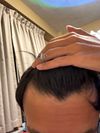
The conversation discusses the effectiveness of oral minoxidil versus topical minoxidil with tretinoin for hair regrowth, with some users suggesting oral minoxidil might be more effective for non-responders to topical treatments. Concerns about side effects and the role of enzymes in activating minoxidil are also mentioned.
The conversation is about finding a source for a topical solution combining minoxidil with other ingredients like finasteride, dutasteride, or retinol. The user seeks recommendations for purchasing these enhanced formulations.
Dr. Bloxham's new channel will discuss verteporfin and other future hair loss treatments. Users express interest and hope for the effectiveness of these treatments.
A 28-year-old male experienced hair regrowth using a topical spray containing minoxidil, finasteride, and tretinoin, along with occasional microneedling, after stopping oral finasteride due to side effects. He is pleased with the progress after three months and plans to continue using the spray.
A 36-year-old experienced significant hair regrowth using minoxidil, finasteride, and tretinoin with minimal side effects. He plans to continue the treatment, hoping for more targeted solutions in the future.
The efficacy of microneedling for hair regrowth as either a stand-alone therapy or adjunct to Minoxidil, and whether Tretinoin is a safer and more effective option. Replies include personal accounts from users who have had success with microneedling in combination with minoxidil and peptide serums, as well as considerations of technique, depth, and potential scarring.
Rapamycin, finasteride, and minoxidil are discussed as a strategy for hair loss prevention and reversal. Pulsed dosing of rapamycin is suggested to avoid conflicting effects with minoxidil.
High frequency ultrasonography and HR-MRI can help identify hair shedding causes like inflammation and fibrosis. The conversation discusses the potential of using these technologies to evaluate treatments like Verteporfin for hair regeneration.
