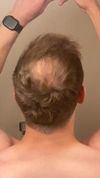
The conversation discusses the struggle with diffuse hair thinning and the effectiveness of treatments like finasteride, minoxidil, and RU58841. Users share experiences of hair thickening and shedding stopping with these treatments, but results vary and some are skeptical.
A 31-year-old male with low normal-range testosterone and DHT is experiencing significant hair loss from the front scalp. He has tried Minoxidil, vitamin D3 and B12 supplements, and exercises regularly but is still seeking the root cause and effective treatment.
People are discussing creative ways to hide hair loss, such as using specific hairstyles and hair fibers. Some mention using medications like Minoxidil and finasteride to improve hair growth.
The user experienced hairline recession after stopping finasteride due to developing gyno and is seeking advice on whether to restart with a lower oral dose or try a topical solution with minoxidil and finasteride. They are looking for a safe and effective way to manage hair loss without worsening the gyno.
A user in their mid-30s experienced unexpected hairline regrowth after starting a new supplement stack, despite being on a regimen of finasteride, minoxidil, and Nizoral for over four years. The new supplements include Tongkat Ali, Fadogia Agrestis, Panax Red Ginseng, Vitamin B1, Vitamin D3, Zinc Picolinate, Magnesium Glycinate, Maca, and L-Citrulline.
Finasteride is effective in promoting hair growth and reversing hair miniaturization in men with androgenetic alopecia, with improvements seen in various studies over different durations. Some users report initial side effects like ball ache, which often resolve as the body adjusts.
The user is experiencing hair loss despite using estradiol, bicalutamide, dutasteride, and topical minoxidil. They stopped minoxidil temporarily, which worsened their condition, and are considering oral minoxidil but are concerned about side effects and cost.
The user has been losing hair since age 12 and is now starting treatment with 0.5 mg dutasteride and 2.5 mg minoxidil at age 29. They have also experienced dandruff and have a thinning crown.
The post discusses a user's successful hair recovery using minoxidil, finasteride, and hormone replacement therapy (HRT) with cyproterone acetate and estradiol. The user experienced significant improvement in hair density and hairline recovery.
The user is considering switching from liquid to foam minoxidil for hair loss at the crown, while already using finasteride pills. They are also contemplating a hair transplant due to ongoing hair thinning.
The conversation discusses regret over delaying hair loss treatment, specifically with finasteride, and the emotional impact of hair loss. The user eventually stabilized their hair using oral finasteride after trying other treatments like topical finasteride, Fluridil, and Alfatradiol, and is considering future options like a hair transplant.
A person experienced hair loss after switching from finasteride to dutasteride and returned to finasteride, adding oral minoxidil. Dutasteride may increase scalp testosterone, worsening hair loss for some individuals.
The user experienced rapid diffuse hair thinning for five years despite no signs of AGA or miniaturization. They tried finasteride and oral minoxidil without success and have checked thyroid, iron, and vitamin D levels.
The conversation discusses various treatments for hair loss, including minoxidil, finasteride, and topical dutasteride, with users debating their effectiveness and side effects. Despite the treatments, many believe androgenetic alopecia (AGA) ultimately prevails in the long term.
A 21-year-old has been using oral finasteride, topical minoxidil, and tretinoin for 2 months and notices potential regrowth with baby hairs. They consider adding dutasteride weekly but wonder if current treatments are sufficient.
The user experienced initial regrowth with finasteride and minoxidil but is now facing increased hair thinning, possibly due to a second shedding phase. They are considering increasing finasteride dosage or adding dutasteride, despite availability issues, and have started microneedling.
The user shared their hair restoration journey, using dutasteride, topical minoxidil, and a 2,300 graft hair transplant, resulting in significant improvement. They are happy with the results and do not believe the hair system worsened their hair loss.
Reincarnation humorously suggested as a hair restoration method, with exaggerated and satirical discussions on finasteride use. The conversation includes jokes about side effects and the absurdity of extreme measures for hair loss.
Hair loss treatments, specifically Minoxidil and the tap method; Finasteride was also discussed but not recommended due to its side effects. Price and other information were requested.
Finasteride and minoxidil are humorously discussed as hair loss treatments, with exaggerated suggestions like rectal application and high doses of dutasteride. The conversation is satirical, with users joking about unconventional methods and outcomes.
Hair follicles can potentially produce more hair strands with treatments like Minoxidil and finasteride. Notable improvements in hair density are possible, but achieving multiple strands per follicle is uncertain.
The user is experiencing hair thinning and loss at the temples, likely due to androgenetic alopecia. Suggested treatments include finasteride and minoxidil to slow hair loss and promote regrowth, with buzzing hair short as a styling option.
The user tried minoxidil 5% for 3 years with little improvement, then switched to a 15% minoxidil with 0.1% finasteride solution once daily and started using pyrilutamide, resulting in significant hair regrowth over time. They are considering a hair transplant but are continuing with topical treatments to maximize hair growth first.
GT20029 is a potential treatment for androgenetic alopecia, addressing the root cause by targeting androgen receptors, unlike Minoxidil or Finasteride. It is seen as a preventative measure rather than a regrowth agent, with hopes for market release soon.
Excess Vitamin A and topical retinoids can cause diffuse hair shedding. The user suspects their chronic telogen effluvium may be linked to using adapalene, a topical retinoid.
The user is unhappy with the results of their second hair transplant, feeling that grafts were wasted on an already transplanted hairline instead of increasing mid-scalp density. They regret stopping medications like Dutasteride, Minoxidil, and RU58841, which led to significant hair loss, and plan to restart them.
The conversation is about using minoxidil for diffuse thinning after finasteride showed no regrowth. Tips include applying minoxidil directly to the scalp, considering potential shedding, and being cautious with combining tretinoin due to possible irritation.
The conversation is about organizing hair regrowth results using a standard format in a single post for easier access. Treatments mentioned include oral minoxidil, oral finasteride, and dermarolling.