Low Dose Naltrexone (LDN) may reduce inflammation in alopecia conditions. It is discussed as a potential adjunct treatment with finasteride or dutasteride for androgenic alopecia.
Pyrilutamide is seen as effective for maintaining hair without regrowth, while Minoxidil is known for growing new hair but causes shedding of old hairs. There is a question if using Pyrilutamide would inhibit the hair regrowth effects of Minoxidil.
The user is experiencing significant hair shedding after starting RU58841, despite using dutasteride and oral minoxidil for over a year without stabilization. Others suggest continuing the treatment as shedding can be a normal phase, but caution that RU58841 is unpredictable.
The conversation discusses a hair loss protocol and compares it to using finasteride and minoxidil. It suggests that while the protocol includes some good advice, it may not surpass the effectiveness of established treatments like finasteride and minoxidil.
Akinfenrawr experienced negative side effects from oral finasteride and RU58841, and is seeking alternative hair loss treatments. They discuss various options, including raloxifene, oral dutasteride, liposomal finasteride, Breezula, Pyrilutamide, SM04554, and sulforaphane, but have concerns about efficacy, availability, and cost.
A user beginning to take Pyrilutamide as a treatment for their hair loss, and other users sharing their experiences with the drug or similar treatments such as Minoxidil, Finasteride, and RU58841.
After experiencing hair loss due to alopecia areata following COVID-19 vaccination and infection, the individual saw improvement with steroid treatments and Olumiant. They paused Olumiant during a second COVID-19 infection and expressed concern about potential hair loss flare-ups.
Pyrilutamide from RUdirect is discussed, with users sharing experiences and alternative sources like Koshinemall. Users mention using treatments like minoxidil, RU58841, and dutasteride for hair loss.
The conversation is about testing the effectiveness of RU58841 for hair loss, with the user planning to increase their dose to 30 mg per day along with 20 mg of Minoxidil. The test results showed approximately 70 mg/ml, which the user considers a good result.
The conversation discusses switching from oral to topical treatments for hair loss, specifically using a mix of retinoic acid, finasteride, and minoxidil, after oral treatments like dutasteride and finasteride were ineffective. The user is concerned about the cost and potential impact of dandruff on the absorption of topical treatments.
The user experienced significant hair regrowth using a combination of minoxidil, finasteride, various serums, and micro-needling, leading to increased confidence and consideration of a hair transplant. Despite initial baldness due to past health issues, the user is pleased with the progress and continues to use treatments like Pilgrim, Md Hair, Bodywise Roller, and Bouf serums.
Adding tretinoin to a regimen of minoxidil and finasteride led to increased hair shedding and worsened hairline for some users. Opinions vary, with some experiencing negative effects and others seeing no issues, but concerns about tretinoin's impact on hair loss are common.
The conversation discusses using 23andme to determine if someone might respond well to minoxidil for hair loss treatment, and mentions the user's personal experience with micro-needling and minoxidil.
The conversation is about when the phase 3 results for pyrilutamide, a potential hair loss treatment, will be released. There was a letter about the study a month ago, but the actual results were not included.
The conversation discusses arranging an interview with the developers of RU58841 to clarify its safety and reasons for halted research, with some users expressing concerns about potential risks and others citing financial reasons for the discontinuation of studies. Specific treatments mentioned include RU58841, minoxidil, and finasteride.
A user is excited to start using Pyriltamide for hair loss after experiencing side effects from topical finasteride. Other users discuss the potential and skepticism of Pyriltamide compared to older treatments like finasteride and RU58841.
First patient dosed with Pyrilutamide (Kintor) Phase III for hair loss treatment. Pyrilutamide differs from approved treatments as it competes with DHT to bind hair follicles, potentially reducing side effects.
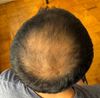
My hairline, I am only 23.
This conversation is about a user's experience with treatments for androgenic alopecia, including finasteride, dutasteride, RU, minoxidil, progesterone, melatonin, LLLT, oral minoxidil, and Pyrilutamide. They have tried many treatments over the course of two years without seeing much success, and they are considering getting a hair system as a last resort.
KX-826 (Pyrilutamide) being tested in the US for hair loss treatment and that they have found enough people to participate in phase II clinical trials. Other treatments discussed are Minoxidil, finasteride, and RU58841.
The experiences of users who have used RU58841 to treat hair loss, including both positive and negative effects. Some side effects reported include chest pain, joint pain in the hands, tinnitus, and increased heartbeat.
The user experienced hair regrowth and thickening using 1mg oral finasteride, 3mg oral minoxidil, biotin, vitamin D, red light therapy, and microneedling. Some shedding occurred around 4-6 weeks into the treatment.
Alfatradiol (0.025%) is an effective and safe treatment for androgenetic alopecia in both men and women, increasing anagen hair rates with minimal side effects. Users discuss its cost-effectiveness and ease of use compared to other treatments like finasteride and RU58841, with some combining it with stemoxydine and Minoxidil.
A user shared their experience of hair loss progression after one year on dutasteride, expressing disappointment with no improvement and considering other treatments like RU58841. Other users offered mixed responses, some seeing no change, others suggesting the hair loss might have been worse without treatment, and discussing the role of testosterone and DHT in hair loss.
The conversation is about the interest in testing verteporfin, potentially with a dermaroller, for hair loss treatment. There is frustration over the lack of group buys for promising treatments compared to past efforts with less evidence.
TGF-B affects hair growth, both causing stem cell division and death depending on amounts. Amplifica's treatment injects Scube3 to increase TGF-B for hair growth.
Transplanting mice skin to humans is not feasible due to immune rejection, but some suggest genetic modification or immune suppression could make it possible. Xenograft hair transplants are discouraged.
RU58841 is being discussed for its effects on hair loss. The user has started using RU58841 with finasteride and is curious about its potential for hair maintenance or regrowth.
RU58841 worsened hair condition, causing thinning and unusual patterns. The user stopped using it two months ago but hasn't seen recovery, and there's speculation about androgen receptor upregulation.
Concerns about the long-term safety of VDPHL01, an extended-release minoxidil, due to potential risks similar to Cantu syndrome, were raised, highlighting the lack of monitoring for chronic connective tissue changes. The conversation suggests that while the treatment may improve hair growth, it could lead to issues not detected in short-term trials.