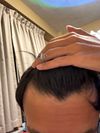
A 23-year-old male has been using topical finasteride and minoxidil for 2 years and switched to oral minoxidil in January. He is considering whether to get a hair system or a transplant.
A 27-year-old male with AGA and diffused thinning has been using oral Minoxidil, Finasteride, Vitamin D, B12, Iron, and Ketoconazole shampoo. Despite a hair transplant and improved blood levels, he continues to experience hair loss and suspects a possible misdiagnosis of Alopecia Areata Incognita.
The user experienced an elevated heart rate from using topical Minoxidil and discontinued its use. They found that adding a daily protein shake helped with telogen effluvium.
A 23-year-old male experiencing severe hair loss stopped treatments for a year and is considering a hair transplant. Suggested treatments include Minoxidil, finasteride, and RU58841.
A 30-year-old considering a hair transplant has been using treatments like oral Minoxidil, Dutasteride, topical Minoxidil, copper peptide serum, red light laser therapy, microneedling, and vitamin therapy for hair loss. They are advised that a hair transplant is still an option, but maintaining current treatments is crucial to support the transplant and prevent further hair loss.
A user shared progress pictures after 4 months of using oral Minoxidil and Finasteride, noting significant hair growth and some greying. Replies praised the results and inquired about the user's age, who is 33.
The user experienced positive hair regrowth using topical minoxidil, along with other factors like shorter hair, castor oil, and hair masks. The user is optimistic about further progress and wants to avoid baldness.
The user experienced new hair growth after switching from oral finasteride to topical RU58841 with minoxidil and undergoing stem cell therapy. They noticed new hairs at the hairline and temples, but are unsure which treatment is responsible.
Hair loss is influenced by multiple genetic factors, not just maternal lineage. Treatments like finasteride, minoxidil, and nizoral are suggested if male pattern baldness progresses.
A 20-year old female experiencing hair loss, who has had normal blood tests and is currently using minoxidil as recommended by her doctor. She is asking if there are any other treatments she should consider.
The conversation is about hair loss anxiety and treatments like Minoxidil and finasteride. Users discuss self-acceptance, relationship support, and alternatives like shaving or learning to cut hair at home.
Acknowledging the struggle of hair loss, discussing treatments like finasteride, minoxidil and RU58841, and providing support to those dealing with it.
The conversation discusses Shiseido's RepliCel Hair-01 technology for hair regeneration, which aims to stop hair loss with minimal regrowth. Treatments mentioned include Minoxidil, finasteride, and RU58841.
A Swiss product called Redensyl, which is supposed to target hair follicle stem cells and has recently been marketed in Europe. The post inquires if anyone has had any experience with the product.
The conclusion of this conversation about hair loss is that the user, y00sh420, tried various treatments including a $700 lllt helmet, topical minoxidil and finasteride, spectraDNC, and micro needling, but did not achieve the desired results. They have decided to stop trying until a cure for male pattern baldness is found. Other users expressed different opinions on hair loss treatments.
A user who has seen positive results after 7 years of treating their hair loss with Rogaine, Nizoral Shampoo, and finasteride. Other users have also shared advice about micro-needling in combination with minoxidil.
A 36-year-old has been using 1mg oral finasteride daily and minoxidil foam twice daily for 18 months, experiencing significant hair regrowth with no side effects. Initial shedding occurred, but noticeable improvements began around 11 months, with major changes by 16 months.
The effects of hair loss on mental health, treatments such as finasteride, minoxidil, RU58841 and microneedling red light therapy, and the realization that while treating hair loss can be beneficial, it does not solve all underlying insecurities.
A user successfully regrew hair after nearly going bald by using oral finasteride, topical minoxidil, plasma injections, and mesotherapy over 9 months. They plan to try derma rolling and have an alarm set for taking medication, noting increased sexual drive as a side effect.
A user successfully regrew hair using finasteride, minoxidil, ketoconazole shampoo, biotin supplements, and rosemary mint oil, despite initial side effects. They highlighted the need for commitment, a healthy lifestyle, and being a "hyper responder" to treatments.
A woman experiencing severe hair loss since age 20 is seeking advice on hair transplants for women. Minoxidil hasn't worked for her, and she's considering shaving her head or getting a wig.
The user noticed hair thinning since age 15, initially attributed to a Vitamin D deficiency. They are currently using Rogaine and considering Propecia but are hesitant about a scalp biopsy; they seek financially practical treatments for male-pattern baldness.
User noticed balding 3 years ago and started using finasteride 11 months ago. Recently tried Toppik hair fibers, which improved appearance and boosted confidence.
The user has been dealing with hair loss for 10 years, worsened by psoriasis, and uses minoxidil and finasteride. They seek advice on managing psoriasis and hair loss, with suggestions to see a dermatologist, try different shampoos, and be patient.
The user experienced hair regrowth and stabilization at Norwood 2 using natural remedies like pumpkin seed oil, rosemary oil, vitamins, and scalp massages, avoiding minoxidil and finasteride due to side effects. Another user suggested starting topical finasteride earlier to prevent further hair loss.
A user encouraged others experiencing hair loss to try shaving their heads, sharing their own positive experience despite briefly using finasteride and natural methods. Responses were mixed, with some supporting the decision and others suggesting treatments like minoxidil and finasteride, while many commented on the appearance changes.
Hair loss without a white bulb may indicate mechanical damage, anagen effluvium, alopecia areata, or traction alopecia. Seeking a specialist is recommended, but access can be difficult in smaller areas.
A user shared their boyfriend's hair progress after using topical minoxidil 5%, oral finasteride 1 mg, supplements, rosemary scalp pre-wash, ketoconazole shampoo, red light therapy, and PRP sessions. The user plans to start dermarolling in January and has noticed significant improvement in hair density.