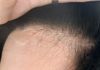
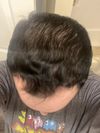
The user is using caffeine shampoo with baicapil, microneedling, massage, and procapil lotion for hairloss. Replies suggest the user is balding and recommend finasteride.
A 21-year-old male is experiencing a receding hairline and has tried tea tree oil and hair growth shampoo without success. He is considering products from companies like Hims, Happy Head, and Dermose for treatment.
User RG737 considers hair system as last resort for hairloss, as finasteride and alternative remedies didn't work. Jeff-92 shares positive experience with hair system, suggesting to try it and push through initial doubts.
Hairloss treatments discussed include microneedling, minoxidil, tretinoin, finasteride, dutasteride, pumpkin seeds, saw palmetto, and scalp massage. The consensus is that finasteride or dutasteride is necessary for significant regrowth, while other methods may only slow hairloss.
Mesotherapy Dutasteride is considered highly effective for reducing scalp DHT and potentially reversing hairloss. However, one user reported systemic side effects and no improvement in hairloss.
A 20-year-old male experiencing hairloss is using finasteride for 8 months and is considering a digital perm but is concerned about potential hair damage, especially at the thinning hairline. Advice given includes continuing finasteride, using gentle hair products, and possibly trying topical minoxidil or CBD cream for scalp care.
BigLu2012 tried various hairloss treatments for 3 years, including Fin, Min, and RU, but experienced side effects and worsening hair condition. Ready-Character1581 suggested focusing on mental health and not stressing about hair, as it looks better than most.
A 27-year-old is considering a hair transplant after unsuccessful minoxidil and dermarolling use, but is hesitant about finasteride due to potential side effects. Users advise trying finasteride or dutasteride to prevent further hairloss and suggest that a transplant won't stop balding without medication.
The user shared their journey from hairloss at 17 to a full head of hair using topical finasteride, Saw Palmetto, a natural serum with stem cells and rosemary oil, dermarolling, and a specialized shampoo. They experienced side effects with Dutasteride and found success with their current routine without side effects.
The conversation is about personal routines to combat hairloss, including treatments like Minoxidil, Finasteride, RU58841, vitamins, and dermastamping. Specific methods vary, with some using daily topical applications, oral medications, and weekly procedures like dermarolling and special shampoos.
A 15-year-old is experiencing hairloss and is considering treatment options. They are aware they cannot use DHT blockers like finasteride due to their age and are exploring other causes like Telogen Effluvium.
The conversation discusses preventative hair care measures for hairloss, focusing on non-prescription treatments like rosemary, peppermint, castor oils, microneedling, and ketoconazole shampoo. It also touches on the use of finasteride, minoxidil, and RU58841 for those experiencing hairloss.
A 28-year-old woman with genetic hairloss has tried various treatments, including oral minoxidil, finasteride, dutasteride, vitamins, ketoconazole shampoo, exosome needling, and hair extensions. She plans to pause treatments for pregnancy and is concerned about potential hairloss during that time.
A user is worried about hairloss despite using finasteride, oral minoxidil, and keto shampoo for two years and is considering switching to dutasteride. Responses suggest patience, lifestyle changes, or trying additional treatments like microneedling.
The user is considering starting minoxidil or getting their scalp checked for permanent scarring due to noticing thinner hair after bleaching. They are seeking advice on hairloss remedies.
The conversation discusses a hairloss treatment regimen involving dutasteride, pyrilutamide, oral minoxidil, and microneedling, with the aim of suppressing DHT and stimulating hair growth. Users debate the effectiveness and potential side effects of these treatments, noting that individual results may vary and that no treatment is foolproof.
The conversation discusses the potential of GT20029 to stop hairloss and possibly regrow hair, considering the body's regenerative abilities. No specific treatments were mentioned due to the original post being removed.
Scientists discovered a new T cell treatment that could regrow hair. Users are skeptical but hopeful, with some relying on finasteride and minoxidil in the meantime.
The conversation humorously discusses two resilient hair strands that resist DHT, with mentions of minoxidil and finasteride as ineffective treatments. Users joke about cloning the hairs and the mystery of baldness.
The conversation discusses dissatisfaction with current hairloss treatments that mainly focus on DHT blockers like finasteride and dutasteride. Alternative treatments mentioned include RU58841, pyrilutamide, minoxidil, rosemary oil, and future possibilities like hair cloning.
The conversation is about individuals noticing others with full hair while experiencing their own hairloss. Some use treatments like Minoxidil and Finasteride, while others joke about noticing receding hairlines or suggest that hats and wigs are used to hide baldness.
A user is experiencing accelerated hairloss and is struggling to maintain their mohawk. They are seeking alternatives to Minoxidil and Finasteride, considering a hair transplant, and looking for a doctor in Berlin who can prescribe Finasteride.
The conversation discusses alternatives to minoxidil and finasteride for hair regrowth, with mentions of essential oils, PRP therapy, and RU58841. The focus is on finding treatments with minimal side effects, especially concerning fertility.
The person experienced worsening hairloss despite using minoxidil, finasteride, and dutasteride. They are considering increasing dutasteride dosage, trying microneedling, RU58841, and oral minoxidil, and are advised to consult a trichologist.
The conversation discusses various theories of hairloss, including DHT sensitivity and genetic factors, with the user willing to use themselves for research due to having a hairloss gene but different hairloss patterns compared to their brothers. Specific treatments were not mentioned in the provided text.
The conversation discusses the safety and effectiveness of a hairloss drug, GT20029, and the possibility of infrequent application, with users hoping for once-daily use and speculating on the drug's duration of effect on the scalp. Specific treatments mentioned include Minoxidil, finasteride, and RU58841.
A 19-year-old is unsure if their hair is receding or just maturing and is seeking opinions before starting treatments like Minoxidil, finasteride, or RU58841. They shared recent and past photos to compare changes over a few months.
Improved sleep has significantly benefited hair health, with noticeable regrowth at the hairline and possibly the crown, alongside better skin and mood. Consistent sleep, alongside treatments like finasteride and minoxidil, is recommended for better results.
User tried finasteride, minoxidil, redensyl solution, PRP sessions, essential oils, diet, exercise, and microneedling for hairloss. Experienced slight regrowth, reduced hair fall, and stopped hairline receding; advises realistic expectations and considering regrowth as a bonus.
A user successfully stopped balding by switching from topical to oral minoxidil, finasteride, and biotin, noting significant improvement after a year. They emphasize the importance of oral finasteride and consistent use for hair regrowth.