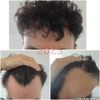
User tried dutasteride, topical finasteride, oral minox, dermawounding, saw palmetto, pumpkin seed oil, and ketacozonole for hair loss. Improvement was temporary, now trying RU58841 and seeking help.
Finasteride's potential side effects, especially sexual dysfunction, are discussed, with emphasis on hormonal balance between testosterone and estradiol. Users share experiences with finasteride, minoxidil, and dutasteride, highlighting the variability in side effects and the influence of mindset and lifestyle.
A 16-year-old is experiencing hair loss and is using minoxidil, finasteride, and plans to add RU58841, while considering other treatments like MK-677 and microneedling. Concerns are raised about the potential impact of these treatments on puberty and development.
Fluridil may decrease the number of androgen receptors in hair follicles by up to 95%. This suggests a different action mechanism from other non-steroidal antiandrogens like RU58841, indicating they might be used together.
The conversation discusses using supplements like zinc, L-Arginine, and ginseng to counteract finasteride side effects like lower libido and lack of morning erections. Users share their experiences with finasteride, noting varied side effects and the use of additional supplements like ginkgo and fish oil.
A 28-year-old male with a family history of baldness is deciding whether to start finasteride now or wait for visible hair changes. He is considering starting finasteride immediately to proactively address potential hair loss.
The conversation discusses anticipation for CB-03-01, a potential new hair loss treatment that may be more effective and have a cleaner safety profile than finasteride. Users are hopeful but cautious, discussing current treatments like minoxidil, nizoral, and dermarolling, and the possibility of combining them with CB-03-01 for better results.
GT20029 is discussed as a potential treatment for androgenetic hair loss by targeting androgen receptors, unlike finasteride which reduces DHT broadly. Concerns include its effectiveness, genetic variations in androgen receptors, and availability, with some skepticism about its potential as a true alternative.
The user experienced significant hair improvement over two years using finasteride, minoxidil foam, and ketoconazole, despite some initial shedding and a side effect of watery semen. They are satisfied with the results and encourage others to persist with their treatment.
Reishi mushroom is significantly weaker than finasteride for inhibiting 5 alpha reductase, requiring much larger quantities to achieve similar effects. The effectiveness and safety of consuming large amounts of Reishi for hair loss are uncertain.
People on testosterone replacement therapy (TRT) with aggressive androgenetic alopecia (AGA) discuss using Dutasteride or Finasteride, sometimes combined with topical treatments like RU58841 or CB-03-01 (Breezula), to prevent hair loss. Concerns about side effects and costs of certain treatments are mentioned, with one individual sharing their experience of slowed hair loss using Finasteride alone.
The user has been using finasteride for hair loss and is considering adding RU58841. They ask about RU58841's effectiveness, potential heart side effects, duration of action, dosage increase over time, transitioning to GT20029, and where to find the liquid form.
The user experienced successful hair regrowth with Finasteride and Minoxidil but developed erectile dysfunction and abdominal pain, possibly due to medication or lifestyle changes. They plan to consult a urologist and consider adjusting medication or trying supplements like zinc, DIM, or boron.
An 18-year-old male stopped using finasteride due to side effects and plans to start topical dutasteride, considering it a potential solution with fewer side effects. He continues using minoxidil despite no noticeable results and is exploring other treatments like RU58841.
The conversation is about determining which type of Saw Palmetto, either Chamaerops humilis or Serenoa repens, is effective for inhibiting the 5 alpha reductase enzyme related to hair loss. Specific treatments mentioned are Minoxidil, finasteride, and RU58841.
Topical finasteride with hydroxypropyl chitosan shows significantly less serum absorption and minimal DHT reduction compared to oral finasteride. Users need the specific chitosan formulation to avoid side effects seen with regular ethanol+PG solutions.
Lab-grown hair using iPSCs is being explored, but practical applications are limited. Finasteride is suggested as the only current effective treatment.
Finasteride was intentionally developed to treat BPH and later approved for male pattern baldness (MPB) due to its 5AR inhibition effects. The delay in MPB approval was due to concerns about off-label use for female hirsutism and the prioritization of treating a more debilitating condition.
The user is attempting to create a topical finasteride solution by mixing crushed finasteride pills with minoxidil but is facing solubility issues. They are unsure if the finasteride has dissolved properly and are seeking advice on whether it is safe to use and if there is a solution to the problem.
User shares 8-month progress on oral finasteride and minoxidil, noting initial success followed by a second shed. They seek advice on drug resistance and pill efficacy, with responses suggesting to push through the shed and consider the impact of cycling off minoxidil.
The conversation is about managing allopregnanolone deficiency caused by 5-alpha-reductase inhibitors like finasteride or dutasteride. Specific treatments discussed for hair loss include Minoxidil, finasteride, and RU58841.
A user reported that Procerin, containing Saw Palmetto and Pumpkin seed oil, provided similar hair thickening results as finasteride but with milder side effects. They experienced reduced libido and watery ejaculations but are adjusting the dose to minimize these effects.
Stopping minoxidil may cause baby hairs to fall out, but continuing with finasteride alone is an option. Consider trying a different minoxidil formulation or using ketoconazole to manage scalp issues.
The conversation discusses using cyproterone acetate at 12.5 mg to manage hair loss, with concerns about its effects on testosterone and potential health issues. Other treatments mentioned include finasteride, dutasteride, minoxidil, and RU58841, with varying experiences and outcomes.
A dutasteride simulator predicts that daily 0.5 mg dosing results in higher DHT suppression compared to less frequent dosing. Twice-weekly dutasteride may be as effective as finasteride 5 mg, providing a balance between efficacy and ease of use.
The conversation is about gathering serum DHT data from individuals taking dutasteride to investigate its efficacy, especially in cases with unexpectedly low DHT reduction. The aim is to explore potential genetic factors affecting drug metabolism.
Finasteride has led to significant hair regrowth for some users, with noticeable improvements in two months, but side effects like erectile dysfunction have caused some to stop using it. Some users combine finasteride with minoxidil and other supplements, despite concerns about side effects.