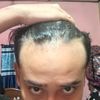
Choosing between two hair loss treatments, with a preference for a higher concentration of RU58841 and 5% minoxidil, avoiding oils like castor and argan that may hinder absorption.
The user reports thicker and fuller hair after using finasteride, topical minoxidil, RU58841, and dermarolling for two years. Consistent lighting is noted as important for progress pictures.
Vitamin D deficiency can hinder hair recovery, and addressing it may help with hair loss. Hair loss may result from various issues like excess DHT, vitamin deficiency, or scalp inflammation.
The user is experiencing hair loss at Norwood 2.5 and is using minoxidil, finasteride, and vitamins, noticing minimal regrowth after 8 months. They are considering using a dermaroller but are unsure of its effectiveness.
Minoxidil and finasteride may affect digestion, potentially causing issues like GERD, constipation, and inflammation. The user plans to stop minoxidil for a month and consult a nutritionist about diet changes.
The user is experiencing hair loss and has tried various treatments including topical and oral finasteride, minoxidil, dutasteride, and ketoconazole, but continues to lose hair. They are considering alternative solutions like hair systems due to the lack of improvement and a scalp condition called CVG.
The conversation is about the safety of using a product with azelaic acid and other ingredients on a receding scalp for hair loss. Specific treatments mentioned are Minoxidil, finasteride, and RU58841.
RU58841 is being mixed with Minoxidil solution, but concerns arise about water causing instability. Mixing with water may lead to hydrolysis, potentially reducing effectiveness.
PP405, a topical LDH inhibitor, has shown to stimulate hair follicle stem cell proliferation in humans with moderate hair loss. They are advancing to more detailed trials this year.
Use tretinoin three times a week, dermaroll once a week, and apply minoxidil daily, but avoid using all three on the same day. Tretinoin is preferred over hydrocortisone and should not be used immediately after dermarolling.
The user shared progress pictures after three months of using RU58841, finasteride, and OM (oxidative stress modulators) for hair loss treatment. They haven't noticed much change but are seeking feedback on their results.
In the post, Rauph talks about how both finasteride and minoxidil have been effective treatments for his hair loss, suggesting that they should be used by others in similar situations.
Rob Holding's hair transplant, which looks great despite the edited image of it; many respondents discussed their opinions on the hairstyle, while others suggested treatment options like Minoxidil and Finasteride.
A user is trying Relora supplements to reduce stress-induced hair shedding. They are frustrated with ongoing hair loss and are open to trying new solutions.
Amplifica is testing a compound called AMP-303 for hair loss, but it's not Scube3 or osteopontin. The timing for the results from the clinical trial is unknown.
The user experienced side effects from various hair loss treatments, including RU58841, finasteride, and dutasteride. They are uncertain about what treatment to try next.
Rob English, known for promoting scalp massages for hair regrowth, now sells his own brand of finasteride and minoxidil. Opinions are mixed, with some calling him a charlatan and others acknowledging his shift towards scientifically-backed treatments.
The user has been using finasteride for two years without results and recently started a new routine involving derma stamping, retinol, and minoxidil, which seems to show progress. The user microneedles about half the week and uses L’Oréal night serum for retinol.
The conversation discusses using estradiol mesotherapy to replicate hormone replacement therapy results while minimizing systemic exposure. It also covers the use of Spironolactone cream, which reportedly has no systemic side effects, and the potential risks of using bicalutamide and Spironolactone in men.
HMI 115 is being discussed as a potential hair loss treatment, with skepticism due to past disappointments like cosmeRNA, brezula, and pyrilutamide. The user is questioning if they should be hopeful for new developments in the next six years.
GT20029 and CosmeRNA are both potential hair loss treatments; GT20029 breaks down the androgen receptor, while CosmeRNA prevents its production. Continuous use is needed, but less frequently than current treatments like Minoxidil and Finasteride.
Veradermics' phase 2 trial of slow-release oral minoxidil shows promising hair regrowth with minimized side effects, gaining significant attention and funding. PP405 is also noted for its potential as a side-effect-free alternative.
A user's father experienced hair regrowth and other health improvements after two IV exosome treatments. The user also had four rounds of exosome therapy, noting significant hair regrowth and relief from headaches, but no change in gray hair.
The conversation discusses experiences with hair loss treatments containing RootBioTec and Anagain. Users share their results and compare these treatments to Minoxidil, finasteride, and RU58841.
The conversation humorously discusses an extensive and exaggerated hair loss treatment regimen, including finasteride, dutasteride, minoxidil, pyrilutamide, RU58841, and various other therapies. Despite the numerous treatments, the effectiveness is questioned, and the user humorously considers adding more minoxidil.
The user is regrowing hair while using steroids by following a regimen that includes Rogaine, RU58841, Dutasteride, Nizoral, PGE2, and occasionally castor oil. Despite using harsh steroids like Tren, Masteron, and Proviron, the user reports successful hair regrowth.