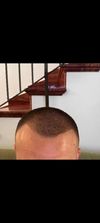
Redensyl improved hair thickness slightly with no side effects, but no regrowth. Minoxidil provided significant regrowth but caused facial side effects like puffiness.
Microneedling with 5% minoxidil improves hair growth for hair loss patients. Best protocol: 1.5mm dermaroller weekly for 12 weeks or 0.6mm dermapen every 2 weeks for 12 weeks, skipping topicals for 24 hours.
A 29-year-old shared their hair recovery progress using a liposomal topical finasteride/minoxidil solution, LLLT helmet, and vitamins, noting that transplants were only on the hairline. They highlighted the effectiveness of their regimen and addressed skepticism with photos.
The user reported subtle hair regrowth by focusing on scalp health and lifestyle changes, using Nizoral shampoo and methods to reduce inflammation and cortisol, without using finasteride, minoxidil, or other common treatments. Opinions in the conversation varied, with some skeptical of the results and others acknowledging the potential benefits of addressing scalp health and inflammation.
A 43-year-old started a hair loss routine using Hims 3-in-1 chewable, topical minoxidil, rosemary oil, supplements, and microneedling, showing early progress in less than two months. The user plans to grow their hair back as it becomes thicker, expressing satisfaction with the current results.
A user shared their positive experience with a 4750 graft hair transplant at Dr. Orçun Clinic in Istanbul, including a high-quality exosome treatment. Despite skepticism and accusations of advertising, the user expressed satisfaction with the natural-looking results and the doctor's personal involvement.
Hair loss treatments include finasteride, minoxidil, and scalp exercises. Opinions vary on the effectiveness, with some attributing hair loss to muscle tension and inflammation, while others focus on genetics and DHT.
A user is attempting to recover from severe hair loss using 1.25mg finasteride, 5mg topical minoxidil twice daily, pyrilutamide for a month, RU58841 for two weeks, and weekly microneedling at 1.5mm. They have seen new hair growth after two months and plan to continue the treatment for a year with the hope of regrowing enough hair for a transplant.
Hair loss treatment using minoxidil and finasteride, with the user experiencing a shed after reducing the frequency of application and stopping microneedling. The user is now waiting for new hair growth and hoping to see similar results as before.
User shared 1-year finasteride and 5-month oral minoxidil, nizoral, and microneedling progress. Reply suggests full results may appear after 1-2 years, and results look promising.
A 29-year-old male experienced hair thinning and used topical minoxidil, finasteride, and RU58841, but stopped RU58841 due to health concerns. He is considering adding topical dutasteride and switching to oral minoxidil to enhance regrowth, while others suggest using ketoconazole shampoo, microneedling, and lifestyle changes like diet and exercise.
A user's hair loss treatment regimen, which includes minoxidil, ketoconazole shampoo and microneedling; some participants questioned the results due to previous posts about hair transplants, but others agreed that quick results are possible with certain treatments.
A successful hair transplant with 3100 grafts combined with topical finasteride, minoxidil, Viviscal, biotin, sulfate free shampoo and Nizoral. People in the conversation talk about how the results look perfect and discuss the number of grafts and cost involved.
The user experienced eyebrow hair loss after COVID-19 and has not seen regrowth despite using Latisse. They are seeking new treatment options but are cautious about spending money on ineffective solutions.
A user who experienced significant hair regrowth over the course of one year by following a regimen including finasteride, minoxidil, Nizoral shampoo, dermarolling, biotin vitamins, vitamin D3 and collagen peptides. The post includes before/after photos and details on the brands used.
The user experienced significant hair improvement over nine months using a routine of oral finasteride, mixed topical and oral minoxidil, microneedling, and Head & Shoulders shampoo. The user attributes the progress to oral minoxidil and reduced stress during paternity leave.
Rejuv-3X, a topical blend with GHK-Cu, AHK-Cu, and JXL-089, is used for hair loss, offering a targeted option without finasteride's side effects. The user plans to combine it with microneedling for enhanced results.
A user shared progress pictures 1.5 months after a hair transplant of 3500 grafts, using oral finasteride, topical finasteride, minoxidil, and vitamins. They are concerned about potential shock loss and the thinning appearance.
User shared 4.5-month hair loss treatment results using Fin, Minoxidil, and microneedling. Others discussed postponing hair transplant and adjusting microneedling depth.
The user has been using minoxidil, finasteride, dermastamping, and Nizoral for hair loss with initial success but is considering adding PRP due to slowed progress. Concerns about PRP include potential ineffectiveness and whether it could harm existing hair growth or interfere with current treatments.
The user experienced significant hair regrowth using a regimen of minoxidil 5% twice daily, finasteride 1 mg daily, microneedling, ketoconazole 2% twice a week, and occasional castor and coconut oil, along with daily scalp massages. They are optimistic about reversing their Norwood 5/6 hair loss.
A 28-year-old man had a hair transplant in India, choosing not to start finasteride due to past side effects with other medications but will use minoxidil for six months post-surgery. He researched and selected a clinic in Mumbai with a high reputation, underwent a 9-hour procedure for $965, and is optimistic about the results.
A 27-year-old shared progress pictures 4 months after a hair transplant, expressing satisfaction with the results and improved self-esteem. They have been using finasteride for nearly a year and minoxidil for 3 months, with significant reduction in hair loss.
A 26-year-old uses topical minoxidil, oral finasteride, and Nizoral shampoo for hair thinning and is considering microneedling but is unsure about the best approach. Users suggest using a 1.0mm dermaroller once a week, cautioning against overuse due to potential scarring, and some recommend combining microneedling with minoxidil for better absorption.
A 29-year-old male with androgenic alopecia was treated with oral Dutasteride, oral Minoxidil, and injectable Dutasteride, showing progress in 9 months. Some users believe Dutasteride mesotherapy is unnecessary and question its effectiveness compared to topical applications.
A user shared their experience 36 days after a hair transplant of 5500 grafts in Delhi, using topical minoxidil and finasteride, and plans to start oral finasteride. They reported less shedding than expected and strong early growth, while also maintaining a healthy lifestyle.
A user shared their 5-month hair transplant progress, having undergone a procedure with 4100 grafts at MedBlue in Istanbul for $3,600. They started taking oral minoxidil and finasteride daily after the transplant and use topical minoxidil with microneedling every two weeks, reporting positive results and no unwanted hair growth.
A user's 1 year progress using a combination of treatments, including Minoxidil BID, finasteride, microneedling, tretinoin, and ketoconazole shampoo, for hair loss. Replies included advice such as to consider switching the strength of minoxidil or getting a shorter haircut.
A user named "Redbone2222" shares their positive experience with a hair transplant procedure of 2500-3000 grafts, along with the use of 1mg finasteride daily and 5% topical minoxidil. They express satisfaction with the results and believe that finasteride has been more effective for them than minoxidil.