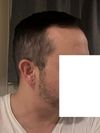
A user shared their 2-month results using Minoxidil 5%, dermarolling, ketoconazole shampoo, and castor oil for hair loss. They stopped using finasteride due to side effects.
A 29-year-old male experienced significant hair density loss in 18 days despite using Finasteride and Minoxidil consistently for years. He suspects the change in brands or other factors like shedding or androgenetic alopecia might be responsible and is seeking advice.
Minoxidil can cause initial hair shedding, but it's a sign the treatment is working. Users suggest combining it with finasteride and being patient, as hair often regrows after the shedding phase.
After a year of using finasteride, topical minoxidil, Nizoral shampoo, and derma stamping, the user experienced significant hair regrowth and increased hair density, despite an initial shedding phase. The user attributes the success to consistency and patience, noting that derma stamping significantly boosted regrowth speed and quality.
Significant hair regrowth was achieved using Minoxidil, Dutasteride, and derma stamping. The user noted improved hair quality and thickness with no side effects.
Pyrilutamide is discussed as a potential hair loss treatment, acting as an androgen receptor antagonist. The conversation questions if it can maintain hair long-term without using finasteride.
The user discovered they had been using fake minoxidil for months, leading to hair thinning, and decided to switch to a trusted brand from Walmart. Another user suggested seeing a dermatologist for prescription minoxidil and recommended Kirkland brand minoxidil and finasteride for effective hair loss treatment.
The user started with Finasteride at 19, added Dutasteride and Minoxidil at 26, but continues to experience hair loss. Suggestions include checking health markers, considering genetics, and possibly increasing Minoxidil dosage.
The user is pleased with their hair transplant results after six months and seeks feedback. The conversation is positive, with others affirming the success of the procedure.
A user plans to stop finasteride to improve sperm quality for conception and seeks advice on minimizing hair loss during the break, considering using topical minoxidil and medicated shampoo. Responses suggest continuing finasteride with precautions or highlight the lack of strong alternatives to finasteride and dutasteride for hair loss prevention.
The conversation is about OP's hair regrowth progress using dutasteride, 5% minoxidil, dermarolling, ketoconazole, adapalene, and vitamin D. Some users doubt the progress, attributing it to longer hair and lighting, while others congratulate OP on the visible improvement.
A 22-year-old shared their 6-month hair loss progress using only topical treatments like minoxidil, derma rolling, and red light therapy, without finasteride or oral medications. Other users suggested adding DHT blockers like RU58841 and ketoconazole shampoo for better results.
The user shared a 2-month progress update using topical finasteride and minoxidil for hair loss. The conversation included comments on the user's appearance and potential side effects.
The user is using finasteride 1mg daily for one month and ketoconazole three times a week for three months. They are comparing hair progress with photos from December 2025 and March 2026.
The user has been using minoxidil 5% twice daily for a year and finasteride 0.5 mg daily for five months, seeing noticeable hair growth without side effects. They are considering adding microneedling with a derma roller or stamp to their routine for enhanced results.
The conversation discusses hair loss treatments, mentioning minoxidil, finasteride, RU58841, VDPHL, GT20029, and follicle cloning as potential solutions. It also reveals that the discussion about PP405 was an April Fool's joke.
The shed phase from using finasteride and minoxidil can vary, with some experiencing noticeable hair loss and others having minimal shedding. Despite initial shedding, many users report eventual hair regrowth and improvement, making the treatment worthwhile.
A 19-year-old male experiencing hair loss is seeking advice on managing it without sexual side effects. He has used topical minoxidil and finasteride but experienced side effects, and is considering lifestyle changes to help slow hair loss.
The user has been using 5% minoxidil foam for 5 months with noticeable results and is considering adding finasteride. Suggestions include adding finasteride, using hair fiber spray, and trying microneedling for better results.
Many users criticize advice on forums that suggest shaving heads instead of trying treatments like finasteride for hair loss. They argue that maintaining hair is important for self-esteem and dating success, and that baldness often requires compensating with other attributes.
A 22-year-old male experiencing diffuse hair thinning has been using finasteride, initially at 0.5mg and then 1mg daily, but sees no improvement. Despite correcting a vitamin D deficiency and noticing some new hair growth, he questions the effectiveness of finasteride.
A user is taking 2.5 mg oral Minoxidil and was prescribed a topical oil with Minoxidil 8%, Dutasteride 0.05%, and Finasteride 0.5%. They are seeking opinions on whether this combination is excessive or appropriate.
Oral minoxidil is more effective than topical minoxidil for hair regrowth but may cause side effects like heart issues and increased body hair. Combining it with finasteride is common for better results, though side effects vary.
The user has been using minoxidil and finasteride for 7.5 months to address hair thinning, particularly at the crown and temples, and is considering additional treatments like tretinoin and dermastamping despite having chronic scalp folliculitis. They are experiencing progress but are concerned about side effects and the effectiveness of treatments on temple regrowth.
The conversation humorously discusses George Clooney's hair and aging, suggesting he switch to dutasteride for his temples. It also mentions minoxidil and finasteride, debating the effects of hair dye and styling on his appearance.
The user experienced significant hair regrowth over three years using a combination of dutasteride, oral minoxidil, dermarolling, and Nizoral shampoo. Initial side effects from finasteride subsided after switching to dutasteride, leading to improved hair density and thickness.
The user experienced improved hair thickness and density after using 5% minoxidil spray twice daily and 1mg finasteride tablet once daily, starting at age 33. They reported initial shedding with minoxidil but no other side effects.
A user is using minoxidil, finasteride, and tretinoin for hair regrowth. They are advised to be patient for results and to check for vitamin deficiencies.
The user has been using oral Finasteride, Ketoconazole shampoo, and a dermaroller for 3 months, showing progress in hairline improvement. They are considering adding topical Minoxidil after evaluating the results from Finasteride.
The user tried Dutasteride, Finasteride, and Minoxidil for hair loss but saw no improvement after nearly two years, feeling frustrated and considering giving up. Other users suggested trying different dosages, oral Minoxidil, RU58841, or considering a hair transplant, while some noted that stabilization without regrowth is common.