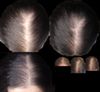
A 104 year old man's impressive head of hair and speculations about how he has been able to maintain it; treatments such as minoxidil, finasteride, RU58841, dutasteride, 5-AR blockers, and other supplements are discussed.
A user's scalp issue that may be causing their hair loss and potential treatments, such as salicylic acid, finasteride, minoxidil, ketoconazole shampoo, and visiting a dermatologist.
The conversation is about seeking non-medication hair loss treatments that don't affect fertility. Suggestions include microneedling and ketoconazole shampoo.
A 35-year-old has been using finasteride and minoxidil foam for 6 years with good results but is considering switching to dutasteride due to concerns about crown thinning. They are seeking advice on whether switching to dutasteride helped others and if it caused any side effects.
A 23-year-old is considering starting a prescribed treatment for hair loss, which includes Dutasteride, oral Minoxidil, topical Finasteride with Minoxidil, and Ketoconazole shampoo. They are concerned about the potential impact on future fertility and whether to start with Dutasteride or try Finasteride first.
The user is considering simplifying their post-hair transplant regimen, which currently includes oral finasteride, topical minoxidil, and has topical finasteride and dutasteride available but unused. They seek advice on whether to maintain or adjust their treatment plan to achieve the minimum effective treatment.
The user shared their hair loss treatment progress using topical minoxidil, oral finasteride, derma stamping, and ketoconazole shampoo, noting improvements after switching back to a previous minoxidil brand. They are satisfied with the results and considering a hair transplant in the future.
A 25-year-old male has been using topical finasteride (0.1%) and minoxidil (5%) for almost two years with no visible improvement but stable hair loss. Suggestions include switching to oral finasteride and minoxidil, considering stronger treatments like dutasteride, and consulting a doctor for personalized advice.
The user is experiencing significant hair shedding despite using 1.25mg oral minoxidil and 1mg finasteride daily for a year. They are advised to monitor health factors like vitamin levels and heart health, and consider increasing ferritin levels for optimal hair growth.
The user experienced significant hair regrowth using 1mg finasteride and 2mg minoxidil daily, along with Nizoral shampoo and rosemary oil. They are curious about further improving hair density and whether increasing the minoxidil dose would help.
A user shared their hair loss journey, starting treatments with topical minoxidil and finasteride at 17, and later adding oral versions and dutasteride by age 20, but still experiencing hair loss. Others suggested that the treatments have likely slowed the progression, and some recommended considering a hair transplant or adjusting medication, while expressing concerns about the potential side effects of starting such treatments at a young age.
A 41-year-old male has been using a combination of treatments for hair regrowth, including finasteride, minoxidil, a laser cap, ketoconazole shampoo, and rosemary oil, with some progress noted. He is maintaining his current regimen in hopes of a future miracle drug while considering hair transplants and other treatments like dutasteride and copper peptides.
A 24-year-old male is experiencing a receding hairline and is advised to use topical minoxidil for hair regrowth, while being cautious about finasteride due to potential side effects. Adding ketoconazole shampoo is suggested for scalp health, and consistent use of minoxidil is recommended for noticeable results in 3-6 months.
The user experienced increased sex drive and financial cost after 2.5 months on Dutasteride and 5% topical Minoxidil. They advise starting treatment early to prevent hair loss and mention that side effects are minimal, with Dutasteride having a longer-lasting presence in the system compared to Finasteride.
A user successfully regrew hair using oral finasteride (1mg daily for 3 years) and topical minoxidil (5% twice daily for 15 years) with no side effects. They highlighted the importance of consistency and patience, crediting finasteride for significant hair improvement.
The user is pausing finasteride for blood donation and is concerned about its effect on DHT levels. They plan to supplement with saw palmetto and pumpkin seed oil during the pause.
A 25-year-old male with seborrheic dermatitis and hair thinning seeks advice on the severity of his condition and treatment options. Oral finasteride and oral minoxidil are recommended as the most effective long-term treatments.
The user experienced long-term pain after an FUE hair transplant and is considering Kenacort injections for relief. They also reported brain fog, dizziness, and anxiety after stopping minoxidil and finasteride, and are currently using PRP, microneedling, and rosemary oil for hair maintenance.
The conversation discusses hair loss treatments, with a focus on PRP, which is viewed skeptically. Minoxidil and finasteride are recommended as more effective options.
The user shared their 3-month progress using 5% topical minoxidil and microneedling with a 1mm dermaroller, noting significant hair growth without using finasteride. They applied minoxidil twice daily and used the dermaroller three times a week, experiencing a short shedding phase after 2-3 weeks.
The user experienced significant hair regrowth using 5mg oral Minoxidil and 0.5mg oral Dutasteride daily, with no side effects except increased body and eyebrow hair. They are concerned about progress plateauing but have not experienced shedding.
PP405 is progressing rapidly through trials, with mixed opinions on its potential effectiveness. Current treatments like minoxidil and finasteride are still widely discussed, with some users reporting positive results from new formulations.
A 35-year-old man had a 6400 graft hair transplant in Turkey after years of baldness, using finasteride, oral and topical minoxidil, and scalp micropigmentation. He is satisfied with the progress and plans further SMP touch-ups to enhance results.
A user shared their 75-day progress using oral minoxidil, finasteride, ketoconazole shampoo, and dermastamping for retrograde alopecia, reporting significant improvement and increased body hair without side effects. They also discussed quitting smoking and the potential correlation between early beard growth and male pattern baldness.
The conversation discusses skepticism towards unconventional hair loss remedies, emphasizing the effectiveness of proven treatments like oral DHT blockers, topical minoxidil, and finasteride. It criticizes misleading advice and highlights the importance of starting effective treatments early.
A 24-year-old is considering a hair transplant but is hesitant due to cost and finding his shaved head looks better than expected. He plans to try finasteride to improve hair density after unsuccessful attempts with minoxidil and dutasteride.
The user experienced significant hair regrowth and increased density after six months of using oral minoxidil and finasteride chewables, despite going through a secondary shedding phase. The only side effect mentioned was restlessness, and the user feels healthier overall.
A user shared their positive experience with MoriTint, a Korean scalp micro pigmentation technique that enhances the appearance of hair density without being permanent. They now offer this service in Los Angeles and emphasize its benefits for those with thinning hair, while clarifying it is not suitable for those with significant hair loss or baldness.