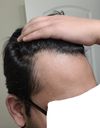
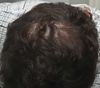
User had a hair transplant and used a finasteride and minoxidil spray for 6 months with no results. After adding finasteride tablets for 1 month, they saw significant hair growth improvement.
Scalp biopsies are crucial for diagnosing hair loss conditions like Diffuse Unpatterned Alopecia (DUPA) and retrograde hair loss, as treatments like finasteride and dutasteride may not be effective if other conditions are present. Combining PPAR-GAMMA agonists with retinoids could improve treatments for conditions like Lichen Planopilaris.
Finasteride can impact neurosteroids, potentially causing depression and other side effects in some users. Despite these concerns, many continue using it for hair loss, with some switching to topical applications to mitigate side effects.
The conversation discusses preferences for hair loss treatments, specifically finasteride over dutasteride. Users share personal experiences, cost considerations, FDA approval status, and potential side effects, with some switching between treatments to find what works best for them.
A user shared a success story showing hair regrowth over 10 years, attributing it to quitting creatine and taking 0.5mg finasteride. Some commenters were skeptical about creatine's impact, while others inquired about side effects, and the original poster reported no negative effects from finasteride.
A user shared their experience of hair loss progression after one year on dutasteride, expressing disappointment with no improvement and considering other treatments like RU58841. Other users offered mixed responses, some seeing no change, others suggesting the hair loss might have been worse without treatment, and discussing the role of testosterone and DHT in hair loss.
The conversation is about hair loss treatments, specifically Minoxidil (Min) and Finasteride (Fin). The original poster is considering using Min and other treatments but is hesitant about Fin, while the responses vary, with some advocating for early use of Fin and others warning about potential side effects.
KX-826/pyrilutamide is undergoing an additional one-year safety and efficacy trial in China after a six-month study. Some participants speculate on the reasons for the extended trial and discuss the potential of other treatments.
Finasteride, a medication for hair loss that has both positive and negative effects. Users discussed their own personal experiences with the drug as well as potential side-effects of taking it, such as erectile dysfunction or gynecomastia. Suggestions were also made about starting at a lower dosage to minimize these risks.
A user had a disappointing dermatologist appointment where they were denied prescriptions for Dutasteride and oral Minoxidil for hair loss and were only offered a hair transplant referral. Other users sympathized, discussed self-medication, and suggested consulting a transplant doctor for up-to-date treatments.
User on fin, minox, and ketoconazole seeks to add another topical anti-androgen. Hierarchy of effectiveness: 1. RU55841, 2. Fluridil - Eucapil, 3. CB-03-01 - Breezula, 4. Ketoconazole; alfatradiol suggested as addition.
Pyrilutamide Phase 3 approved, starting early 2022 with 416 subjects for 24 weeks. Drug potentially better than RU and Breezula, with some users reporting no side effects.
User shared 1-year progress using finasteride 1mg and minoxidil, regaining hair density. Others praised the improvement and asked about side effects and additional treatments.
Potential side effects of 5AR inhibitors like finasteride and dutasteride. Users debate risks, benefits, and personal experiences with these hair loss treatments.
Topical Dutasteride may halt hair loss and effectively treat androgenic alopecia. Combining low-dose oral Dutasteride with topical application could maximize regrowth and minimize side effects.
The availability of Topical Dutasteride, a potential treatment for hair loss, which can be purchased without prescription from MinoxidilMax. Other treatments discussed include Topical Finasteride and PRP injections, with discussion around dosage, efficacy, side-effects and safety.
Hair loss treatments like finasteride, minoxidil, ketoconazole, PRP, and microneedling helped maintain hair for 20 years. Research and try evidence-based treatments for best results.
A user who underwent a hair transplant in Istanbul to reduce balding, and the discussion of various treatments such as finasteride and growth hormone for preventing further hair loss.
The effects of Finasteride, a drug used to treat hair loss, prostate problems and other conditions. The post by iaskedadoctor describes the conversations they had with a Urologist about the effects of the drug on DHT levels throughout the body, how lower doses are beneficial in reducing side effects, how erectile dysfunction can be psychological as well as physiological, how morning erections are not necessarily important, and how persistent side effects appear to be rare. People also shared their experiences with taking Finasteride for hair loss, including potential side effects such as reduced ejaculate force and development of man boobs.
Fighting hair loss with "The Big 3" treatments of Propecia, Rogaine and Nizoral shampoo, as well as specific advice on how to use these products. People have shared their long-term success stories and some have discussed the side effects of finasteride. Other suggestions included Lipogaine and Pura D'or Hair Loss Prevention Therapy Shampoo & Conditioner.
The user is considering starting topical minoxidil to address a receding hairline and mild dandruff. They are seeking advice on potential effects and side effects of the treatment.
A 25-year-old male is experiencing hair thinning at the hairline and vertex, considering using a dermapen or dermastamp, and seeking advice on whether to continue with natural remedies like onion juice and rosemary oil or start using minoxidil or finasteride. He is also looking for recommendations on microneedling devices.
A 15-year-old is concerned about hair loss, possibly at Norwood 2 or 3, and is using shampoos and conditioners recommended by a trichologist. Suggestions include considering topical minoxidil and consulting a doctor about topical anti-DHT treatments like finasteride or RU58841, but avoiding 5-alpha-reductase inhibitors at this age.
Creatine may cause hair loss in some individuals, especially those on finasteride, despite no scientific link. Personal experiences suggest individual sensitivity to DHT could be a factor.
The user has been using a hair loss treatment including oral Minoxidil, topical Minoxidil with Tretinoin and Finasteride, and is considering adding Dutasteride but is concerned about the potential side effects and risks regarding fertility. A reply suggests that having children while on these medications should be fine, advising to avoid letting the partner come into contact with the drugs.
Microneedling may risk scarring, potentially complicating future hair transplants. Alternatives like tretinoin with minoxidil are suggested for better hair growth.
The user is considering switching from Finasteride to Dutasteride for better hair regrowth, despite concerns about potential shedding and side effects. Opinions vary, with some suggesting the switch for stronger results and others advising caution due to possible side effects and the importance of consulting a doctor.
Finasteride may pose a risk during pregnancy, so using a condom is recommended if a partner is pregnant. It is advised to stop finasteride before trying to conceive due to potential effects on fetal development.
Finasteride is not linked to a 60% risk of persistent sexual dysfunction; this figure applies only to those already experiencing sexual issues. Most users do not have side effects, and the study's methodology is criticized for selection bias.