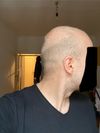
A human trial of verteporfin, a potential treatment for hair loss, with some users noting potential improvements in scarring and overall healing compared to control areas.
The user had a hairtransplant and is using oral minoxidil and finasteride but seeks advice for treating the crown area. They are looking for additional recommendations for non-transplanted areas.
A user shared their successful hair regrowth journey using oral minoxidil, dutasteride, and eucapil, with additional benefits from MTF hormone replacement therapy. They advised consulting specialists and considering individual responses to treatments.
The conversation discusses hair loss treatment progress 11 weeks after a crown transplant. The user is using minoxidil every two days and biotin daily, without finasteride.
The user has been using topical minoxidil and finasteride for 5 months and is considering a hairtransplant to improve hair density. They are also using a 0.5mm dermaroller once a week.
The user is 6 months post-hairtransplant and uses finasteride, oral and topical minoxidil, along with supplements like omega-3, vitamin D3, and zinc. They are experiencing significant shedding and seek advice on whether the medications are effective and if the shedding will settle.
User "hairplsrn" shares their hair loss journey, trying various treatments like finasteride, minoxidil, and dutasteride, but experiencing worsening hair loss. They decide to get a partial frontal hair system and continue medication, while others offer support and advice on staying on medication and focusing on overall confidence.
PP405 cannot restore extracted hair follicles after a transplant as they are removed, not dormant. Combining verteporphin with wounding and PP405 is suggested but not confirmed effective.
A user shared their daily hair loss treatment routine, which includes 1mg of oral finasteride, 1mg of oral minoxidil, 1ml of castor oil, biotin, collagen, multivitamins, zinc, magnesium, liver supplements, RU58841 every night, and ketoconazole shampoo twice a week. They also mentioned a healthy lifestyle and a past unsuccessful hairtransplant, but have experienced hair regrowth and thickening since starting their current regimen.
A 28-year-old male shares his 12-step hair regrowth routine, including finasteride, minoxidil, RU58841, LLLT, dermarolling, various shampoos, supplements, and a healthy diet. He seeks advice on microneedling frequency and mentions experiencing lowered libido and occasional scalp inflammation.
A 29-year-old man used oral Minoxidil and Dutasteride for hair loss, seeing significant regrowth, especially in the crown area, but plans a hairtransplant for the temples. Users suggest waiting longer before a hairtransplant and trying additional treatments like microneedling and topical Minoxidil.
A 21-year-old is experiencing aggressive hair loss despite using minoxidil, dutasteride, and GFC, and is seeking advice on whether to switch treatments or consider a hairtransplant. Suggestions include continuing current treatments, checking for underlying health issues, and considering alternatives like RU58841 or microneedling.
A 24-year-old male has been struggling with hair loss since 2020, trying treatments like minoxidil, finasteride, dutasteride, PRP, vitamins, proteins, and exosomes, but hasn't seen significant improvement. He is considering a hairtransplant due to the lack of results from these treatments.
The user has been using oral finasteride, oral and topical minoxidil, RU58841, and microneedling to treat hair loss, with recent additions of oral dutasteride, GHK-Cu serum, and increased microneedling. They report visible thickening and new hair growth, expecting significant improvement by next June.
Hair loss discussion mentions ineffective treatments like Nutrafol and low-level laser therapy sold by transplant clinics. Trust in hair restoration doctors questioned due to promoting these treatments.
OP is using 0.5 mg Dutasteride and 2.5 mg oral Minoxidil for hair loss and considering a hairtransplant. Most users suggest waiting 1-2 years to maximize results from the medication before opting for a transplant.
The conversation discusses various theories of hair loss, including DHT sensitivity and genetic factors, with the user willing to use themselves for research due to having a hair loss gene but different hair loss patterns compared to their brothers. Specific treatments were not mentioned in the provided text.
The user experienced significant hair regrowth using finasteride, minoxidil, and microneedling, with plans to continue treatment. They are pleased with the results, noting increased hair density and a restored hairline.
Mohamed Salah's hair transformation, possibly involving a hairtransplant, has improved his appearance. There is discussion about using finasteride and hair fibers for hair maintenance.
The user's hair regrowth plan includes topical treatments (RU58841, azelaic acid, ketoconazole), oral supplements (Gia Herbs, castor oil), microneedling, PTD-DBM peptide with valproic acid, red light therapy, inversion table with scalp massage, and platelet-rich fibrin injections. Commenters suggest that finasteride and minoxidil are essential treatments for male pattern hair loss, which are missing from the plan.
Minoxidil and finasteride are effective for hair loss, especially when used together. Microneedling may enhance minoxidil's effects, but its standalone effectiveness is uncertain.
Exploring the potential of using verteporfin during hairtransplants to minimize scarring and regenerate follicles, as well as discussing a possible standardized protocol for this treatment.
Swelling after a hairtransplant is normal and can be reduced with ice packs, head elevation, and possibly corticosteroids. The user had a no-shave FUE procedure and is using oral finasteride and minoxidil.
The user is 13 months post-hairtransplant and is using 1 mg finasteride and 2.5 mg oral minoxidil. They are seeking opinions on their crown's appearance, considering switching treatments, and contemplating a second transplant due to concerns about hair density and stability.
Oral minoxidil, finasteride, and dutasteride are being used to treat hair loss, but results are limited, leading to consideration of a hairtransplant. The user plans to continue medication for another year before deciding on further action.
The user has been using Dutasteride for over a year for hair loss and is considering a hairtransplant if it doesn't work. Suggestions include adding Minoxidil and microneedling, but some advise against a transplant as the current treatment seems effective.
User has been using minoxidil for 5 years and recently started finasteride, 2% nizoral shampoo, low light level laser helmet, microneedling, and biotin supplement to prepare for a hairtransplant. Another user suggests it's not too much and mentions additional treatments like dutasteride, oral min, RU, and pyrilutamide.
The user is experiencing hairline recession and plans to use minoxidil, finasteride, and biotin for a year, considering a hairtransplant if needed. They seek advice on their treatment plan and additional ways to support hair growth.
A user shared their 4-month hair restoration progress using minoxidil with finasteride, oral finasteride, and micro needling. The community responded positively, praising the results and the user's happy demeanor in photos.
A dermatologist recommended PRP (Platelet Rich Plasma) and GFC (Growth Factor Concentrate) for pattern baldness, but online sources suggest they may not be effective. The user is seeking opinions on these treatments.