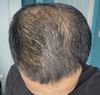
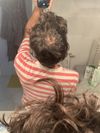
User experienced hair thickening and slight regrowth using RU58841, Fin, DUT, and Minoxidil. They plan to get a hairtransplant in Turkey for further improvement.
After a hairtransplant, it's advised to stop using RU58841 and minoxidil to avoid irritation, resuming them 25-30 days post-surgery if the scalp is healed. The user is currently using finasteride, minoxidil, and RU58841, but there are concerns about the safety and efficacy of RU58841 in humans.
Hair loss concerns and treatments like Minoxidil and Finasteride are humorously discussed. The community's quirks and dedication to battling hair loss are highlighted.
A user shared their positive experience with a 2000 graft FUE hairtransplant by Dr. Ko in Korea, costing $5.4K USD, and expressed satisfaction with the results. Some users praised the outcome, while others criticized the hairline's appearance and technique.
Finasteride and minoxidil are recommended as first-line treatments for hair loss, with dutasteride and oral minoxidil as stronger options if needed. Hairtransplants should only be considered after achieving stability with medication, and non-surgical options are suggested if medications are ineffective.
A user discusses a company, Roots by Genetic Arts, that offers a genetic test for hair loss to create personalized treatments, and is curious about its legitimacy and the science behind it. The company tests 16 genes related to hair loss and compounds a topical treatment based on the results.
A 20-year-old with aggressive hair loss is using oral minoxidil and finasteride, considering a buzz cut to manage appearance. Most suggest a buzz cut or shaving, recommending patience with medication and possibly trying RU58841 or dutasteride.
A user shared their 1-year crown transformation after a second hairtransplant with 4000 grafts, using finasteride, minoxidil, and vitamins. Another user commented that while the crown has filled in, they expected more coverage from 4000 grafts and suggested a possible shedding phase.
A user shared their hair transformation over four months using daily 2.5mg oral minoxidil, every other day 1mg oral finasteride, weekly dermastamping, and daily scalp massages, with plans for a hairtransplant. Another user suggested continuing the medication for a year before considering a transplant.
The user is concerned about post-hairtransplant care, specifically regarding the use of a bandana, minoxidil, and tretinoin. They are advised to consider finasteride and possibly adjust the minoxidil dosage.
The user had a hairtransplant at Vera Clinic Istanbul and is using 1mg Finasteride six times a week, 0.5mg Dutasteride once a week, and topical Minoxidil daily. They wash out the Minoxidil each morning and are happy with the results, noting the importance of medication to prevent further hair loss.
The user feels treated better with a comb-over than when bald due to cancer. They are considering a hairtransplant and using finasteride and minoxidil for hair loss.
Methods of treating hair loss, such as using Minoxidil and Finasteride, as well as the potential use of RU58841. People have shared their experiences with these treatments, discussing the success of them in aiding hair growth.
A 43-year-old with a history of hairtransplants and long-term finasteride use reports seeing hair regrowth after adding oral minoxidil, micro-needling, and resuming topical minoxidil. Users agree that the hair appears thicker and denser.
Tressless GPT is now free and accessible for hair loss advice. Treatments discussed include Minoxidil, finasteride, RU58841, dutasteride mesotherapy, topical melatonin, microneedling, and rapamycin.
The user reported significant hair regrowth after 8.5 months using Minoxidil, Finasteride, and initially Biotin, with a 50% reduction in the balding crown area. They are considering either a hairtransplant for further improvement or embracing a bald look, feeling confident they could pull it off.
A human trial of verteporfin, a potential treatment for hair loss, with some users noting potential improvements in scarring and overall healing compared to control areas.
This conversation discusses the advancements in treatments for hair loss, including finasteride, dutasteride, minoxidil and new promising treatments such as pyrilutamide and verteporfin. Other treatments discussed were taking minoxidil orally, tretinoin to turn non-responders into responders and microneedling to further boost growth.
A user shared their experience 7.5 months after receiving 3950 hair grafts at Sule HairTransplant in Istanbul, Turkey, with positive feedback on the transformation. The discussion included costs, recovery time, and the use of medications like finasteride and minoxidil post-transplant.
Hair loss treatments discussed include promising Pyr available online and Verteporfin dosing after FUE for follicle regeneration, but no updates on SCUBE3.
The conversation discusses dissatisfaction with current hair loss treatments that mainly focus on DHT blockers like finasteride and dutasteride. Alternative treatments mentioned include RU58841, pyrilutamide, minoxidil, rosemary oil, and future possibilities like hair cloning.
The user has been using oral finasteride, oral and topical minoxidil, RU58841, and microneedling to treat hair loss, with recent additions of oral dutasteride, GHK-Cu serum, and increased microneedling. They report visible thickening and new hair growth, expecting significant improvement by next June.
The user has been using dutasteride, minoxidil with tretinoin, and ketoconazole shampoo for hair loss but hasn't seen improvement in temple areas. Suggestions include trying microneedling with minoxidil or considering a hairtransplant, though temple transplants can be challenging.
The user successfully regrew hair using Finasteride, Minoxidil, and microneedling, achieving thicker hair and a fuller hairline. They recommend this method over hairtransplants, highlighting the importance of patience and consistency.
A 21-year-old shared his successful hair recovery journey using topical Minoxidil and Finasteride, along with derma rolling, a high-protein diet, regular exercise, and ketoconazole shampoo. He reported significant hair regrowth over 1.5 years, attributing his success to consistent use of these treatments.
The user had a hairtransplant and is asking when they can resume microneedling their forehead, which they did previously once a week with positive results on their crown. They are currently on a treatment regimen that includes oral finasteride, oral and topical minoxidil, ketoconazole shampoo, and black castor oil for moisturizing.
Current treatments for hair loss include finasteride, minoxidil, and derma rolling. New treatments like Breezula, PP405, and others are not expected until at least 2027 or later.
A user shared their experience with hairtransplant scab removal, noting that most scabs came off easily without bleeding by using oil and shampoo. They sought advice on whether any hair was lost during the process, and others reassured them that no hair was lost and to trust the healing process.