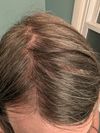
The conversation discusses the appearance of hairtransplants immediately after surgery, noting that scars will be covered as hair grows. The original poster underwent both FUT and FUE procedures.
HairClone is developing cell replacement treatments to rejuvenate and generate hair follicles, and has launched a crowdfunding campaign. A user expressed skepticism about the need for crowdfunding.
Hair cloning is discussed as a potential future solution for hair loss, but it's not expected to be available soon due to high costs and technical challenges. Current treatments like Minoxidil, finasteride, and RU58841 are not mentioned in this conversation.
A 26-year-old male considering a hairtransplant is using topical finasteride and minoxidil, planning to start feminizing hormone replacement therapy (HRT) with estrogen and spironolactone. Many suggest waiting to see the effects of HRT, which may significantly regrow hair, before deciding on a transplant, and recommend adding microneedling and possibly switching to oral treatments for better results.
Selecting a hairtransplant clinic requires avoiding pitfalls like prioritizing quantity over quality and aggressive sales tactics. Ensure the clinic uses experienced surgeons and recommends treatments like minoxidil and finasteride before a transplant.
Baldness is difficult to cure because current treatments like finasteride, dutasteride, and minoxidil only prevent hair shedding, and new developments are mostly ineffective. Botox shows potential in aiding skin regeneration and hair growth, but maintenance therapy with treatments like dutasteride and minoxidil may still be necessary.
A user shared their 12-month progress after a 3500-graft hairtransplant at Heva Clinic in Istanbul, choosing not to use minoxidil or finasteride. The results were praised, with comments noting the natural look and significant improvement.
The user has been using a hair loss treatment protocol including topical dutasteride, minoxidil with tretinoin, ketoconazole shampoo, microneedling, a laser cap, and vitamin D for 15 weeks, showing impressive progress. Feedback suggests continuing medical therapy for 12-24 months before considering a hairtransplant.
A bodybuilder's hairtransplant appears unnatural with a straight hairline and low density, possibly worsened by not using finasteride. The Turkish clinic is criticized for poor design, and the transplant may have been free for promotion.
A user underwent a successful hairtransplant with Dr. Linkov, receiving 2612 grafts, after stabilizing hair loss with finasteride and minoxidil. Fourteen months post-procedure, the user is extremely satisfied with the results, feeling more confident and looking younger.
The user started on Finasteride, switched to Dutasteride, and is considering microneedling but was advised against it by their hair surgeon due to potential scalp issues affecting a planned hairtransplant. Other users suggest alternatives like Minoxidil, PRP, and avoiding microneedling due to the risk of scar tissue impacting transplant results.
A user discussing their hairtransplant progress at 8 months, expressing concern about lack of growth in the front. They're currently using Minoxidil and dutasteride, and considering microneedling. The responses suggest waiting for full growth, which can take up to 13-14 months.
A user's successful hairtransplant, with some people questioning the donor area regrowth, and others speculating that hair fibre may have been used to help fill in areas.
A 35-year-old man shared his hairtransplant experience in Tijuana, Mexico, choosing Artline for 5,000 grafts at a lower cost than U.S. clinics. He plans to use topical minoxidil and possibly microneedling for better results.
The user discusses their experience with hair loss despite taking estrogen and cyproterone, and estimates needing around 3000 grafts for a feminine hairline. They are considering getting the procedure done in Turkey due to high European costs.
A user shared their 12-month hairtransplant results, discussing the use of treatments like finasteride, dutasteride, and minoxidil. The conversation includes recommendations and concerns about transplant methods and locations, particularly in Turkey.
A user shared a 12-month update on their hairtransplant, which involved 5700 DHI grafts and cost ยฃ4500 at Cosmedica. They also dyed their hair and beard, and users praised the impressive results, suggesting finasteride or dutasteride to prevent further hair loss.
The conversation discusses hair loss treatments, including Minoxidil, finasteride, and RU58841. It also mentions ongoing human trials for hair multiplication/cloning at Yokohama National University, with skepticism about the timeline.
The conversation discusses a hair loss treatment involving a hairtransplant of approximately 2500 grafts to the frontal area, daily use of finasteride, twice-daily topical minoxidil, and daily caffeine shampoo since the hairtransplant procedure. One person is skeptical about the improvement in the crown area with just finasteride and minoxidil.
A user shared their experience with a 7600 graft hairtransplant using scalp, beard, and chest hair over three procedures, expressing satisfaction with the results despite mixed feedback. They also used finasteride to thicken hair and considered scalp micropigmentation for further improvement.
A user shared their experience with hair loss, initially using finasteride and minoxidil without satisfactory results, and later switching to hair systems, which they plan to use indefinitely. The user and others discussed the positive reactions, maintenance, and normalization of hair systems for men.
A user shared their positive experience with Trichogenics for hair restoration, highlighting their unique zigzag hairline technique and personalized attention. They had 1700 follicles transplanted and praised the natural results.
A 40-year-old considering a hairtransplant after using finasteride and oral minoxidil for hair maintenance. They have maintained hair well with these treatments and seek opinions on whether a transplant would improve their appearance.
Hair cloning is seen as a distant and potentially less relevant solution for hair loss due to its high cost, invasiveness, and the advancement of other treatments like Minoxidil and finasteride. Many believe that by the time hair cloning becomes viable, other less invasive and more effective treatments will be available.
L'Oreal is working on hair cloning, with multiple companies using similar techniques, making hair cloning likely by 2030. The conversation expresses optimism about the progress and potential affordability of hair cloning solutions.
A user underwent a 3750 graft hairtransplant in Turkey, initially promised 4500 grafts, and is satisfied with the results despite some concerns about donor site size and crown coverage. The user has been on medications like finasteride and minoxidil for about four months and may consider a second transplant in the future.
A 21-year-old is experiencing significant hair loss and considering treatments like dutasteride, minoxidil, and possibly a hairtransplant. Others share their experiences with finasteride, scalp micropigmentation, and hairtransplants, discussing the emotional impact and offering support.
A user shared their experience with two hairtransplants in Istanbul, highlighting the importance of choosing clinics with a low doctor-to-patient ratio, ISHRS membership, thorough consultations, and reliable aftercare. They emphasized the significance of PRP shots post-procedure and advised careful selection of clinics, especially for crown procedures, due to limited donor area opportunities.
Hair loss treatments are difficult because hair follicles react differently to hormones and have varying growth cycles. Treatments mentioned include Minoxidil, finasteride, and RU58841.
Hair multiplication or cloning is not available anywhere in the world. The conversation also mentions treatments like Minoxidil, finasteride, and RU58841 for hair loss.