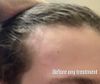
The user is experiencing severe hair shedding after using RU58841, stemoxydine, and minoxidil, and has stopped using finasteride due to side effects. They hope the shedding is temporary and will lead to regrowth.
A user discusses fighting hair loss without finasteride, using minoxidil, ketoconazole shampoo, saw palmetto, pumpkin seed oil, pygeum, stinging nettles, biotin, a boar bristle brush, and a derma roller. Replies suggest finasteride is necessary for effective hair loss prevention.
A user with PCOS experienced hair loss and found success using a triple dose of O.N.E Omega by Pure Encapsulations after discovering low Omega fatty acids. Biotin provided minimal improvement, but the Omega supplement significantly restored hair.
A 34 year old female with androgenic alopecia who has tried treatments such as Spironolactone, Desogen, Minoxidil and Finasteride in order to address her hair loss. It also details the experiences of other women taking Spironolactone for Female Pattern Hair Loss (FPHL).
A user reported noticeable hair regrowth using a 272 diode red light therapy hat over 11 months without Minoxidil or Finasteride. Opinions vary on its effectiveness compared to traditional treatments, with some suggesting combining therapies for better results.
A user shared their 11-month experience using a 272 diode red light hat for hair loss, noting decent results despite inconsistent use and no medication. Another user suggested that real treatment like minoxidil or finasteride is necessary for long-term hair maintenance.
A new hair loss protocol using FDA-approved topical treatments targets eight pathways, potentially improving results by 60-75% compared to the standard 40-50% from oral minoxidil and finasteride. The protocol includes minoxidil, finasteride, tacrolimus, cetirizine, bimatoprost, lithium gluconate, losartan, melatonin, NAC, caffeine, and tretinoin, with a monthly cost of $35-50 in Mexico and $80-150 in the US.
The user started dutasteride and oral minoxidil but saw no improvement in crown hair regrowth. Users suggest increasing the minoxidil dose and seeking a second opinion.
A 27-year-old male has been using oral minoxidil and topical finasteride for 3 months, noticing fuller, thicker hair with no side effects. Users discuss the effectiveness and side effects of oral versus topical treatments, with some recommending higher doses or additional treatments like topical minoxidil.
A 22-year-old is experiencing hairline recession after switching from topical to oral finasteride, despite using minoxidil. They are considering returning to topical finasteride or trying dutasteride for better results.
Users discussed using lower doses of finasteride and minoxidil for hair loss. Some experienced side effects like arrhythmia, while others reported slowed hair thinning but not complete prevention.
A user shared their experience with a hair transplant surgery in India, involving 3,500 grafts, and expressed satisfaction with the results and cost. The post received mixed reactions, with some users questioning the authenticity of the graft count and results, while others praised the outcome.
Combining minoxidil with tretinoin appears to enhance hair growth for some users, with several reporting better results than using minoxidil alone. Some users also incorporate other treatments like dutasteride, latanoprost, and microneedling for improved outcomes.
The user experienced hair improvement using minoxidil, microneedling, and finasteride, with noticeable progress at the temples. They attribute most gains to minoxidil and plan to continue treatments, noting no significant side effects except increased libido.
The user is happy with hair regrowth after using Minoxidil foam, Finasteride, and Nizoral shampoo. Some users doubt the authenticity of the results, while others share their own experiences with hair loss treatments.
Scientists at UCLA have developed a promising treatment for male pattern baldness using a molecule called PP405, which can potentially stimulate dormant hair follicles. Initial trials showed significant results within a week, but larger clinical trials are needed to confirm its efficacy and safety.
The conversation humorously discusses an extensive and exaggerated hair loss treatment regimen, including finasteride, dutasteride, minoxidil, pyrilutamide, RU58841, and various other therapies. Despite the numerous treatments, the effectiveness is questioned, and the user humorously considers adding more minoxidil.
Hair loss treatments like finasteride, minoxidil, and RU58841 are becoming more known, but many remain unaware of their effectiveness. There is hope for future advancements despite skepticism and misconceptions about current treatments.
The user experienced positive hair growth results using oral minoxidil and finasteride initially, then switched to dutasteride and higher-dose minoxidil. They plan to try topical minoxidil foam to improve the crown area and reported increased libido with dutasteride.
A 30-year-old male saw significant hair regrowth after 8 months using minoxidil, finasteride, microneedling, and Nizoral shampoo. He experienced no side effects from finasteride and credited his success to this regimen.
A user is considering exosome therapy from Springs Rejuvenation for hair loss after unsuccessful attempts with PRP, adipose injections, and a laser cap. They are intrigued by the therapy's potential and the clinic's guarantee of 30% improved coverage, despite concerns about FDA approval and high-pressure sales tactics.
A user shared progress pictures after 11 months on finasteride and minoxidil, with intermittent microneedling. The community responded positively, noting significant hair regrowth and encouraging continued treatment.
The user added microneedling to their routine of minoxidil and finasteride, resulting in noticeable hair regrowth after three months. They shared photos showing significant improvement.
A user is seeing good results with RU58841 for hair loss, noting reduced shedding and thicker hair. They plan to use pumpkin seed oil as a solvent to avoid water content, which they believe reduces the effectiveness of anti-androgens.
A user shared progress pictures after 10 months on finasteride and 7 months using minoxidil, noting some hair shedding. Their routine includes oral finasteride, topical minoxidil, red light therapy, rosemary mint shampoo, and dermarolling.
A user has been using a topical hair loss treatment with finasteride, minoxidil, and tretinoin for 4 years without satisfactory results and is considering switching to a different product due to concerns about effectiveness and company reliability. They are seeking others' experiences with Strut and alternative products before making a change.
The conversation discusses whether creatine causes hair loss for those using finasteride or dutasteride, with some suggesting creatine might increase DHT or upregulate androgen receptors, potentially leading to hair loss. Others argue the evidence is not conclusive, citing limited studies and personal anecdotes, with some avoiding creatine as a precaution.
The conclusion of the conversation is that the user "lemmeseesomeass" has experienced significant hair regrowth using a combination of RU58841, dutasteride, and minoxidil. They mention that RU58841 is effective but not medically approved. They provide instructions on how they use RU58841.
A user is using minoxidil for hair loss and considering adding finasteride but their dermatologist advised waiting to see if minoxidil works alone. They are thinking about taking saw palmetto (serenoa repens) and biotin as alternatives and are asking for others' experiences and potential side effects.
This user has been using liquid minoxidil twice daily and 1mg finasteride daily, along with Nizoral shampoo twice weekly for 9 months, leading to an impressive result. They plan to buzz the sides and back when they see their barber next.