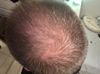
Minoxidil is effective for frontal hair loss, despite packaging suggesting it's for crown thinning. The user has seen results with Minoxidil from a different provider.
A 25-year-old male experiencing hair shedding due to testosterone use is considering topical finasteride or RU58841 for scalp treatment while continuing minoxidil for beard growth. Topical finasteride is suggested to prevent scalp thinning without affecting beard growth.
Minoxidil is effective for hair growth but may not provide lasting results without addressing DHT, which finasteride or dutasteride can help with. Users report mixed experiences with side effects from these treatments, including acne and itching from minoxidil.
The user applied topical 0.1% finasteride and 5% minoxidil, along with weekly microneedling, resulting in significant hair regrowth. The user also lost 10kg through diet and exercise.
The user experienced hair growth in the temples after using 5% topical minoxidil twice daily, oral finasteride 1mg daily, and Nizoral shampoo weekly. They reported no side effects and managed dandruff with a scalp scrubber and Nizoral.
A user is using a compounded hair loss treatment with 5% minoxidil, 0.005% finasteride, and 0.01% tretinoin but is experiencing issues with residue and greasiness. They are inquiring if using the treatment five times a week instead of daily will still be effective.
A 27-year-old man is using a daily routine of 5% Minoxidil spray in the morning and a topical mix of 5% Minoxidil/0.1% Finasteride at night, along with microneedling. He reports significant hair improvement despite ongoing shedding.
A user's progress with hair loss treatments over 5 months, using topical finasteride (0.3%) and minoxidil (6%), as well as weekly microneedling sessions; other users have asked questions about the results and offered compliments.
The user experienced significant hair regrowth and increased confidence after using 0.5mg finasteride daily and 5% minoxidil once daily for five months, with no side effects reported. Other users shared similar experiences, discussing libido changes and considering testosterone replacement therapy (TRT).
Significant hair regrowth was achieved using a topical combination of 0.3% finasteride and 6% minoxidil, with weekly dermastamping and ketoconazole shampoo, without side effects. Others suggested additional treatments like red light therapy and PRP.
This user experienced improvements in their hair density and texture through the use of finasteride (1.25mg) and minoxidil (5%) applied topically once a day over 8 months, with no reported side effects other than slightly lowered libido.
A user's progress with hair loss treatments including minoxidil 5% twice daily, dermaroller 1.5mm, ketoconazole shampoo 2%, and a buzz cut; other users were surprised by the results as no finasteride was included in the treatment plan.
The user has been using topical 0.3% finasteride, 5% minoxidil, and Nizoral for 5 months and is questioning if they are experiencing hair regrowth. The conversation revolves around identifying potential hair regrowth.
The user experienced hair regrowth over four months using 5% topical minoxidil, oral biotin, and saw palmetto. They also use rosemary and mint conditioner and biotin shampoo.
A user shared their experience with Minoxidil 5%, reporting hair regrowth during use but significant hair loss after stopping. They resumed treatment and regained hair, noting that discontinuation leads to rapid hair loss and that scalp dryness was managed with oil.
A 20-year-old user shared progress on hair regrowth after using Minoxidil 5% and 1mg Finasteride for four months, noting improvements in hairline thickness, especially at the temples, with no side effects. The user also started using a derma roller recently and plans to update progress every few months.
The Sons combination spray for hair growth includes 0.15% topical finasteride, 5% minoxidil, and 0.015% tretinoin. Users discuss potential side effects like reduced libido and application methods affecting absorption.
The conversation is about someone switching from a hair loss treatment spray with alcohol and propylene glycol to a serum with essential oils, questioning the absorption and effectiveness of the new product. The spray and serum both contain 0.3% finasteride and 6% minoxidil.
The user is using 5% topical minoxidil, a 0.5mm dermaroller, and keto shampoo for hair loss treatment, showing positive progress after two months. They plan to continue the regimen for maintenance.
A 26-year-old male experiencing hair loss since 2020 is using topical 5% Minoxidil and 2% Ketoconazole shampoo for four months, still experiencing significant shedding. He is considering cutting his hair short and has not yet started DHT blockers like Finasteride or Dutasteride.
A user shared their 90-day progress using a topical gel with 0.25% finasteride and 5% minoxidil, along with derma stamping and Ketoconazole shampoo, noting improved hair density. Another user suggested considering a hair transplant as a priority.
The user shared progress pictures showing significant hair regrowth after three months using 5% foam minoxidil, 0.3% dutasteride, microneedling, pumpkin seed oil, and rosemary oil. The user reported no side effects and chose topical treatments to avoid them.
The user started using 5 mg oral minoxidil and 1 mg finasteride daily, along with microneedling and applying lavender oil, saw palmetto, and pumpkin seed oil to the scalp. They report significant hair regrowth within a few months.
The user experienced significant hair regrowth using a topical solution of minoxidil 5% and finasteride 0.1% over 100 days, with plans to continue for a year before switching to a maintenance dose. Despite skepticism from others about using hair fibers, the user insists on the authenticity of their progress and reports no side effects from the treatment.
The user is using a hair loss treatment with finasteride 0.1%, minoxidil 5%, and tretinoin 0.01%, applied once daily at 1ml. They are questioning if a 60ml bottle used twice daily implies a higher recommended dose despite the same 5% minoxidil concentration.
The user applied topical finasteride 0.3% and minoxidil 6% once daily, used keto shampoo weekly, and derma stamped weekly or biweekly. They noticed hair improvement, possibly due to regrowth or letting it grow longer.
The user started using topical finasteride 0.025% and minoxidil 5% twice daily, seeing initial improvement but later experiencing shedding and scalp pain. They are considering increasing the finasteride dose to 0.05% while using keto shampoo and dermarolling, and are debating the effectiveness of low versus standard doses of finasteride.
A 22-year-old male is using 5% topical minoxidil, microneedling, saw palmetto, and biotin for hair loss with positive results but is considering switching to finasteride. Many users suggest adding finasteride for better long-term results, with some recommending online prescriptions due to local prescription challenges.
The user has been using 5% Minoxidil foam twice daily, microneedling every two weeks, and Nizoral 2% shampoo weekly for hair loss treatment. They've seen improvements in their hairline and eyelashes, and are considering adding finasteride to their regimen.
A 23-year-old male with Norwood 2.5-3 hair loss is considering using a lotion containing 0.3% finasteride and 6% minoxidil spray, as recommended by a dermatologist. He is hesitant about using oral finasteride due to potential long-term side effects.